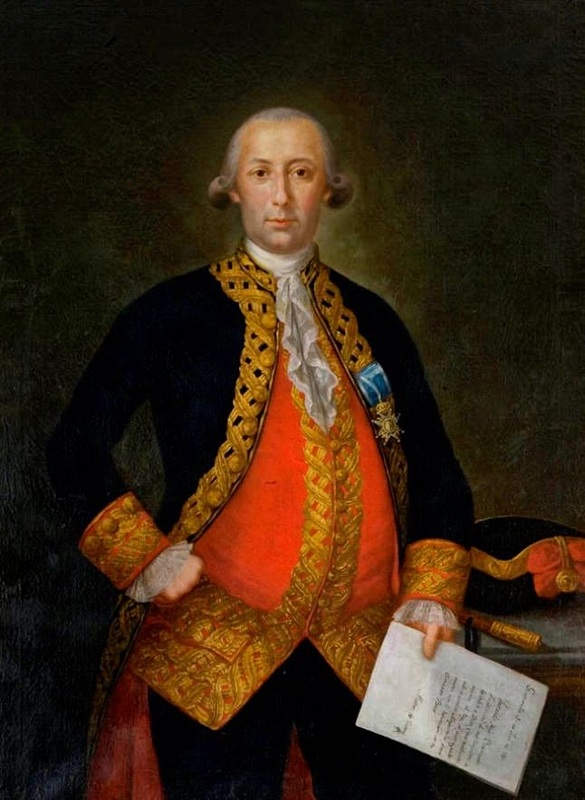
For much of the 18th century, Spain ruled the Louisiana colony while England controlled land at its eastern borders. When Spanish Gov. Bernardo de Galvez took over in 1777, he quietly aided the American colonists fighting the British in the American Revolution by supplying them with arms shipped up the Mississippi River. To fortify Louisiana against any British invasion, Galvez created militias throughout the colony, many staffed by Acadians fresh off the boat from their time in exile by the British and all too ready to fight their former oppressors.
“They (the militias) were on call like the National Guard is today,” said Warren Perrin, Lafayette author, chairman of the Acadian Museum of Louisiana in Erath, and former president of the Council for the Development of French in Louisiana (CODOFIL).
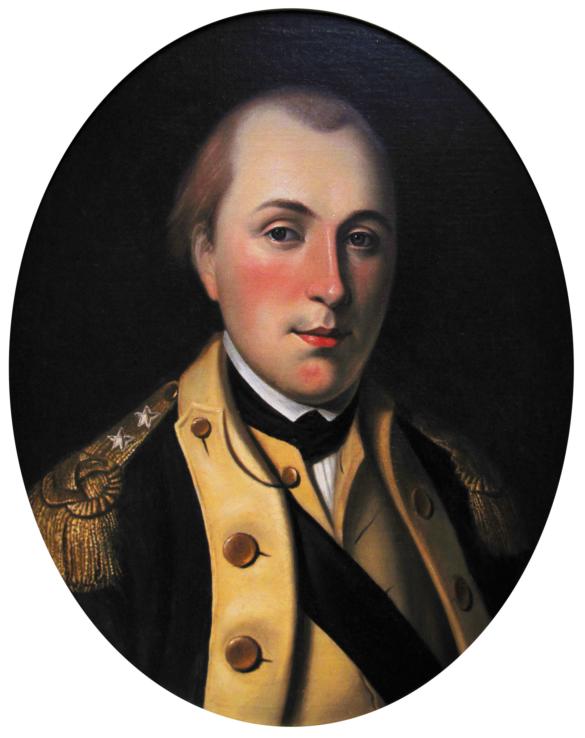
When France joined the Americans in their fight for independence, with the Marquis de Lafayette a prominent American ally and commander with Gen. George Washington, Spain followed suit. On May 8, 1779, Galvez issued a formal declaration of war against Britain, and the following summer, he raised men from his militia and marched on the British forts at Baton Rouge and Manchac.
Among those militia men were patriots from the Attakapas and Opelousas Posts—today the cities of Lafayette and Opelousas and the surrounding areas. These militia included 15 free people of color, 17 enslaved men, and 101 white men, many of whom were Acadians.
“We know the militiamen of Attakapas and Opelousas Posts did follow their general in battle, and won victories in all the engagements,” writes Winston DeVille in “Mississippi Valley Mélange, Vol. Two: A Collection of Notes and Documents for the Genealogy and History of the Province of Louisiana and the Territory of Orleans.”
One of the members of the Attakapas militia was Lafayette founder Jean Mouton who settled in the Attakapas District and joined the post militia before 1777, according to “A Biographical Sketch: Jean Mouton” by Nathanial P. Weston in “Louisiana History: The Journal of the Louisiana Historical Association, Vol. 38.” Mouton donated part of his landholdings for a Catholic Church which initiated the development of what would later become the town of Lafayette, named for the Marquis.
The National Society of the Daughters of the American Revolution (NSDAR) has recognized Mouton as a Revolutionary War Patriot. Although the organization doesn’t know the particulars of his role in the war, they assume that, like his brother Martin Mouton, who was a private in the war, Jean provided cattle and food to feed the troops, according to The Lafayette Museum housed in Mouton’s home, built circa 1800.
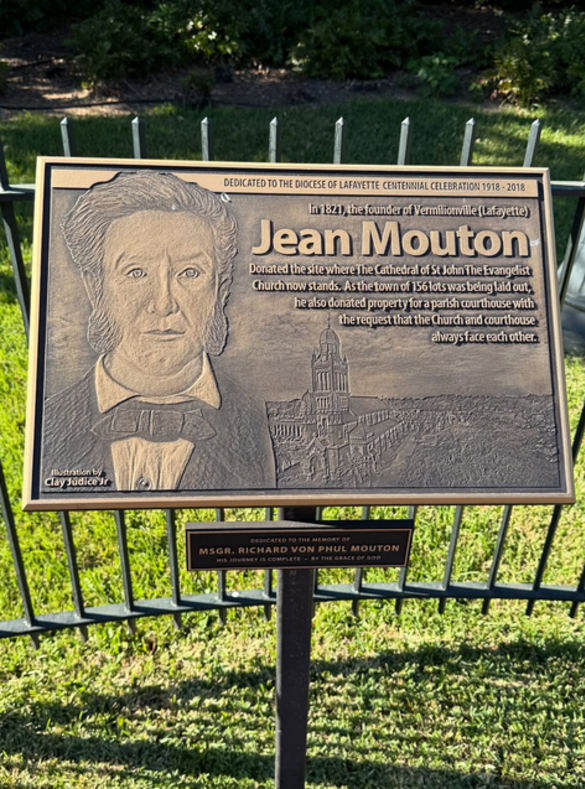
On Dec. 6, 2025, the Lafayette chapter of the DAR dedicated a plaque at the Cathedral of St. John the Evangelist Cemetery in downtown Lafayette, honoring four Louisiana patriots, including Jean Mouton, who is buried there.
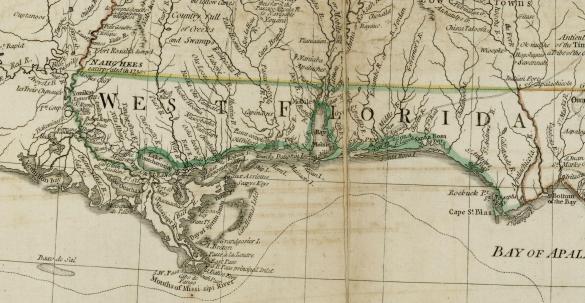
After the Louisiana victories at Baton Rouge and Manchac, Galvez traveled with his militiamen to Mobile in 1780 and Pensacola in the spring of 1781, conquering the British forts of West Florida. Over in Virginia, the siege of Yorktown by American colonists with support from Lafayette and French troops, the final major land engagement of the war, took place in the fall of 1781.
Spain’s conquest of the Mississippi Valley served as a vital element to winning the American Revolution, said Perrin, whose Broussard ancestor fought with Galvez and was especially instrumental in the Florida campaigns.
“And most people don’t know of Louisiana’s role in the Revolution,” he said.
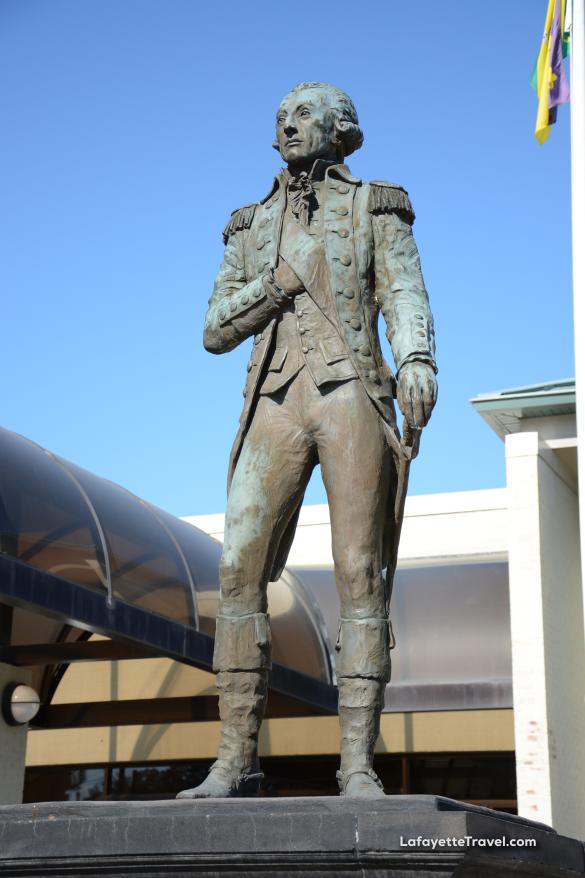
Visitors to the Acadian Museum may view Acadiana’s role in the American Revolutionary War in Louisiana and Florida, and learn whether their ancestors became Revolutionary heroes through genealogical records. The museum also exhibits Lafayette’s heroic role in the war, which is why the town of Vermilionville became known as Lafayette. The Marquis de Lafayette visited the United States in the early 1800s, but never made it as far as Acadiana. His descendant, the Comte Gilbert La Fayette, has visited South Louisiana and was named a “Living Legend” by the Acadian Museum.
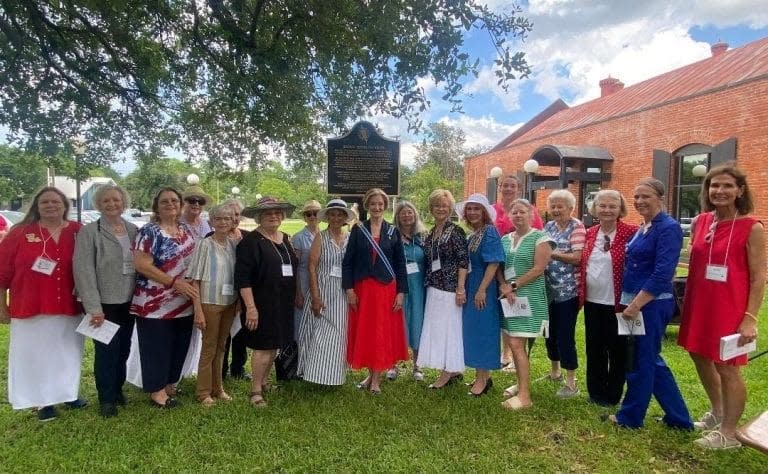
Last spring, the New Iberia Chapter of the National Society of the Daughters of the American Revolution unveiled a historic market at 230 W. Main St. in New Iberia to mark both the 100th anniversary of the chapter and the 250th anniversary of the signing of the Declaration of Independence in 2026. The marker is located at the former site of the Alma House, where the chapter’s first meeting was held in 1925. The marker honors three Spanish founding fathers of New Iberia and Revolutionary patriots—Francisco Segura, Gabriel Lopez, and Juan Miguez—plus the Acadians, Africans, Anglos, French, and Spanish who joined the fight.
The DAR chapter performed extensive research along with Perrin and historian Shane Bernard to also host the 2025 exhibit on Louisiana’s role in the American Revolution. DAR America 250 Committee Chair Susan Lissard is currently working with CODOFIL to translate the exhibit into French for a future showing with worksheets produced to enhance French immersion classrooms in Acadiana.
“The research unveiled 88 patriots from five different cultural groups from the Bayou Teche area,” Lissard explained. “It was exciting to learn about these men and their contributions.”
On July 4, 2026, the United States will celebrate the 250th anniversary of the signing of the Declaration of Independence. Credit for the war’s victory and the establishment of our country must be shared with the patriots of Louisiana.
Clikc here for events will take place this year in celebration of the 250th anniversary of the signing of the Declaration of Independence.