


Native American Culture
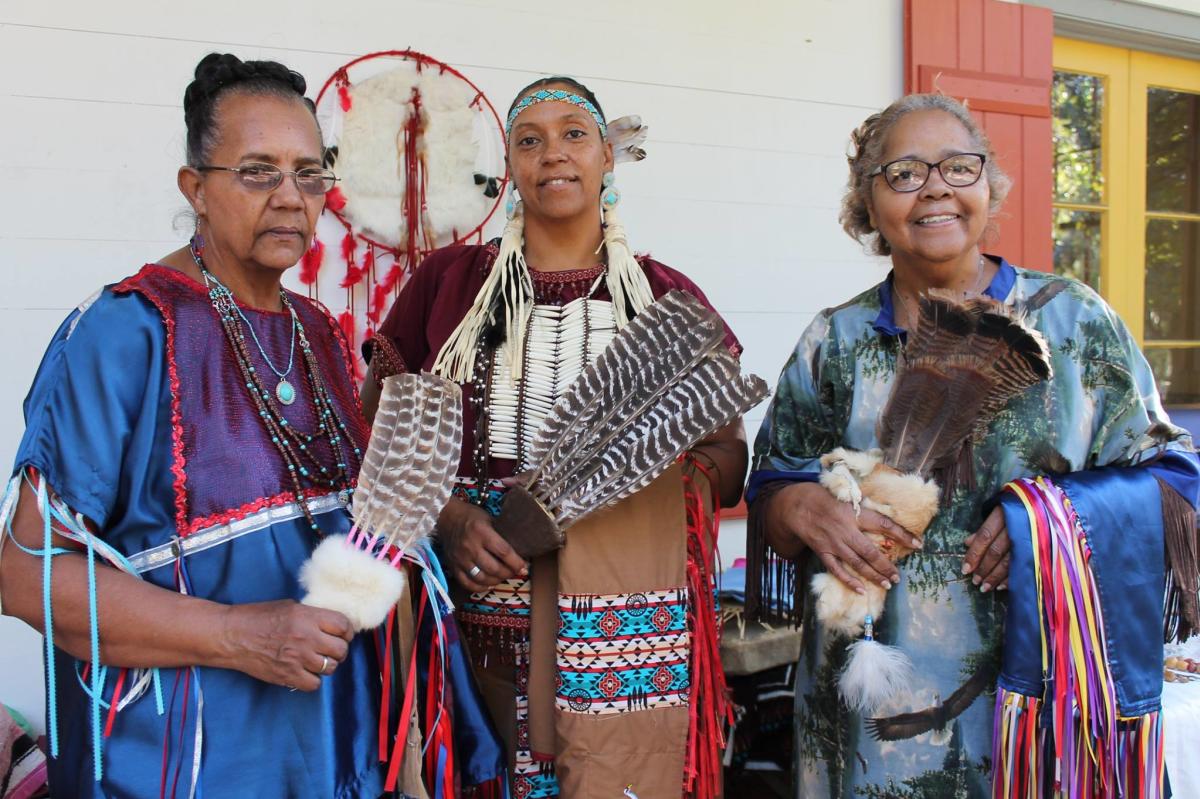
The Chitimacha Tribe of Louisiana, according to its website, is the only Louisiana tribe to still occupy a portion of its ancestral homelands. Those homelands once spanned the entire Atchafalaya Basin, stretching from present-day Lafayette to New Orleans, and south to the Gulf of Mexico.
At the time of European colonization, the Chitimacha peoples lived within a rigid class system divided into clans based on matrilineal descent. They subsisted on farmed maize and potatoes and hunted wild game, including deer, alligator, and seafood. They were ceramics producers until two centuries ago.
The Chitimacha were instrumental in the history of colonial Louisiana. They made contact with Iberville in 1699 and engaged in a twelve-year war with French-Canadian forces, during which many Chitimacha were enslaved. Following the war, the tribe’s population center shifted west, from Bayou Lafourche, then called the River of the Chitimacha, across the Atchafalaya Basin to the areas surrounding Grand Lake and the Bayou Teche, near their present-day reservation.
After the Louisiana Purchase in 1803, the Chitimacha homelands remained in political limbo for the next century-plus as the United States government repeatedly attempted to possess their land. In 1916, Sara McIlhenny, the eldest child of TABASCO founder Edmund McIlhenny, helped place the remaining 470 acres of tribal land in a trust. That same year, the United States federally recognized the tribe.
At one time governed by a chief, the Chitimacha Tribe adopted a constitutional form of government in 1970. The tribe now owns a total of 963 acres, nearly half of which remain in a land trust. Today, the Chitimacha Tribe occupies a reservation in St. Mary Parish, near the town of Charenton, along the Bayou Teche. There, a museum documents the history and culture of the tribe, which numbers around 1,300 members, with the majority living in Louisiana.
The Chitimacha language is entirely unique, what is known as a language isolate, one with no known genetic relationships. The language was declared extinct with the passing of its last fluent speaker, Delphine Decloux Stouff, in 1940. However, two linguists compiled a dictionary and set of grammar rules preceding her death. Recently, the tribe’s language, called Sitimaxa, has enjoyed a revival, with classes and the distribution of the Rosetta Stone Language Learning software to all tribal members.
The Chitimacha are perhaps best known for their highly detailed baskets, woven from local split river or swamp cane, the technique of which, according to tribal legend, was bestowed by the deities. The colors (dyed red, black, and yellow), shapes, and designs (alligator, snake, and worm motifs are popular) of the baskets have been passed down through tribal generations. Originally crafted for utilitarian purposes, these single- and double-weave baskets were traditionally constructed by women. Today, they are held in public and private collections throughout the nation, after being first introduced to the art market by Sara McIlhenny. A handful of Chitimacha weavers still produce and sell these baskets, often at state festivals, including Festivals Acadiens et Créoles.
Discover the legacy of the Chitimacha and other Native Americans at Vermilionville's Native American Culture Day, featuring family-friendly events, demonstrations, cultural exhibits, and more, held annually in November.


Lafayette Weekly
A weekly curated playlist by local musician Philippe Billeaudeaux featuring music by Lafayette, LA musicians with a weekly rundown of live music happening in and around the area…


Dwayne Dopsie
For Dwayne Dopsie, zydeco music has never been something separate from life; it’s been part of it from the very beginning. Growing up in a legendary musical family, he spent…

Lafayette's Summertime Guide
Summer in Lafayette is more than a season. It’s long days, cold drinks, live music drifting through the air, and time spent outdoors or somewhere cool when the heat kicks…


