


Cajun Music
Cajun music is a central component and marker of Cajun identity and culture in southwestern Louisiana. Largely accordion and fiddle-based and primarily sung in vernacular French, Cajun music has foundations in Indigenous American, African, German, Irish, Anglo-American, and Francophone folk traditions. Both rooted in the past and dynamically progressive, Cajun music is just as popular at home as it is worldwide.
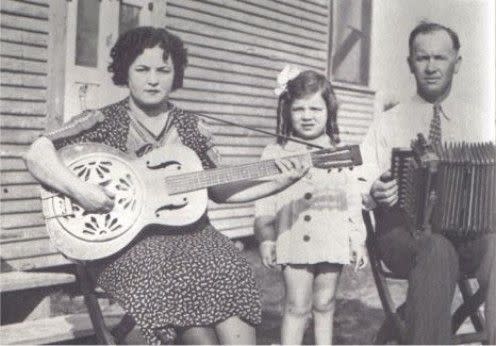
On April 27, 1928, the husband-and-wife team of Joseph Falcon, on accordion and vocals, and Cléoma Breaux Falcon, on guitar, recorded the first Cajun music sides in history for Columbia Phonograph Company: "The Waltz That Carried Me to My Grave" and "Lafayette." The record's success led to more opportunities for the Falcons and other musicians.
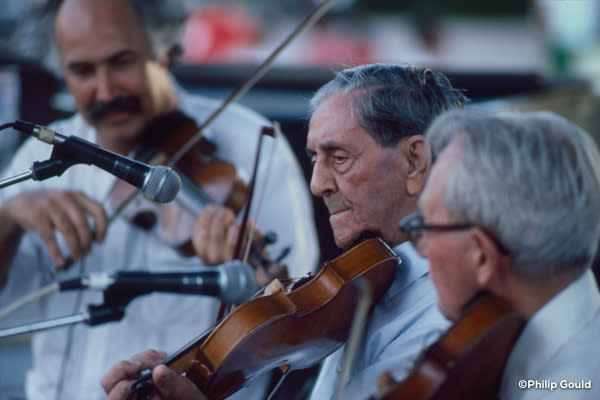
Though the early Cajun fiddlers are best remembered today — names like Dennis McGee and Sady Courville — an acoustic accordion sound defined the classic period of the 1930s and early 1940s.
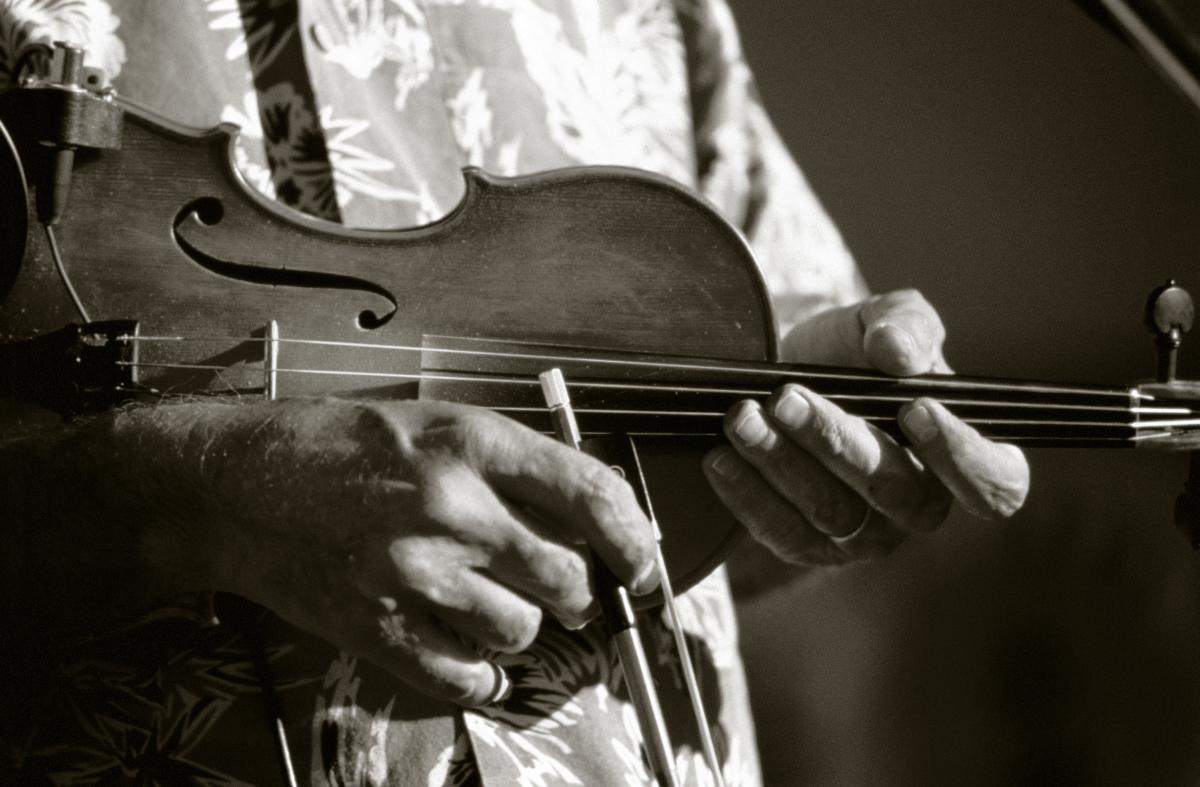
The accordion would eventually be overshadowed by the popular string bands of the prewar era, when bandleaders like Harry Choates, the "Fiddle King of Cajun Swing," and Leo Soileau traded influences with the up-tempo string bands of Western swing. Choates's "Jole Blon" became one of the biggest all-time Cajun hits, reaching number four on the Billboard Country charts in 1946.
After World War II, the accordion returned to center stage with the virtuosic but short-lived career of Iry LeJeune, whose "Love Bridge Waltz" and "Evangeline Special," recorded in 1946, were local sensations.
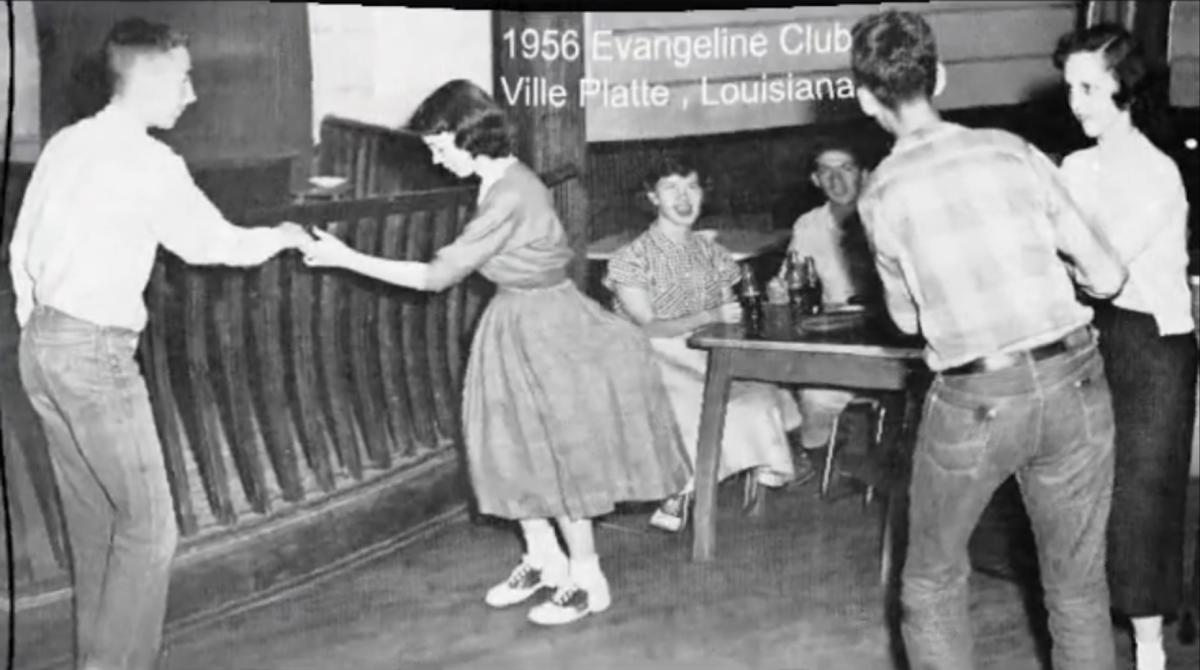
Around this same time, the culture of Cajun dancing transformed. Family-centric house dances, commonly called fais do-dos, from the Cajun French 'go to sleep,' gradually faded away, replaced by a modern dancehall that served alcohol (and likely a gambling room in the back). Traditional, popular European dances for one or many couples, like the quadrille, mazurka, and contra dance, were subsumed by the two-step, jitterbug, and waltz, which remain the standard Cajun dance steps today.
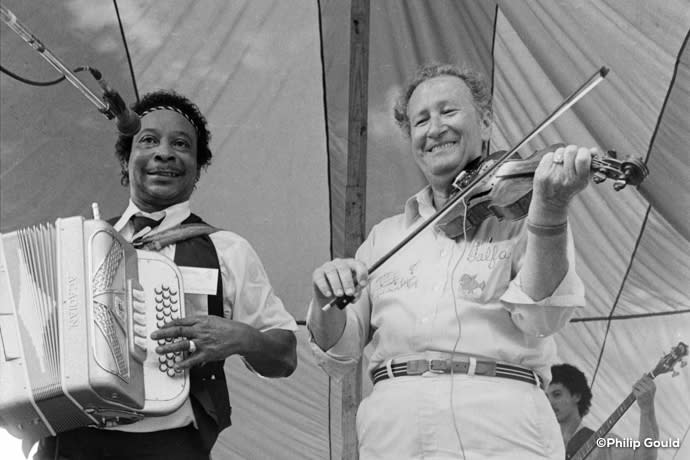
By the 1960s, Cajun musicians like fiddler Dewey Balfa toured the global folk festival circuit. Meanwhile, local labels, notably Swallow Records and abroad, brought the music to the masses. New restaurant dancehalls and festivals proliferated in Louisiana, riding the wave of a homegrown cultural Cajun Renaissance. Lafayette's Festivals Acadiens, the merging of two previous annual events, premiered in 1977 before changing its name to Festivals Acadiens et Créoles in 2008. Today, it is the world's largest Cajun and Creole music and heritage festival.
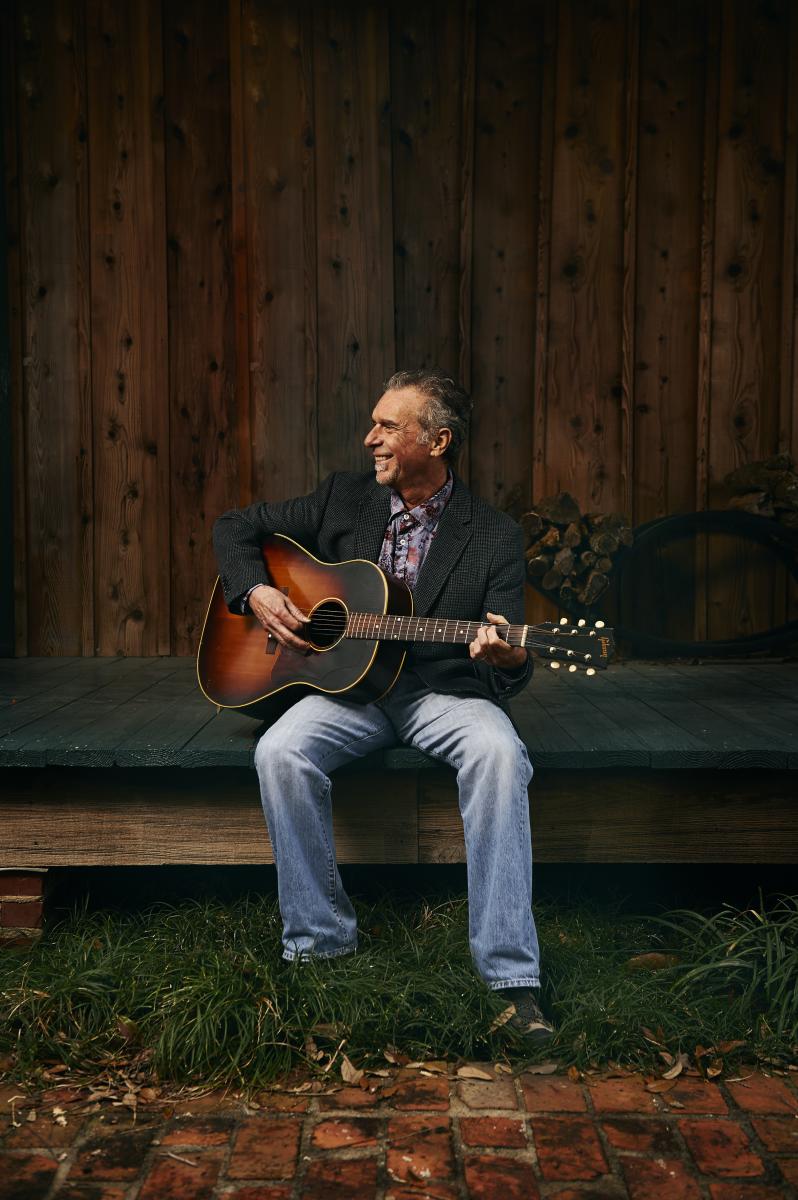
Inspired by the linguistic, culinary, and musical Cajun revival of the 1970s, a new wave of artists like Zachary Richard, Wayne Toups, BeauSoleil avec Michael Doucet, and Steve Riley and the Mamou Playboys toured the globe, performing traditional and original Louisiana music.
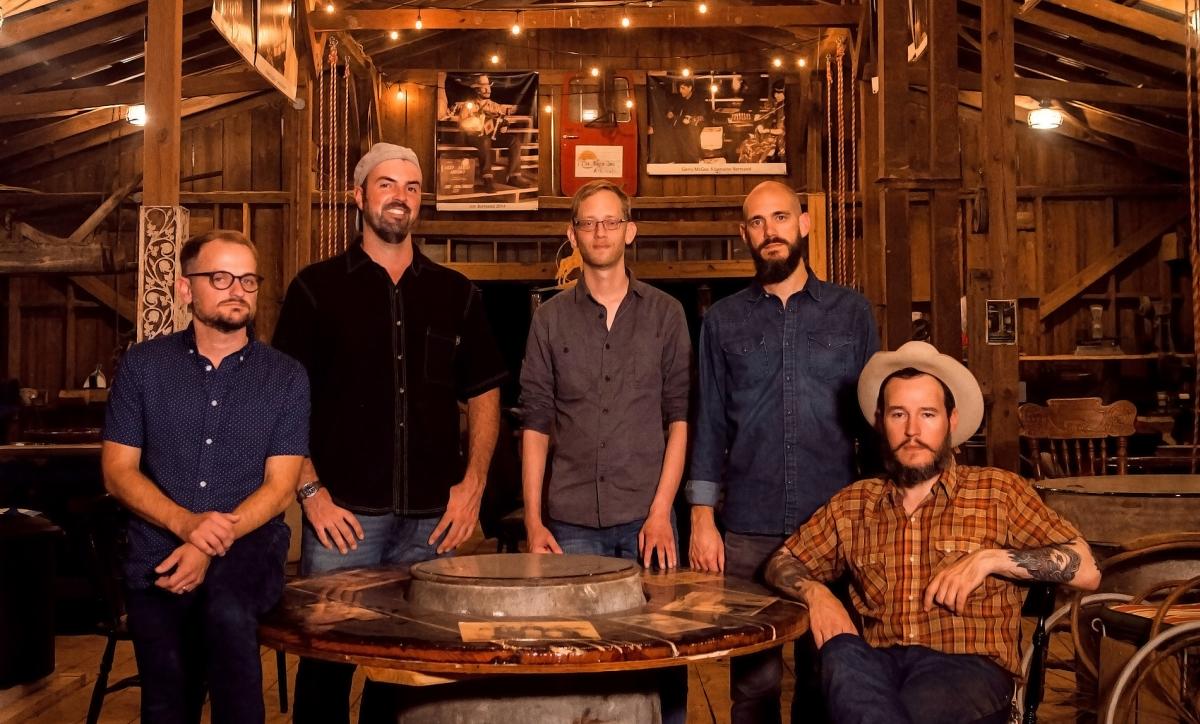
The 21st century brought attention to the band as a unit and identity in Cajun music. Many members of contemporary bands like the Pine Leaf Boys, Lost Bayou Ramblers, Feufollet, the Red Stick Ramblers, T'Monde, and the Revelers can trace their Cajun music lineages back one or more generations.


Audrey deMahy
Our beloved Acadiana poet Darrell Bourque once referred to early America’s free-form poets as “marvelous rebels” for breaking the rules of traditional form and…

Lafayette Weekly
A weekly curated playlist by local musician Philippe Billeaudeaux featuring music by Lafayette, LA musicians with a weekly rundown of live music happening in and around the area…

A Guide to Cajun Seasonings in Acadiana
There is a moment that happens to almost every visitor to Lafayette. They sit down to a bowl of gumbo or a plate of rice and gravy and wonder, “Can I make this at…


