When I first encountered Audrey deMahy, she was working at the front desk of the Acadiana Center for the Arts in Downtown Lafayette. She was quiet, and she was making a crossword puzzle. I was intrigued. I observed her for years afterward, wondering who this wordsmith was. I engaged with her when I visited the AcA, which was often, and tried to learn more about her little by little. I saw someone who played with words, and took this seriously, and I wanted to know more.
I think, generally, the term wordsmith sounds pretentious. Kind of like using mixologist instead of bartender – just do the good work and away with the fancy calling cards. But in Audrey’s case, its essence absolutely applies. She works words, she builds vivid pictures with them, plies them, puts them into place very precisely to elicit feeling. I now believe she is one of our community’s great poets.
We both attended the same poetry workshop in Grand Coteau a few years into our acquaintance, and it was then that our inner worlds as writers (and observers) were revealed to each other. What she wrote that day stood out to me for its quality and attention to detail. Her imagery knocked me out. If you ask me, poems are a lot like dreams – hearing other people’s is not always very engaging or interesting. But I wanted more of Audrey’s words. They meant something to me, the other. I think the mark of a great poem is its ability to resonate with or awaken something within a reader.
Audrey has since become a Community Engagement Coordinator at AcA, and her role in our arts community has grown. She spends her work days giving a leg up to other creatives through guidance and administration; sometimes we work together on projects or during workshops. But what brought her there? What happens inside her artful mind?
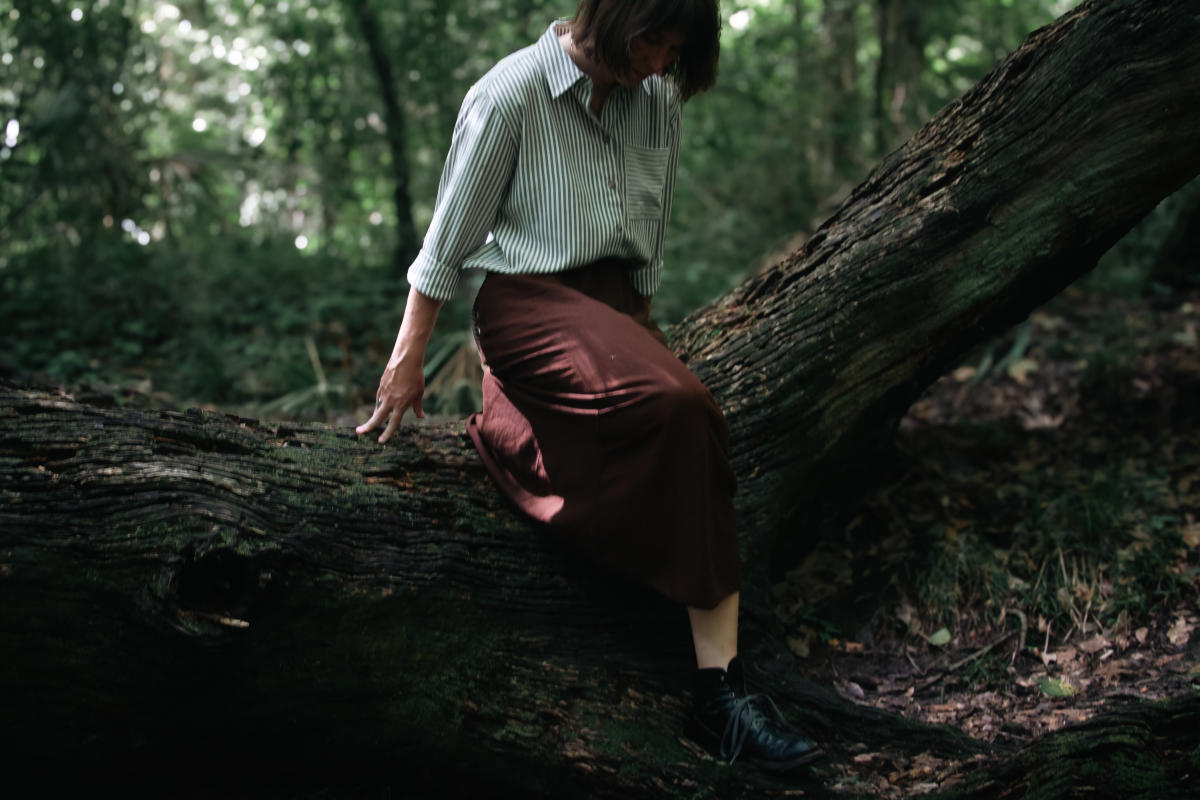
Image courtesy of Leah Graeff
What’s the story of your relationship with Lafayette? Where’d you come from? How’d you get here?
I grew up in New Iberia and Lafayette was the big city. To me Lafayette was the mall, and it was UL if we were going to visit my sister. I didn’t really know anything else about it until about 2018 when I moved back to the area. I went to LSU and after college I traveled for a while. I lived in Arizona, I lived in Alabama. When I came back I moved to Lafayette because I didn’t want to go back to New Iberia. When I first got back I lived in an apartment at Bayou Shadows and really was just kind of isolated and didn’t even know Downtown [Lafayette] existed for a couple of years. Then I discovered Downtown and that kind of became my spot. I found the arts and culture, you know, the AcA . Places there felt different. It felt like there were more people that I could relate to, who were more open to me as a person. Especially because I was just coming out at that time. So it felt safer to me. I kind of stayed there until now basically. (laughing)
Lafayette is a real special place to me. I feel like when I travel around there’s always a Lafayette somewhere. There's always a midsized city that’s not the “big one.” It’s nicer because it’s off the beaten path, but has enough people that want to make it something. It’s the right-sized arts community that you can really feel like you’re making an impact in it, and you’re not like one of like 5 million people trying to do art in a bigger city like NYC or NOLA. So that’s something that I really like about it.
That’s a great way to describe Lafayette. Sometimes I find myself wondering if it’s too small, when it starts to feel like an echo chamber.
Yea, there is like the canon of artists and there's good art in it for sure but I think there’s a lot more to Lafayette than that. And when I’m talking about the art of Lafayette I’m thinking of my cohort of artists, the up and coming. The stuff that doesn’t really have a place to go so it makes a place to go.
One of my favorite things about doing art is that you get to kind of be entrenched in the early stages of not just your art but everyone’s art. I always say that I write poetry as an excuse to hang out with poets. You don’t really get to see that side of things, the making of it, unless you’re making things yourself.
What about your relationship with words, reading and writing?
Words have been my favorite thing pretty much forever. I was a huge reader when I was younger. I probably started reading when I was three. That was the main way I spent my time, reading whatever books I could get a hold of. We’d go to the library once a week, and I’d grab 9 or 10 books and just speed through them.
What kind of books were in your house? Did you dig into what was there?
My dad wasn't a big reader. He’d read, like, dad books.
Dean Koontz?
No, stuff like the history of Pixar.
That’s not normal dad books. (laughing)
The history of things. Those kinds of books. My mom, I don’t remember her reading much but she must’ve because she’s a teacher. She taught English, and gifted students. She probably just didn’t have a lot of time to read, because there were five of us.
She’d read Harry Potter to us. I do credit her with getting me into reading at the early stages when I didn’t have the skills to actually dig into stories beyond like "Go, Dog. Go!" She would read them to me, so I still had the experiences of the stories until I could read them myself.
What about poetry? When did you get exposed?
Poetry, I did not get exposed to until very late. I had read poetry before, but it was the rhyming, very structured stuff like Robert Frost and Emily Dickinson. The poetry you read in school. I knew that stuff, and they had a student competition every year where you’d write poetry.
And you did it?
Yea, but I don’t really consider that stuff as part of my poetry journey.
Because you were emulating?
Yea I was emulating..but even back then I had a strong fascination with the rhythm of poems. I wrote a lot of lilting stuff. I had a lot of fun. I’d write a lot of fun or funny poems. I think even then that my poems had the seed of playing with the words, which is something I always love doing. We were a big game family and most of the games we played were word games. Crosswords, too.
You know, that’s what first drew me to you. I saw you at the AcA making crossword puzzles for your coworkers.
Really?

Image courtesy of Leah Graeff
Yeah. I love making crossword puzzles too.
I really enjoy different ways you can use words. When you’re making a crossword puzzle, the first thing you have to think about is What’s an interesting word? What makes a word interesting? Because in a 15X15 grid, there’s a billion options for what can go in it. So you have to decide what makes a crossword fun. What does it evoke in a person when they read it? What’s a different angle you can approach a word with? So many crossword puzzles have the word “Oreo” in it because it’s a good crossword puzzle word, so it’s about finding the 500th way of describing an Oreo that makes it interesting. That’s very fun to me.
I think that helps with poetry, because you’re thinking about why you’d choose this word over another, what makes it interesting, and what people think of when they think of a word outside of the context that you put it in?
I have noticed from reading your poems, and by talking to you here now, that your vocabulary is so rich. Where does that come from?
Reading, for sure. I also learned vocabulary words for fun when I was a kid. One of my favorite books when I was a kid was "The New Dictionary of Cultural Literacy." It’s basically a big list of references. If you don’t understand what someone’s referencing, you can check it and it’ll have a description. A big section of it is idioms and what they mean. I love reading stuff like that. Playing word games, you pick it up. And you just get a feel for words.
Reading your poetry, your imagery is so nature-based. Where did that come from?
A lot of it comes from my science background. I spent a lot of time outside from 2016-2020. My first job out of college was with AmeriCorps doing trail work. So basically you were outside for ten days at a time. You’d live in a tent. You’d go out and work on a trail from like 9 a.m. til 6 p.m. It was very formative. I do strongly believe that there's something very healing in just being outside. There’s something we’ve kind of lost in that, or that a lot of people are missing.
Yes. If I’m ever in a bad place, mentally or emotionally or spiritually, I make myself go outside because I know for a fact that’s gonna be medicine.
Yea. I have a complicated relationship with nature artistically because it’s kind of..you know how when you’re in a moment you don’t want to waste time taking a picture of it? I feel like writing about nature, you’re never gonna quite get at the core of it. If I write the perfect poem about a moment in nature, it still won’t even be close to what happens if I just took that person and put them there, outside. Something I say often is that nature is the thing that I’m digging toward when I write. And I won’t necessarily ever get to it but in doing it I produce these poems that will be useful in different ways.
A lot of my poetry is a reaction to the current state of things, where people aren’t experiencing a lot of things physically and there's this very strong sense of unreality about things, especially lately where we’re asking What is real? What is manipulated? Nature is the ultimate answer to that. It’s not manipulatable. It’s reality beyond what we identify as reality. And so that’s kind of I guess my way to try to heal beyond all that stuff.
I can’t wait for Leah to read this and get inspired about making the photos of you. I think she’s going to read this and be inspired by all the nature talk. I used landing this column as an opportunity to collaborate with one of my favorite creatives, and it’s really cool to see how the words and her photos interact.
Collaboration is the best thing about art.
For me, writing has been a solitary thing my whole life so figuring out how to collaborate with it is exciting.
It’s very exciting. I think with poetry collaboration isn’t intuitive. It’s lonely, or isolating, a lot of the time. I think finding ways to collaborate is the fun part. To me, there’s almost not a point to making art unless someone else is involved.
How do you know when a piece is done?
That’s a good question. I feel like I am probably a little too quick to say something’s done. I think a lot of my poems could’ve gone a lot further or I could’ve worked on them a little bit more. But I think my writing, at least in the past, is very much riding a wave and when the wave stops you stop writing. A lot of the time how it happens for me is: I’m not writing for a long time, just kind of thinking about a poem; or I have certain lines that I really like and eventually I sit down and it all comes out at once basically and when it stops coming out that’s the end of the poem. (Laughing)
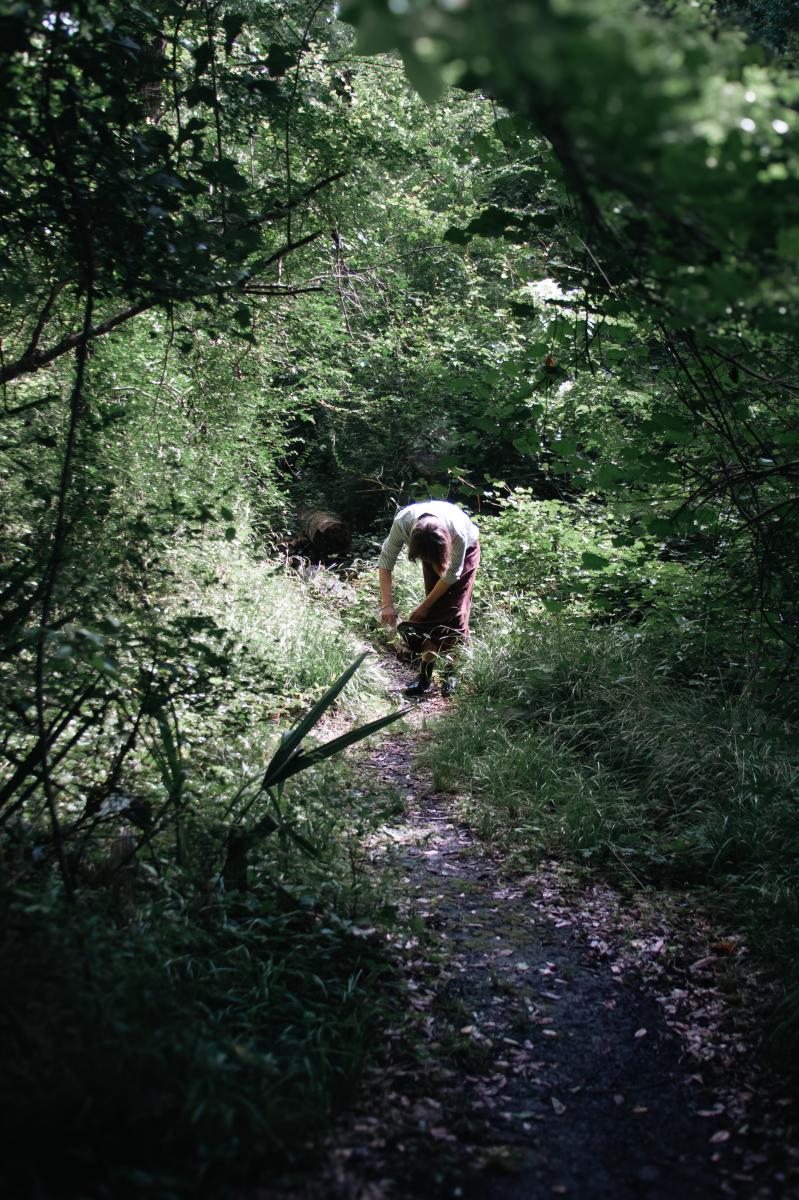
Image courtesy of Leah Graeff
Me too. You have little seeds. Do you keep a journal?
I use my notes app on my phone. If I think of a good phrase or a good seed for something I write it into that notes app, or sometimes I have an idea for a concept of a poem. The cockroach poem, that was one where I said I want to write a poem about a cockroach as an exercise so I was thinking about it in that way. If it’s that kind of thing, I’ll read maybe a Wikipedia article about it and I’ll pick out words or phrases that sound good or that pique my interest and then build something out of that.
Coooool.
(Laughing) Yeah, I think so. Other times, I’ll just start off with a line and just write and I don’t know where it’s gonna end up. A lot of the time it’ll end up in a very different place than I expected it to. I also write a lot of short poems, but I want to get better at writing longer, to try and just keep going, even if I don’t feel like it’s perfect.
So you do most of your writing on your phone?
No, it’s usually in a notebook. It kind of lives in three places, depending on what stage it’s in. If it’s in the initial stages, it’ll be in my phone. Then I write the draft in my notebook. Once I have the general semblance of the poem, the meat of it, I’ll put it on the computer and that’s where I’ll do editing. It’s a lot easier to move a line around on a computer. When I'm writing in my notebook it’ll be like one poem for like eight pages, just copied over and over. It’s a very inefficient way of doing things. (Laughing)
But I think there’s something to be said for the physical act of writing over and over. Whenever I do this column, it takes me hours to sit there and listen to the conversation. And I transcribe it word for word. And everyone’s like Why don’t you just use AI? Because revisiting the material is important. There’s value in that.
Yes. Something I’ll do a lot of the time, if I want to really see what works in a poem, is to rewrite it from memory, because then you can see what sticks in your brain. Rewriting it, you do sort of suddenly get an idea of the rhythm of it or you’ll write a word and suddenly you’ll think of the word you were trying to think of when you wrote it. I’m a big fan of rewriting things even if nothing is changing. The act of it.
Do you get to write at work?
I’m the designated invitation writer for parties and stuff. I have fun with them. It’s finding fun angles to say that there’s a party on Friday. (Laughing)
Like a word game. Like What can I do within this very limited format? What can I do here to make it sing? I write the obituaries in my family.
Oh, I’d love to write obituaries.
How does Lafayette as an environment contribute to your creative practice, you think?
That is something I think about a lot, actually. Not always Lafayette specifically, but I think a lot about what being born in South Louisiana means for me. I think that a big part of what I am trying to figure out with poetry is that question. I was not raised very “Cajun” or anything like that. I mean, we had gumbo and went to crawfish boils, but a lot of the Cajun culture – like if I try to participate in it – feels “put on” sometimes. So, I am trying to figure out what is my honest relationship to being from Louisiana, or Acadiana. This is part of why I write about nature a lot of the time – I’m trying to look for that, even beyond culture. What it means to be born in a place that’s on the coast, hot most of the time, humid, flat, frequently hurricaned, that kind of thing.
I have a friend Eva, who’s also a poet, who grew up in Montana. In more than one poem I’ve read by her, she writes about living in a shoebox because she feels very walled in by the mountains. That’s not an image that would ever have occurred to me, being born here, because everything is so flat. I write a lot about heat because I connect to that. I think there’s something about being hot that makes me creative for some reason. I can never write anything in wintertime. (laughing) It’s like you’re almost more moldable. There’s something about warmth that feels very intimate and cold feels very foreign. But that’s also probably because I grew up here.
Oh, that’s beautiful.
I do think Lafayette is such a green place. You don’t really realize it until you go somewhere else for a while and then you come back and it’s so incredibly green in a way that not many other places are. It’s kind of insane to come back to it and notice it. That has to do something to you subconsciously, to live in a place that’s so alive.
So I’m trying to rebuild my own version of culture, because I do feel like an outsider in a lot of ways when it comes to the traditional culture here. But I’m not an outsider, because I was born and raised here. So what does that mean and how do you reconcile those two things? To me, that’s what poetry is for. When logic is not enough you reconcile, emotionally, these two things.
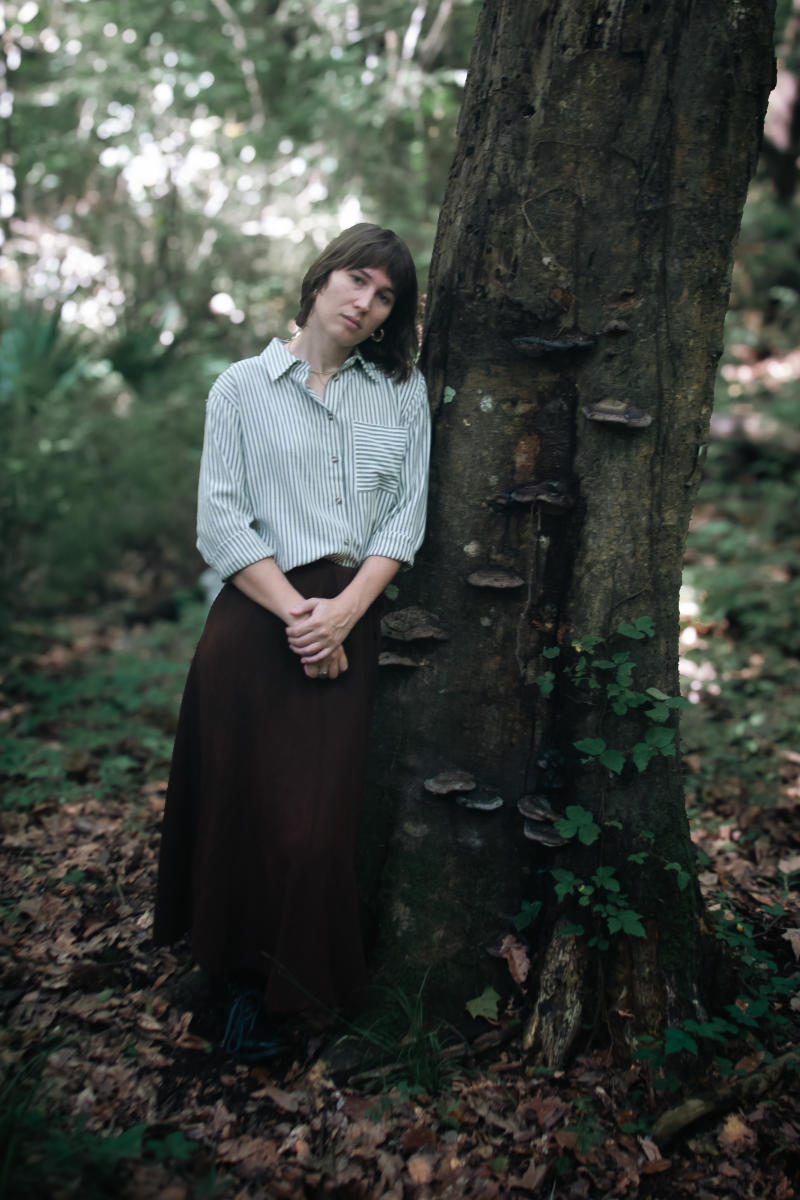
Image courtesy of Leah Graeff
This is great.
I think about these things a lot.
I was so excited to sit and talk with another writer today. You’re the first writer I've interviewed for this column. You’re speaking my language. Talking about words, most people don’t do that.
My favorite times are when I can actually get a hold of another poet, or writer. I went on a writing retreat last year, and that was like one of the best weeks of my life. I was just surrounded by people who were thinking about words and poems the same way I was. You suddenly feel like you’re not the odd person out.
It activates me. It’s like feeding a fire.
I do think there is something about creative energy feeding creative energy. I think seeing someone create makes me want to create. When I’m in a slump, for whatever reason, usually what it means is that I’ve not been experiencing enough of other people’s art.
Who or what inspires you? What are your muses besides nature?
Poetically, I started out in the haiku zone. A lot of my initial inspirations, my philosophy about nature comes from haiku poets like Bashō or Issa, all those guys. They just have a way of looking at nature in a matter-of-fact way. I think that’s one of the reasons why I’ve been so into specific words. Because if you’re writing 10 or 12 words, you really have to make them count.
The efficiency.
Yes, and the idea of an image, and transporting the reader into the moment. That’s something that I default to a lot in my poems. There’s this poet Robert Hass, who was Poet Laureate [of the United States from 1995 to 1997]. I really love his poetry because more than any other person technically his poems are the best. He knows how to say something in just the right way, or the right rhythm. Even if the poems he writes have “whatever” content, he says them in such a perfect way that it’s just satisfying. That’s something I aspire to.
Here, I am inspired a lot by visual artists more than other writers in some ways. Just because there’s something about the immediacy of visual art, or just the way they think about approaching art in this way that’s sort of collaging images. That’s how I think about my poetry a lot of the time, that I am taking certain images and using them as triggers or like paint. Like, if you can make a person think of this thing and this thing and this thing, and they combine, then you can create a moment in that way.
Something I focus on a lot when I’m writing, and that I think a lot about when I’m editing, is the sensory aspect. Did I hit enough senses, you know? There’s the thing people say that art is experienced spatially and poems are experienced temporally. So you experience a poem through time, but a piece of art you’re just engaging with it all at once. I forget where that comes from.
I worked with Loudhouse for a couple of years and was very inspired by a lot of the stuff that I saw there and the people that I worked with there. There was a very experimental, explorative quality to it. That kind of stuff excites me – people who maybe don’t know exactly how to say the thing that they want to say but they have ideas that you wouldn’t normally have if you were in a more traditional setting. It really encourages me to try to stretch myself in that way, and try new things. And even if you’re not that confident you can pull it off, even if you don’t, you’ve gotten somewhere that you wouldn’t have gotten otherwise.
I forget the artist’s name, but I really love her stuff…she did the thing at the AcA with all the mattresses.
Stephanie Patton?
Yes. I love her. I just think it’s so interesting. I remember liking that exhibit a lot. Something that I think about a lot is comfort versus honesty, and the fragility of ease. I don’t know if this is something that she explores in all her stuff, but in that exhibit specifically she was talking about a lot that spoke to me. That is something that, especially here in Southern Louisiana, at least in the way that I was raised, your social compass is based on what’s the least uncomfortable in the moment. But ultimately that leads to private discomfort. I don’t know if that’s what she was going for, but that’s what spoke to me.
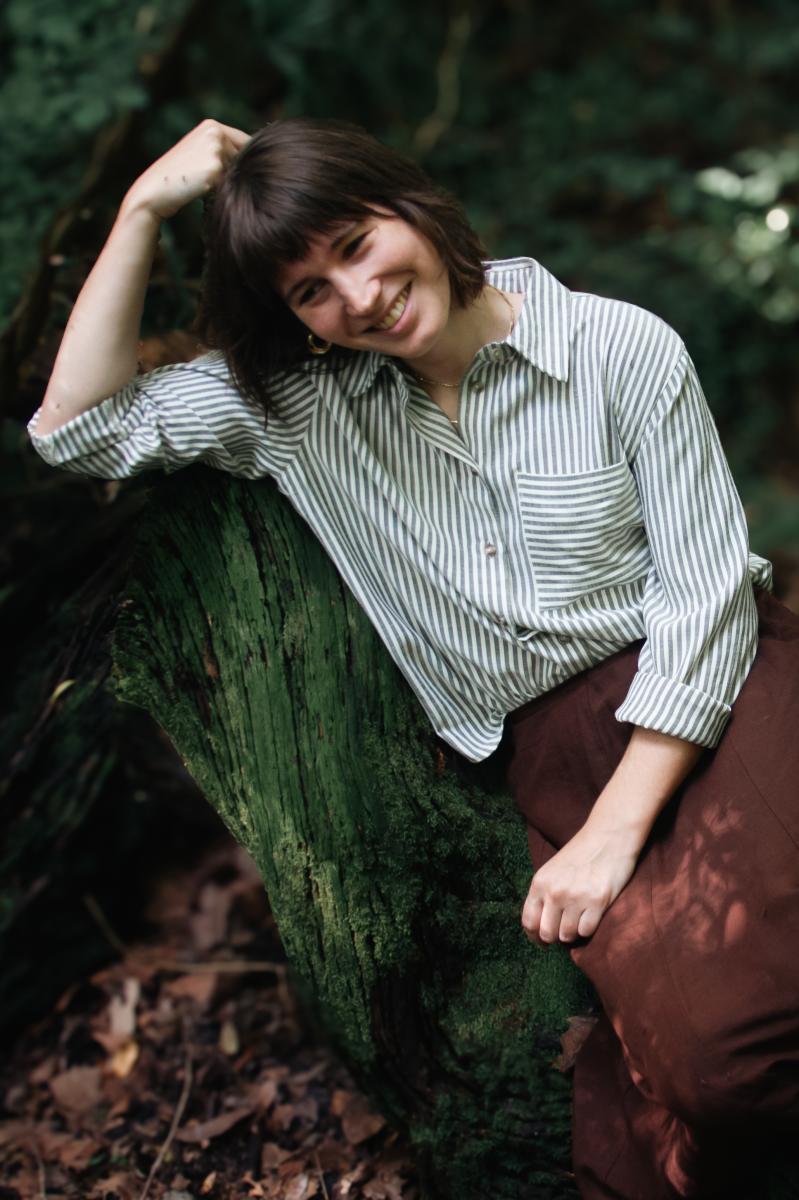
Image courtesy of Leah Graeff
Do you have any things you see yourself as a writer, as a creative, working toward?
I am working toward getting published. I do think that’s something that will happen eventually. I’d love to have a collection. I think a lot of poets have a collection they daydream about. It’ll be centered on nature and its ability to be the medicine for this current moment. Just exploring identity through that lens. That’s what most of my poems are about.
How do you name your poems?
I actually was very blasé about titles for a long time. I very often would just name them one word, like “Hair” or “Ash Wednesday.” But at that writer’s retreat I met someone who was really good at naming things and really good at giving greater context to a poem that way. When I talked to her she told me something about how the title is the guidepost for the poem. Like, if you want readers to be in a certain mindset when they go in, the title is where you do that. It’s your biggest chance to influence how they’re going to interpret what you’re writing.
Okay, final question. Describe your perfect day in Lafayette – you wake up, where are you going, what are you doing? An ideal day in Lafayette.
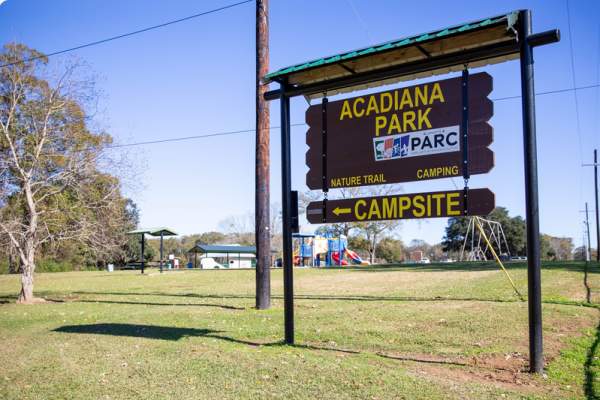
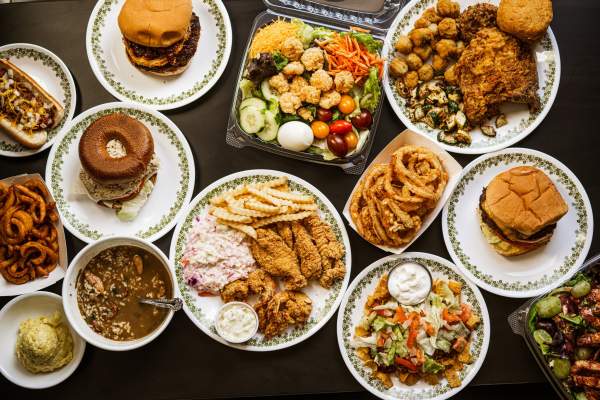
A perfect day, I’d get up early and I would not be tired. I would probably go to either the [Acadiana Park] Nature Station or Lake Martin or somewhere I could do some good birding. I’d do that for the morning. I’d probably go to get breakfast at Ton’s, and I’d have a honey chicken biscuit. Probably an apple juice to drink, but I love the green juice too. Then I’d go to Girard or Moncus Park and lay out and read a book. That’s a lot of outside time, so I’d probably go home and nap. Then maybe go to the Hilliard and see some art in the afternoon. Then maybe a movie – I love going to the movies. If there were a really good musical or play at Wonderland [Center for Performing Arts] or Cité [des Arts], I’d love that. And I love hanging out with people, so that would all be with my friends.
In Grand Isle, I Saw a Pelican Sitting on a Telephone Wire
A poem from the book of Audrey deMahy
she hangs
in my memory like a portent
electricity bending
and zipping beneath her bulk
the weight of her lung-stuffed bones
pulled downward
the weight of four herring
and a mullet writhing
in the pulse of her belly
remembering
the sea
this was not her place
this was not what she was told
to do
her feet, like great rubber slabs,
were not made
to perch on a line
not made to grasp
or reach out
and yet her great, brown body squats
each heave of hot salt threatening
the friction, grunting
with her macabre grin
at the cars creaking
below
“I am a bird.
I am a bird
too.”
- 1201 E. Alexander St.
- (337) 291-8388
Located in a wooded section of Acadiana Park, a 150 acre facility in the northeastern corner of Lafayette, Louisiana (south-central Louisiana), the Nature Station and its accompanying 6 mile trail system is owned and operated by the Division of Arts & Culture, in the Department…
- 500 Jefferson St. Suite C
- (337) 769-3404
Cajun, Burger, Plate Lunch Restaurant in Downtown Lafayette with original restaurant in Broussard, Louisiana serving Breakfast and Lunch Home cooking since 1963. Breakfast, Lunch & Catering.
- (337) 500-1177
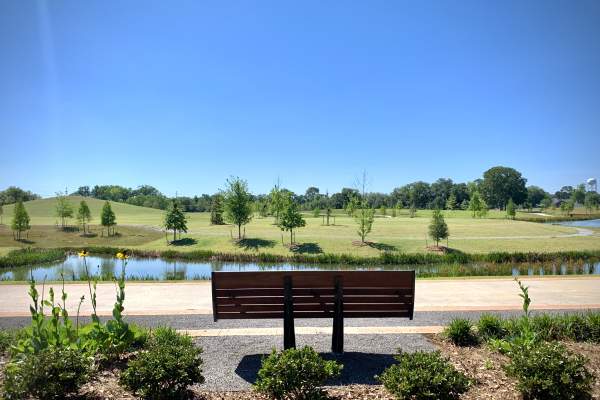
Moncus Park cultivates connections that enrich lives and strengthen community through nature. As Acadiana's only nonprofit park conservancy funded entirely through community support, Moncus Park is a must-visit destination in the heart of Lafayette, Louisiana, spanning 100…
- 500 Girard Park Dr.
- (337) 291-8370
- 710 E Saint Mary Blvd.
- (337) 482-0811
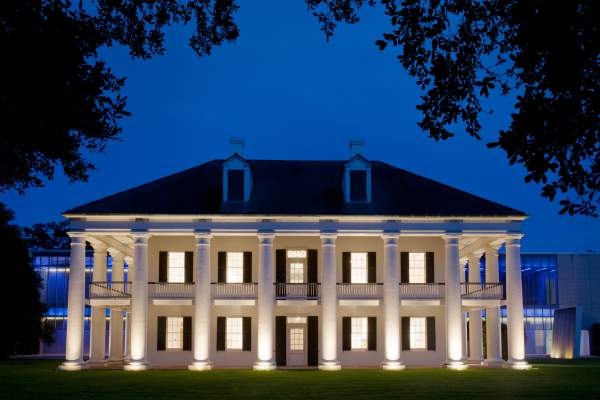
The Hilliard University Art Museum is a dynamic, education-oriented museum that serves as a center for interdisciplinary learning. Exhibitions and programs are designed to meet the educational and cultural needs of Louisiana's highly diverse population and to foster intellectual…
- 109 Vine St.
- (337) 291-1122
Cité des Arts is an arts center and art incubator in downtown Lafayette, providing ongoing programming and classes in many artistic disciplines.