Ironing. Rice and Gravy. Crawfish. Horses.
Conni Castille’s documentary film lineup reads like a list of cultural touchstones for almost anyone from South Louisiana.
Maybe you remember the scent of starch-y steam when your mother or grandmother ironed something cotton in the next room, or seeing men on horses tromping through a cut field. You surely know the taste of the best rice and gravy you’ve ever had – and if you don’t, you’re missing something very special and you should seek it out at once. Maybe you saw Paul Daigle and Cajun Gold for the first time at the Breaux Bridge Crawfish Festival one year, and it fueled your love affair with Cajun music.
Castille is a folklorist, documentary filmmaker, and Master Instructor of Moving Image Arts at UL Lafayette. She’s also someone whose creative choices have inspired me for some time. The stories she chooses to tell through her films make me think about how many untold stories there must be inside every person, every occupation, every thing.
I return again and again to wondering about why stories are so important to us – both telling our own and hearing others tell theirs. I believe stories are a tool we use to understand our lives and make meaning of them. They’re vehicles of knowledge, and I think there was a time when people used them more often and more wisely than we do now. Mythology was once so fundamental for us, and now it’s generally considered frippery or insignificant.
Stories say This has happened before, so we know someone has gone through it. I am grateful for the stories that Conni has chosen to pay attention to, because they are so close to my own. I see myself in them and thus make meaning from them.
I went for a visit to her Breaux Bridge home, where the walls held several drawn self-portraits. It made sense to me that she’d be an all-’round sort of artist, and she captured herself well in these drawings. We had curried chickpeas on the screened-in back porch, plenty of light.
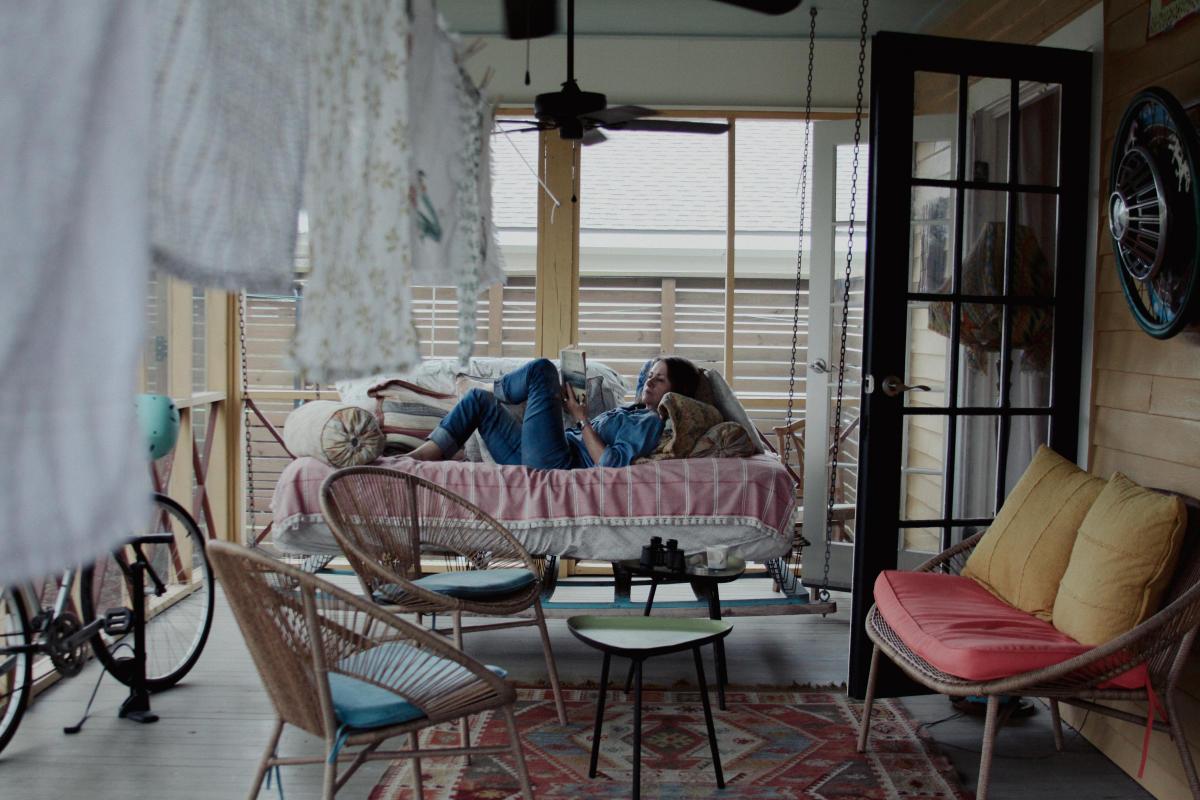
Image courtesy of Leah Graeff
What’s been your relationship to Lafayette, as a woman who grew up and lives in Breaux Bridge but who does a lot in Lafayette?
I have to say, I grew up down the road in the country, past La Poussiere [Cajun Dancehall] on the right. Going to Lafayette was “going to town.” It was big. It was culturally different. My mom worked downtown, for Washington Life Insurance Company. She’d bring home Keller’s Bakery – I remember the ladyfingers.
We’d go shopping downtown. There was La Parisienne, where The Juliet is now. There was Saloom’s where we’d bring my grandmother shopping. Abdalla’s. Sears. Where the science museum is now, that was the grocery store, Heymann’s. And I remember the Woolworth’s.
When I turned 18, I started working at Guaranty Bank downtown. I’d gotten pregnant when I was 17, barely. I quit high school, and my mom said that if I got my GED she could get me a job at the bank because she was friends with the HR person. I didn’t get my GED right away, and I worked at Martin Mills. (Laughing) That’ll make you get your GED.
What’s your process like, coming up with an idea then making a film?
I come up with an idea for a film, then I do the research. Some of the research is oral history – you know, going to interview people. Let’s use the ironing film [I Always Do My Collars First: A Film About Ironing] as an example. So, I wasn’t interested in filmmaking, I was interested in storytelling. Thus the folklore thing, right? The 20-page paper I did for this class, Women and Folklore, about women ironing – my mom was in it, and all these other women.
The stories I choose to explore, usually it’s something that just nags me. Something in your head that just haunts you till you do it. Once I did the research paper on ironing, I couldn’t get it out of my mind.
That’s where it all started?
That’s where it all started, in a graduate class with Marcia Gaudet. I did that, and I thought Well this would be a nice film – it’s about how we look, so it lends itself to a visual. Charles Richard had just been brought on to start a film program at UL Lafayette. I met him, and he had one camera. Then I’m at Blue Moon, and the graduate students in Creative Writing at the time used to do this really cool thing where they’d partner writers with artists – it could be a photographer, it could be a dancer, it could be a musician, a film person. So I’m watching [longtime UL Lafayette English professor] Jerry McGuire, and he’s reading his poem, and in the background there’s a visual. I said Jerry, who did that? He points to Allison [Bohl, now DeHart]. She was studying Experimental Media Arts. So I went up to her and of course I'm using big words because I’m academic (laughing) and I said Would you like to make a film about the domesticity of ironing? And you know Allison – Yeah! And that was it.
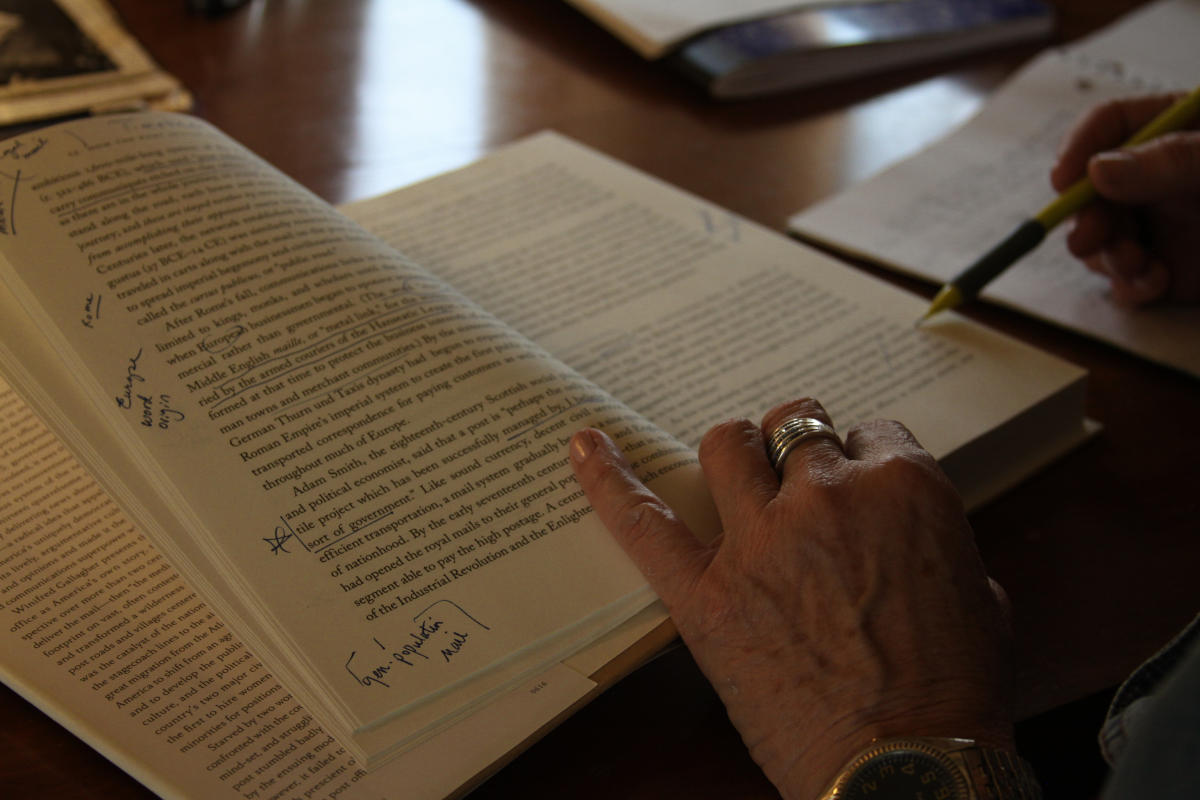
Image courtesy of Leah Graeff
I do know Allison, and I love that she is a part of both of our lives. She made the Marvelous Rebels graphic for this column. What happens next?
So what happens is then, before the camera comes, I go do all the research. I interview the subjects, I transcribe it, and write a two-column script – one side is what we’re gonna hear, and the other side is what we’re gonna see. And now we start visualizing. We brought in some footage of when I was a little girl, because [in the context of the ironing] the children were a reflection of the mothers when they were seen outside of the house. It reflected on them as mothers, as homemakers.
I interviewed 9-10 women, because when you’re trying to say something about a particular culture like This is what Cajun women do you have to know that it is something that they're actually having a conversation about, that it is a shared belief in the community. That research paper showed me that. My mom would say You have to go talk to so-and-so, she’s the best ironer! These women knew what kind of irons each other had, what kind of starch they used – it was wild.
Of those ten or so women, I picked four of them based on their stories but also based on their level of comfortableness and their personality. Then I brought Allison to meet them, so that when we did come with a camera they’d feel more comfortable. My tante Bee, the oldest woman in the film, loved Allison. She wanted to fix her up with her grandson. And that’s why she’s always looking at the camera, because she’s flirting with Allison and trying to get her to like her grandson. (Smiling)
I remember when we left, Allison said she could hardly understand what my aunt was saying, because of her thick Cajun accent! I had never thought of having to put subtitles on a film. Allison is from Shreveport. When we showed it in Shreveport, people asked Do they really talk like that?
That was our first film together. At the time, there was a lot of funding for arts and culture, a huge budget. Louisiana was something like third in the nation for financially supporting arts and culture. I wrote a grant for the next film, Raised on Rice and Gravy. As that film was ending, I wrote another grant. From 2007-2011, we had Collars, Raised on Rice and Gravy, King Crawfish, and T-Galop. That money never came back.
So your love of storytelling came before film. You’re attracted to these stories. What is so special about these stories, the ones that attract you?
Everybody has a story. And like, these women about ironing, no one’s ever asked them about that.
This is my understanding of folklore, is that these little everyday things prove to hold some of the most important stories of our lives.
Because they’re everyday stories.
But you touch on what I think of as deep culture. There’s surface culture and there’s deep culture.
And typically that telling of surface culture is dominated by males. History books are typically white men telling big history, big movements. Folklore provides history through the mundane, the everyday, or what we think is mundane. But if we spend all our time doing that stuff, it’s doing something, right?
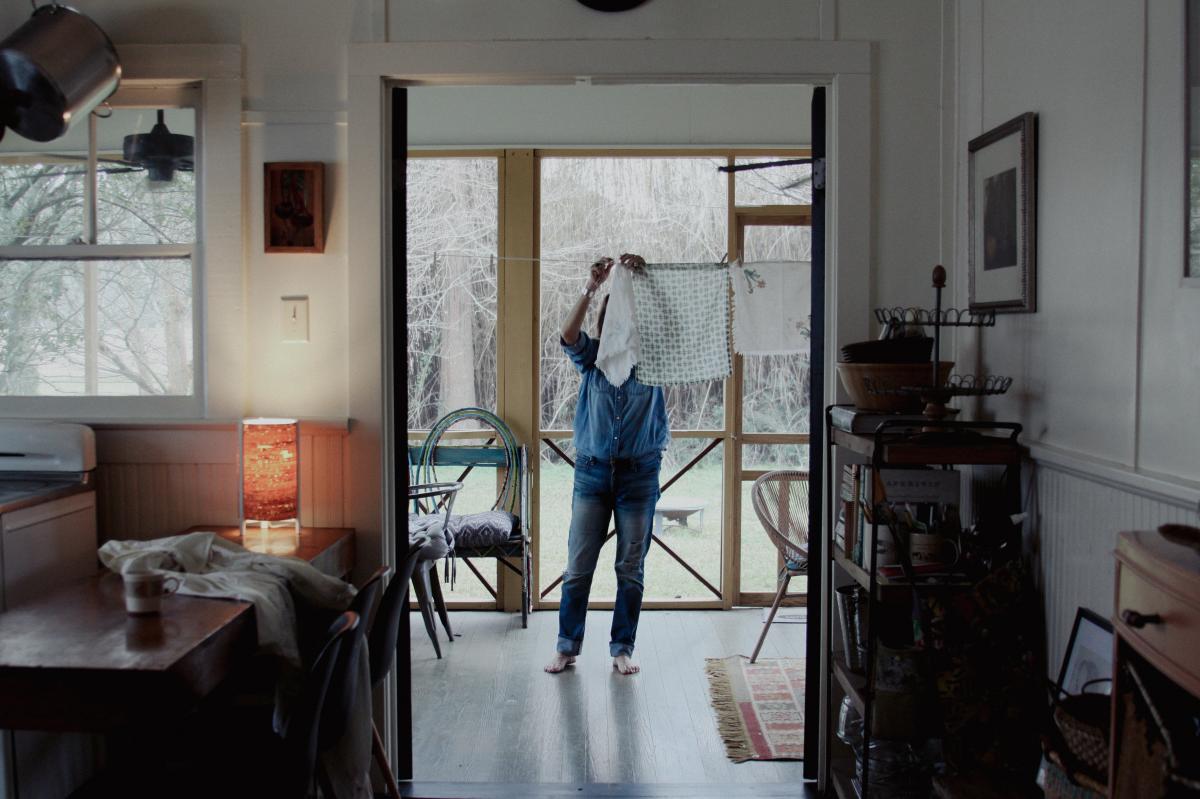
Image courtesy of Leah Graeff
One of my favorite stories is of Bobby Charles sitting somewhere and hearing someone leaving say “See you later, alligator,” and that he wrote that down and it turned into the song. That’s what a lot of songwriters do, is hear something and write that down because it hooks them, and they build around it. Does that happen in your storytelling? Like with The Quiet Cajuns, did you see something or did you hear something that struck you or did you go out seeking it because you already had the idea? Was it kismet?
With The Quiet Cajuns, the deaf-blind school is close to [UL’s] campus, so I’d come across their students often. I was curious. But it was really learning about this genetic quirk, Usher syndrome. And this idea that you have a subculture of Cajuns who have never heard a waltz, who have never spoken French! But their other senses are so heightened.
It was so interesting, because then it posed the question What does it mean to be Cajun? if you can’t hear the music or the language.
Did you find an answer?
I have an answer, an opinion about what it means to be Cajun, but it’s not been tested. I think it’s an attitude, a way that you approach life and how you react to life and things that happen. Maybe you never cook a gumbo, or speak the language, but you grow up here. You know, you might see somebody do something and think They’re not from here. (Laughing)
It’s hard to put into words. It’s not like a checklist. An attitude – what is that? Is it how you handle challenges. You know, we’re jokesters. I remember doing this research about Cajun jokes. You have this body of Cajun jokes, but when a Cajun is with someone that’s not Cajun they tell the jokes that make us look like tricksters, and smart. And they tell the self-deprecating jokes to fellow Cajuns.
Oh, I love that. So these stories, they nag you to explore them.
Yes, the ironing story nagged me. King Crawfish came about because it was the 50th anniversary of the Breaux Bridge Crawfish Festival. T-Galop nagged me – I was like What’s with all these horses? Growing up, I’d see all these Black cowboys riding through town. That question brought me to the Cajun Mardi Gras, and then I eventually figured out the horses were because of the cattle here.
I love that. Some of my favorite stories are told through the lens of this one specific subject, and you can tell the whole story of humanity through that lens. You do that. It makes life so much more interesting to see it through that kind of lens.
It’s why we followed the title I Always Do My Collars First with A Film About Ironing. It was kind of a joke, like ironing isn’t really about ironing (laughing).
Was there a moment or an experience in your life where you realized you wanted to be an artist or be creative?
No, not really. After the first film came out, I was referred to as a filmmaker. And I said Am I really? I felt like a poser.
I remember talking to [Francis] Pavy or [Melissa] Bonin about Elemore Morgan, Jr. They said that having him as a teacher [at UL Lafayette, then called USL], gave them permission to create art because the only art form that was really recognized here at the time was Cajun music. That was a big deal. Like, Ok I can be an artist.
After Elemore died, I was talking to his wife who said she got a sympathy card from a guy who wrote that he remembered being in the backseat of his family’s station wagon as a child, and they’d be driving through the rice fields in the country, and there would be this man standing at an easel, painting. It told him it was okay to be an artist.
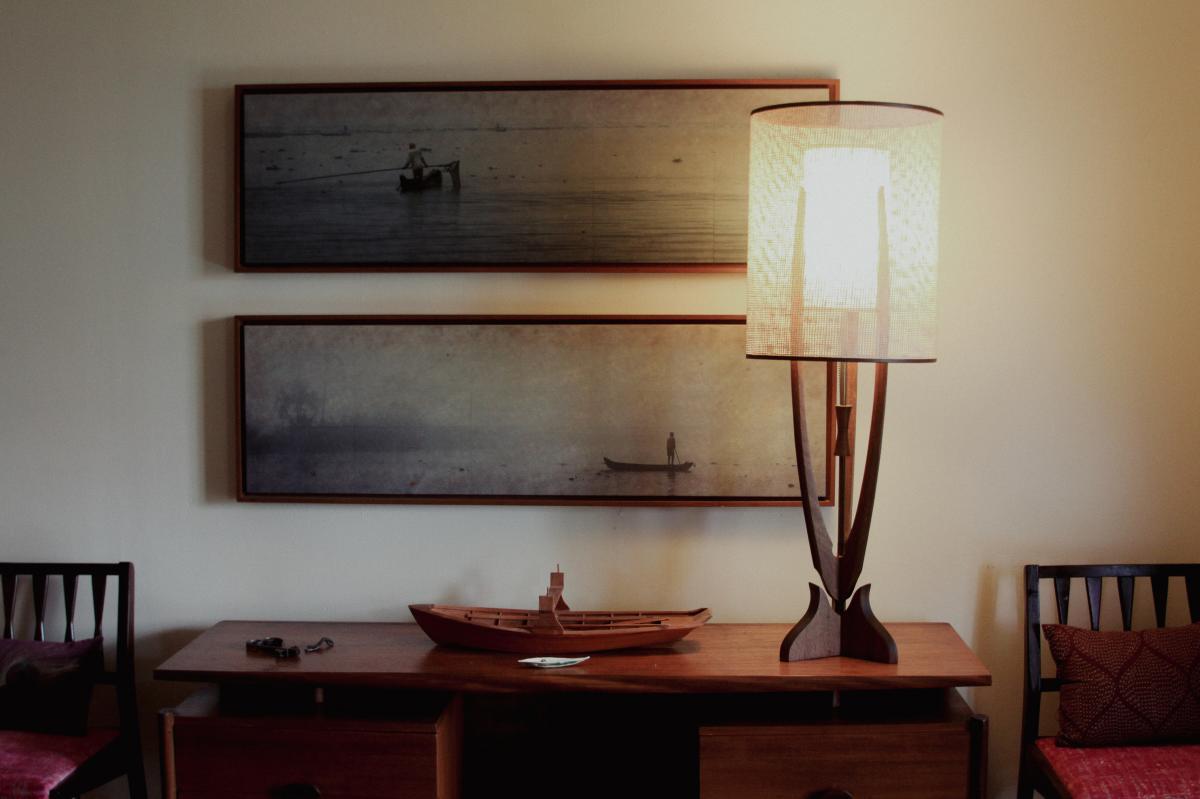
Image courtesy of Leah Graeff
What do you introduce yourself as?
Well, now I’m ok with “filmmaker.” But one film or one book – does it make you an author, does it make you a filmmaker? Can you do it again? Like, the drawings I have up in the house I did, I wanna go back to that, but I don’t know if I can still draw.
Now I say I’m a documentary filmmaker. And a folklorist.
What are some things you’ve learned along the way that were significant for you?
I’ve learned to not be judgmental, to be compassionate. Where we’re born, who we’re born to, what color our skin is – we have no control over that.
Everybody is going through something. And when you start asking people about themselves, and you’re genuinely interested, I think that's the best gift you can give to someone is to listen and let them know that they’re seen. I’m not saying I’m good at it but that’s what I’m trying to do.
That speaks exactly to the purpose of storytelling.
I remember thinking, making the ironing film, Is ironing this important? Shouldn’t I be doing something more important, making something about humanity and the world? Maybe, but if you think about laundry – across cultures, across the planet – it’s probably more of a woman’s domain regardless of culture, but men are affected by it too. It means something to everyone.
Do you have any tips or tricks about making people feel comfortable when you’re interviewing them or filming them?
Time, attention, eye contact – sincerity should come across. Usually people like talking about themselves. You might start by asking them questions that aren’t directly related to the subject. Let those awkward silences be. You don’t have to fill them. Let them think. I’m a big advocate of doing preliminary interviews, using that for research and then for my scripting. Usually when you come back with the camera, they’ve had more time to think about these things you’ve talked about. That’s what happened with the ironing film, when we went back with the camera we could say Remember we talked about this?
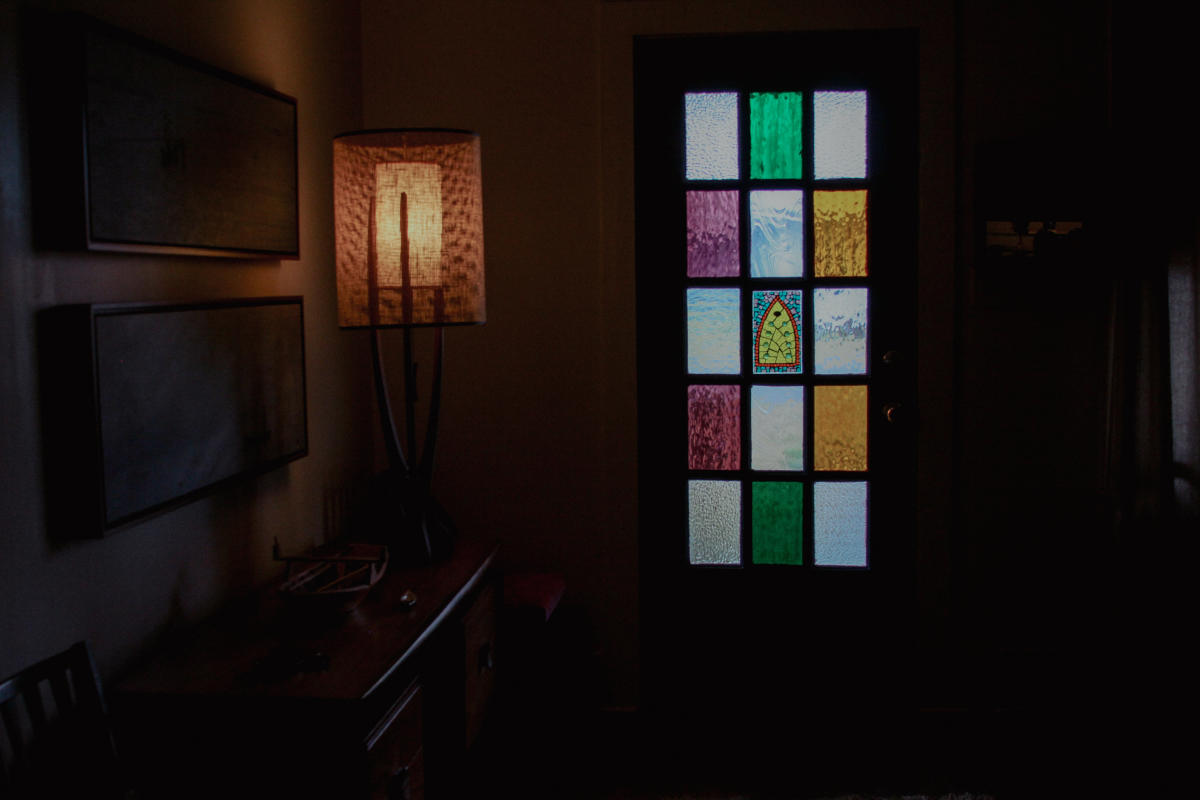
Image courtesy of Leah Graeff
You have a degree in philosophy and a degree in folklore. How did that philosophy degree inform your creative work?
I went to college late, you know. I was asking myself all these questions – why are we here, what does it mean to be human? I took a philosophy course and it brought everything together. Everything starts in philosophy.
Tell me about what you do at UL Lafayette.
I teach Intro to Film and Documentary Filmmaking. There are two Documentary classes – one is theory and scholarship where we look at different styles and modes, and it’s really about ethics. And a production class. The seniors have to do a capstone project, and if they do nonfiction I work with them. Most of them want to do fiction. I usually do two or three each semester, and that’s a one-on-one kind of thing.
One of my favorite classes to teach is Intro to Film because this is the first time that the students learn the tools of cinema. It isn't a production class – we’re gonna look at lighting, sound design, camera movements, angles, production design – and we see how everything is so intentional in a movie, a narrative movie. Especially in production design, why have dialogue do all the work when you can have hair, makeup, wardrobe tell most of the story? The props, the personal space of a character is the most telling about them. We can’t help it as humans – we start reading all these symbols. You walk into somebody’s house – Do they have books or do they not have books? What kind of books? I think we just tend to do that as part of the human condition.
So by the end of that class, Intro to Film, now we understand the power of all those tools, how it can shape a story. A high angle versus a low angle communicates something completely different to an audience, so you’ve got to understand that power. Because it’s invisible, right?
Now, if you’re gonna make a nonfiction movie, it’s the same tools. But now ethics come into play. Now you understand the difference between a push-in or a pullaway, or a high angle or low angle, or the power of sound design. You’re not gonna throw hair, makeup, and wardrobe out of the window. Let’s say I go to film a woman about her ironing, and she’s got a rebel flag hanging in the background – do I film that? How does that connect to my story? Am I lying by not putting it in?
You have to be quiet, and you have to observe, to be any kind of artist. Even if you’re gonna make a fictional film, you have to be good at portraying reality because it has to resemble reality. So you have to be a student of reality and study it. The little details will matter. You’ve got to be a curious person. I might be curious to a fault.
Film as a medium, what can it do that other media cannot?
Just like photography, it’s an immediate communicator. You don’t have to know how to read, you don’t have to know a certain language. Having these stories on film, it’s something the subjects’ kids and grandkids will see. You don’t necessarily need an interpreter or any other skill set besides your vision.
But I don’t think everything lends itself to that medium. Sometimes it is better in a book.
What inspires you?
I’m a swimmer, and I do a lot of thinking when I’m swimming. I do a lot of paddling, walking about, going into nature.
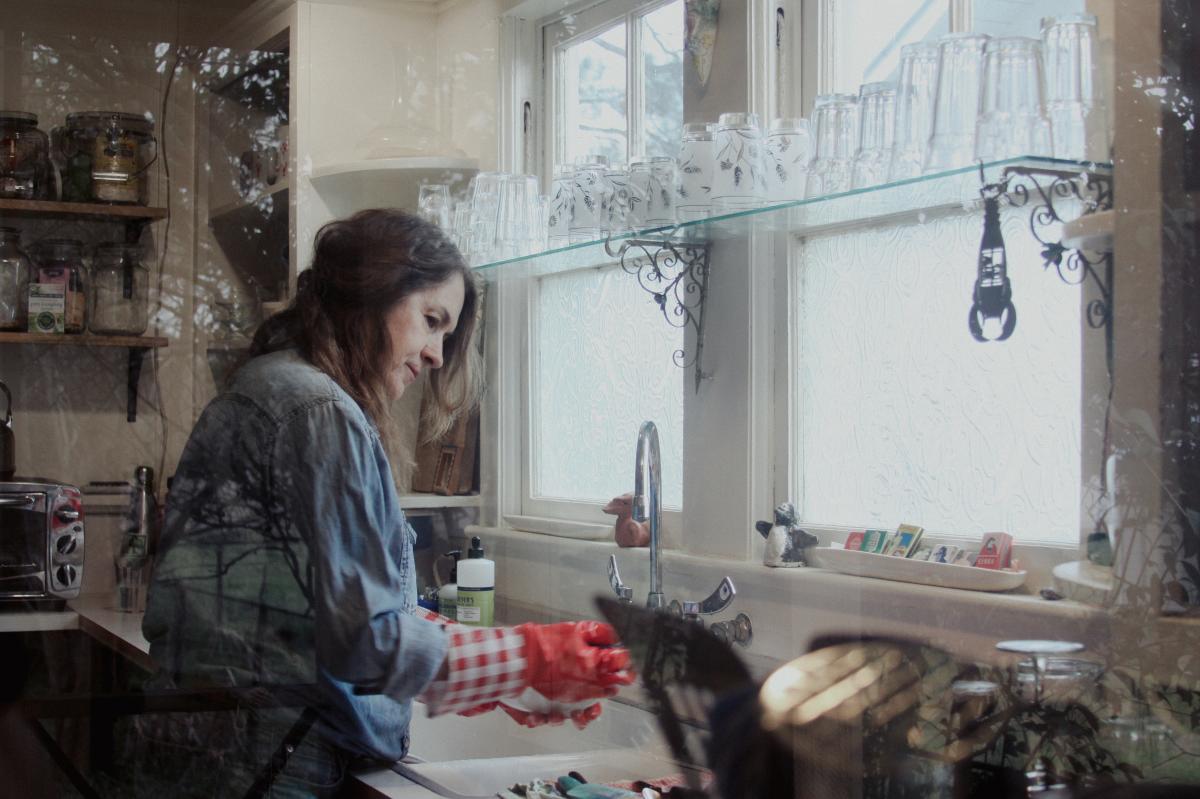
Image courtesy of Leah Graeff
Who in your creative community inspires you?
This is what I think about the art community here, that I live in, that I travel amongst: It’s a playground. If I were to decide to do an experimental or narrative film..it’s like, everybody’s got you. I think of Danny Devillier’s band camp [Good Time Rock Retreat], Caroline Helm's singer-songwriter thing [Nue Moon Revue].
I just feel like this community is accepting, honest, and gives you freedom. I just feel very safe to experiment and put myself out there. I tell this to my students all the time.
I get inspired every time I go into a museum. Being around other artists, seeing them in their element doing their thing. Sort of like the kid in the back of the station wagon seeing Elemore Morgan painting on the side of the road. It’s permission. Seeing other people doing it, having fun doing it.
Describe your perfect day in Lafayette – what are you doing, where are you going, what are you eating and drinking?
I’m gonna go swimming. I've got to swim my laps, and that’s at Bourgeois Hall at UL Lafayette. Something physical, to clear my mind. Then, a good cup of coffee at either Five Mile or Carpe Diem. We have some really good coffee in Lafayette. Then, I’d sit somewhere outside and read a while. Drinks with friends later – I love happy hours. I know when all the specials are, everywhere! Tuesdays at Vestal, all bottles of wine are half off. Tsunami has their specials on sushi and drinks. At Spoonbill, on Wednesday nights, their bottles of wine are half-off until six. Spoonbill is awesome, too, for their outdoor seating. Pamplona is always fun, and I feel really safe there. They’ve taken care of me during Festival International when my shin got busted by a man’s cowboy boot (laughing). Pamplona is also good about being open after AcA performances downtown, and knowing what programming is going on. Having a nice dinner, maybe sharing a meal. Another thing about this community, is we show up at each other’s stuff. So if there’s something to take in I’d do that, whether it’s dance at Basin Arts or an art exhibit at a gallery or museum like the AcA or The Hilliard.
To read more about Conni Castille and her work:
- 620 McKinley St.
- (337) 482-6400
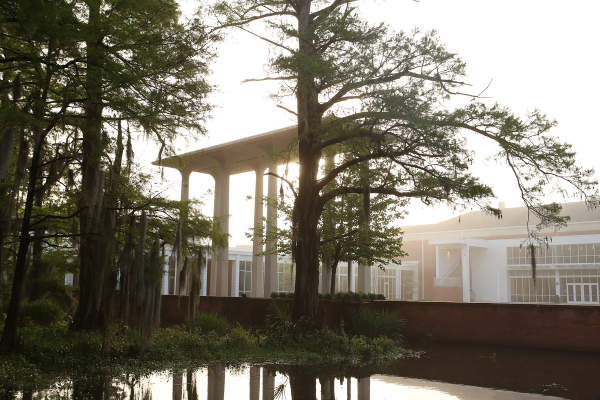
UL's Student Union can be reserved for private events. Boasting 40,000 sq. ft. of space, this is the perfect venue for your next event. Ample covered parking available. Overlooking UL's Cypress Lake adds to the ambiance.
- 555 Jefferson St.
- (337) 534-0682
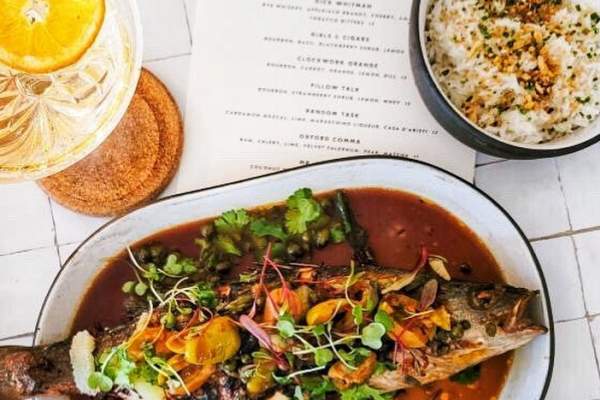
Vestal is the latest culinary venture located at 555 Jefferson, is housed in what was formerly Antlers, the oldest bar in the city of Lafayette, and is an elegant, modern space where diners can enjoy sustainably sourced fare alongside fresh Gulf seafood and a craft cocktail…
- 900 Jefferson St.
- (337) 534-0585
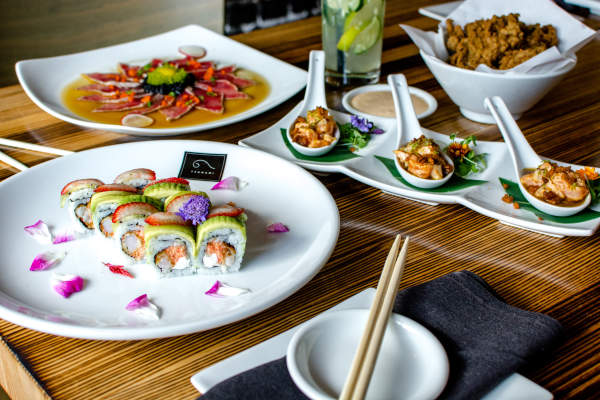
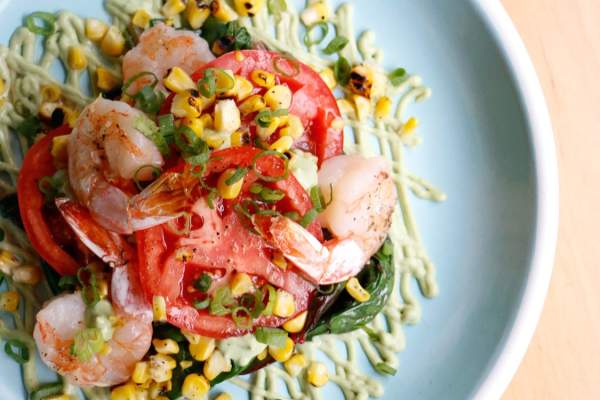
The path to establishing Spoonbill Watering Hole & Restaurant is a curvy country road. It originates in the days of the Olympic Grove pizza truck when Stephen Verret and Jeremy Conner brought games, chill vibes and tasty pizza pies all over town. Stephen, while having little…
- 631 Jefferson St.
- (337) 232-0070
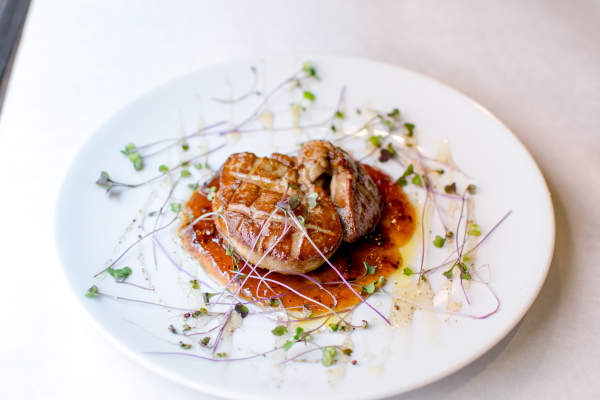
Hemingway, bullfighting, and flamenco married with superior Spanish wines and luscious small bites fashion a sophisticated culinary oasis in Downtown Lafayette. Cocktail hour all day Wednesday and Tu-F 2-7 p.m. We cater!
- 101 W. Vermilion St.
- (337) 233-7060
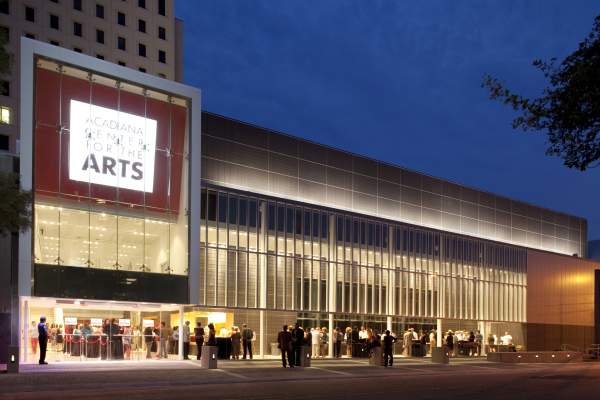
The AcA is a central hub of cultural life in Acadiana. AcA incorporates museum-quality galleries, an arts education center, a broadcast venue, workshops, conference and office spaces and modular theater with adaptive acoustics.
- 126 S Buchanan St
- (337) 718-5008
An Arts Center that creates opportunity for artistic expression across generations through dance classes, art classes, visual arts residencies, gallery programming and special events; all aimed at enhancing the artistic identity of our community.
- 710 E Saint Mary Blvd.
- (337) 482-0811
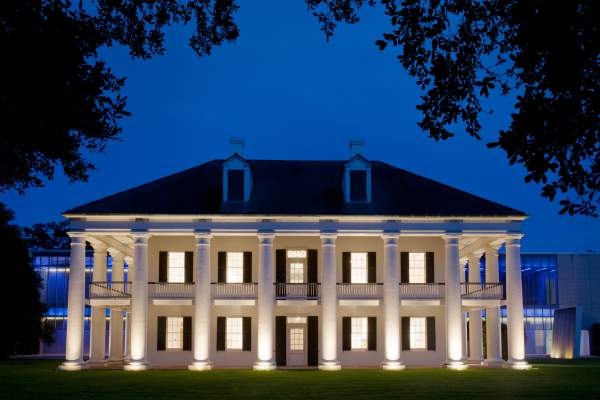
The Hilliard University Art Museum is a dynamic, education-oriented museum that serves as a center for interdisciplinary learning. Exhibitions and programs are designed to meet the educational and cultural needs of Louisiana's highly diverse population and to foster intellectual…
- 520 Parkway Dr.
- (337) 332-6655
Always held the first full weekend in May (Friday-Sunday). Crawfish-Crawfish-Crawfish: over 30 Cajun, Zydeco & Swamp Pop bands on 3 stages. Shopping, food, dance contest, demonstrations, carnival, parade and more. Fun for the whole family.
- 1301 Grand Pointe Ave
- 215 E. Convent St.
- (337) 234-2422
One of America's premier venues for roots music from around the world. This world famous honky tonk is a home-grown place where all kinds and sizes are welcome, the Saloon is more than a venue or a gig. It has become a meeting place where world travelers, community organizations…