


Since 2011, Erica Fox has poured her heart into Maison Creole de Freetown, the African American history museum she manages in one of Lafayette’s historic neighborhoods. The museum began as a way to honor the Indigenous people of this region and create space for Black, Indigenous, and persons-of-color artisans through a small cultural co-op called the Attakapas Collective . What started as a modest downtown gift shop quickly grew into something bigger. Visitors weren’t just browsing; they were staying to talk, share memories, and ask questions about the stories behind the art. That’s when Erica knew the community needed more than a shop. It needed a home for its history.
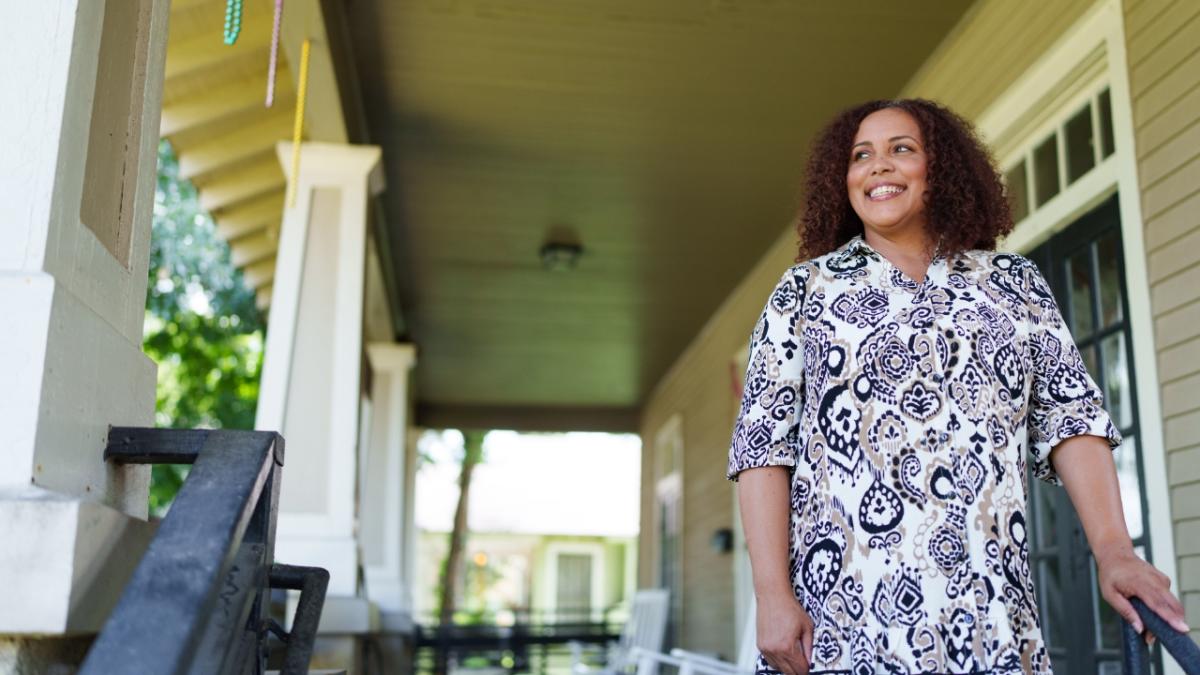
Today, that home sits in Freetown, a nationally registered historic district steps from downtown. The neighborhood was once a place of belonging for emancipated enslaved people and free people of color, a refuge on the backside of the old Mouton plantation. Artists, musicians, and immigrants built lives in this space, and Erica says the museum is rooted in the same creativity, resilience, and community.
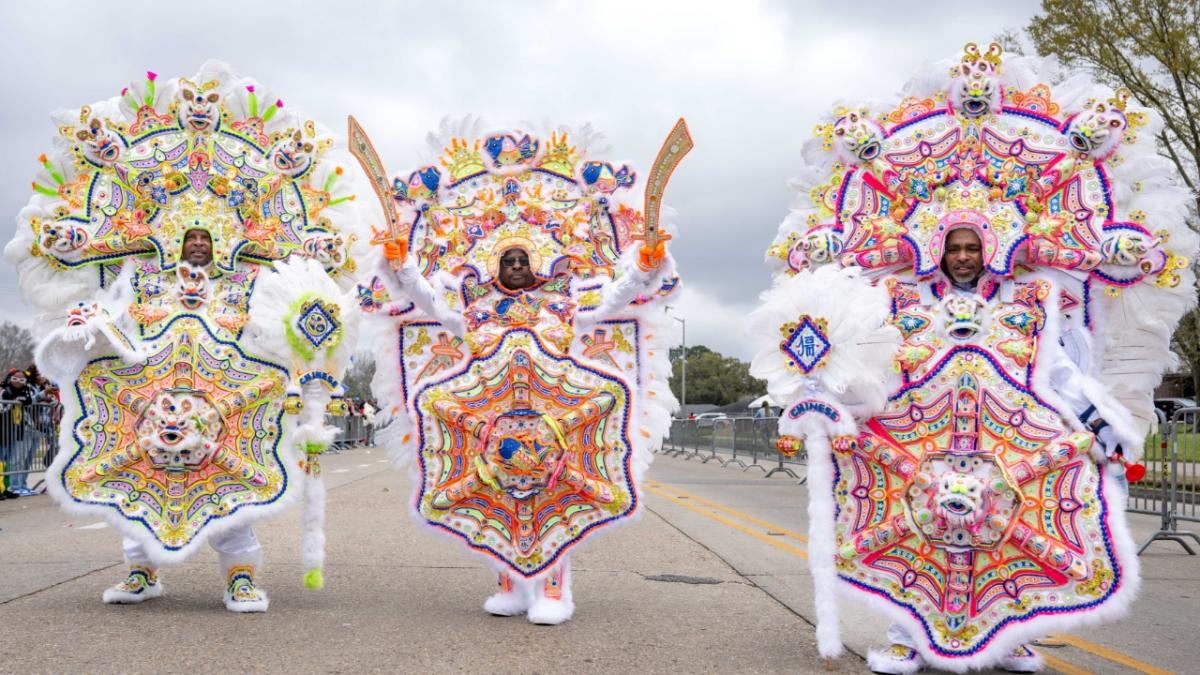
Inside Maison Freetown, the collection is shaped almost entirely by local hands. Visitors find Mardi Gras beadwork, Creole and Cajun music history, handmade quilts, masks, and artifacts uncovered during archaeological digs on the property. “It’s like the land wants to tell its own story,” Erica says. And the stories aren’t limited to the house itself. Guided walking tours wind through the neighborhood to places like Martin’s Hat Shop, historic tourist homes listed in the Green Book, and Good Hope Hall, where Louis Armstrong once played.
Erica’s love of storytelling goes back to childhood. She grew up dancing and performing and spent hours flipping through records with her dad at House Rocker Records. Whether through movement, music, or the museum, she’s always drawn to the way stories connect people. That passion fuels her work and it’s why she lights up when visitors walk in and say, “I didn’t know this place existed.” Being tucked into the neighborhood is intentional; she wants locals to feel like the museum belongs to them as much as it belongs to the artists whose work lines the walls.
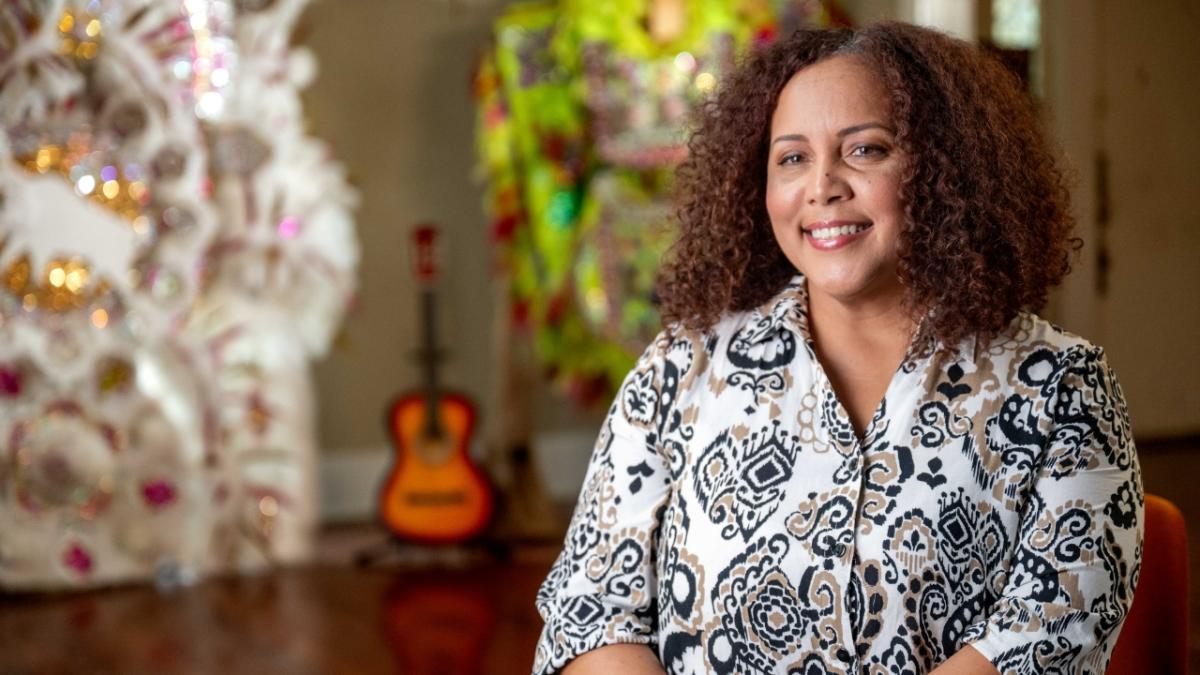
Looking ahead, Erica hopes to create a larger, more open space dedicated to visual art so that local artisans have room to display and teach. But she’s also learned to slow down and appreciate the process. “I used to be really uptight,” she laughs. “Now the goal is to enjoy the journey and keep telling great stories.”
The work has changed her in ways she never expected. The museum wasn’t part of her original plan when she moved back to Lafayette from Los Angeles, but she saw a need for representation and stepped in. “Instead of asking why it didn’t exist,” she says, “I decided to be the change I wanted to see.” That decision reshaped her career and her outlook. She now sees possibilities everywhere and wants others to feel empowered to build what doesn’t yet exist.
Maison Freetown continues to collect stories, more than 400 so far, archived in the Library of Congress, so future generations can learn from the past and contribute their own chapters. And for Erica, that’s the heart of it. “This is an African American history museum, but it’s American history. It’s all of our history.”
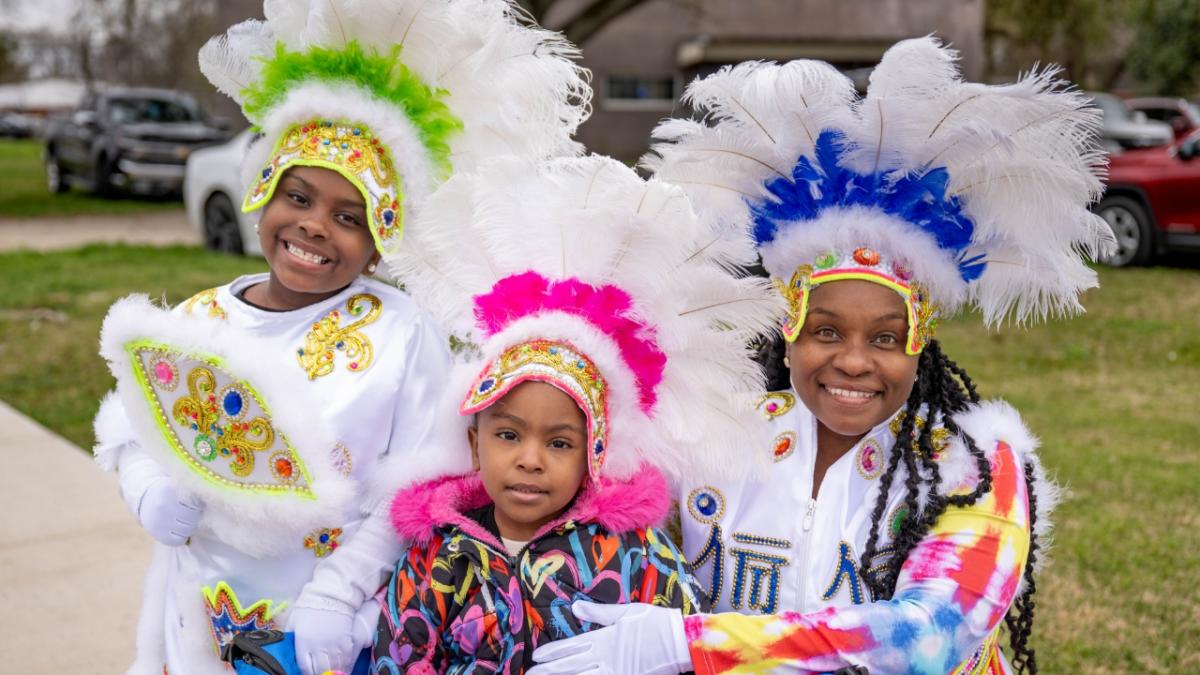
It’s fitting, then, that one of the neighborhood’s most important stories is tied to Mardi Gras. Freetown was home to Lafayette’s early Black maskers, who gathered on Gordon Street before parading through nearby neighborhoods. The artisans who helped shape that tradition lived right here, another reminder that the culture of this place is woven from many hands.
At Maison Freetown, those hands, stories, and histories are still very much alive. And thanks to Erica Fox, they have a place to be seen, honored, and passed forward.

