


- What excites you about your art? What sort of reaction or response do you love to get from people viewing your art?
- What is the best kind of photography?
- What is your artistic/photography style?
- What are projects that you’d like to work on in the future that you haven’t had the time to work on?
- What has creating art done for you personally? How has it changed your quality of life?
- What type of photography/photographer inspires you to want to do more and better work?
- What is your typical day as a landscape photographer?
- Tell us about Swamp Base.
- Tell us about Alligators.
- Tell us about the swamp.
What excites you about your art? What sort of reaction or response do you love to get from people viewing your art?
Back to Top of List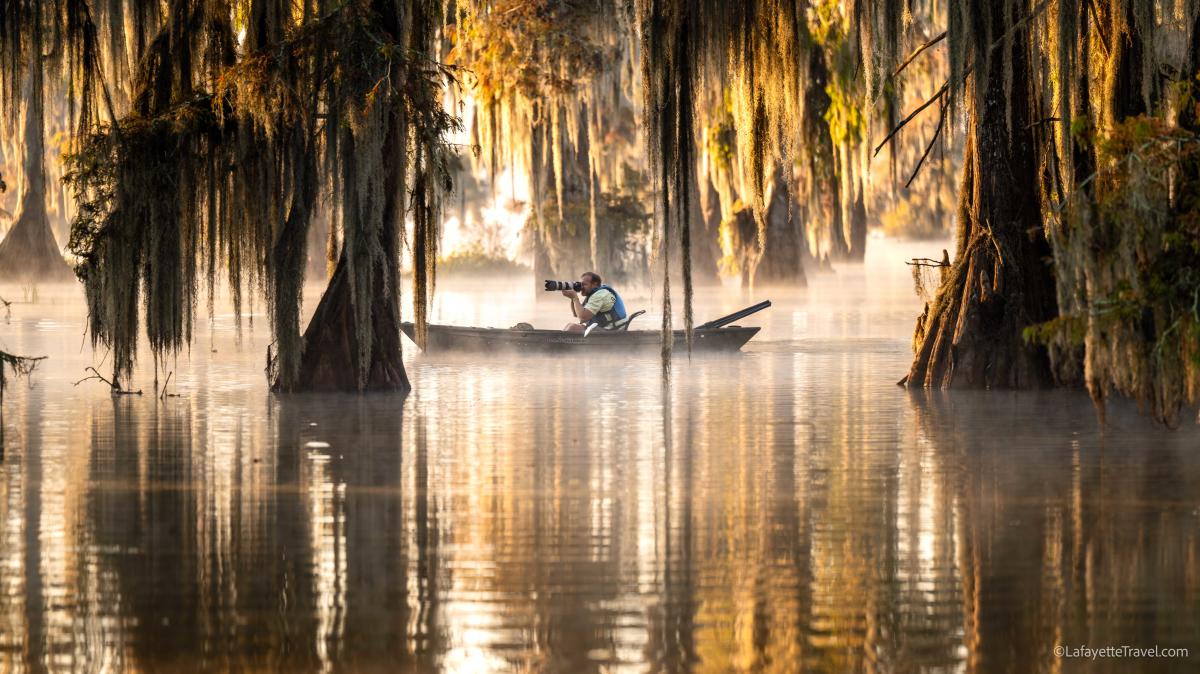
When I'm on the water looking for compositions. You know, I'm always trying to find something that's a little bit different for me. And so I'm always kind of driven by a little bit of that adrenaline rush, maybe that dopamine hit to find something that I'm inspired by that I think will be something that maybe changes someone else's perspective of the swamp environment. But I don't shoot, you know, images for other people. I like to capture images for myself and that's the kind of the number one goal. However, I do love hearing other people's responses to my work, and my favorite responses are always ones that tie back into some really deep memory for them. That was so important. You know, maybe it was a thought about fishing with their granddad or going down to their camp with their family. And if it brings back those kind of emotions for somebody, those are the best kind of responses. I can hear about my images and not the reason I go out there, but man, it's so rewarding to hear people have a deeper connection to the images that they see from me.
What is the best kind of photography?
Back to Top of ListWhat is your artistic/photography style?
Back to Top of List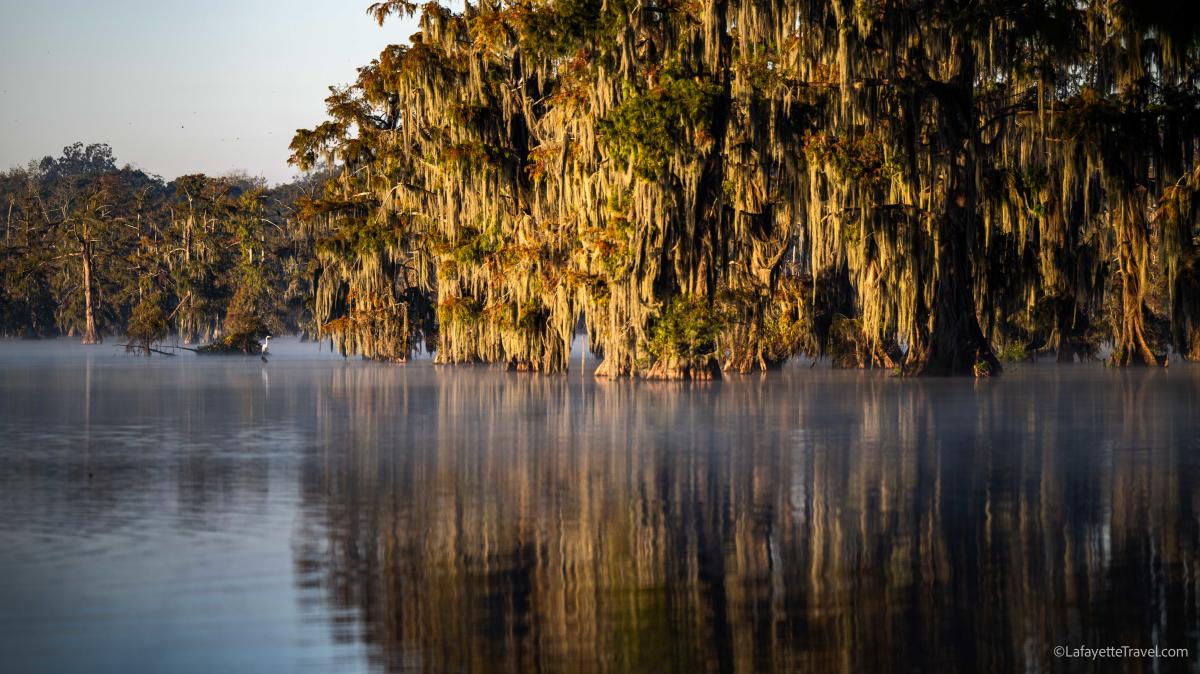
You know, my photography style is primarily been swamp landscapes. It's what I've gotten a little bit more recognition from over the last several years. And I love that I'm recognized as a swamp photographer. There's a very small community of people who love getting out in this environment and capturing this scenery and to be able to represent my home, Acadiana. To represent the state of Louisiana, our most iconic environment, and be an ambassador in that kind of way is something that I take to heart, and it's something that I really cherish. Every time I get on the water. I want to make sure that I capture images that best tell the story of our landscape here in Louisiana.
What are projects that you’d like to work on in the future that you haven’t had the time to work on?
Back to Top of ListWhat has creating art done for you personally? How has it changed your quality of life?
Back to Top of ListWhat type of photography/photographer inspires you to want to do more and better work?
Back to Top of List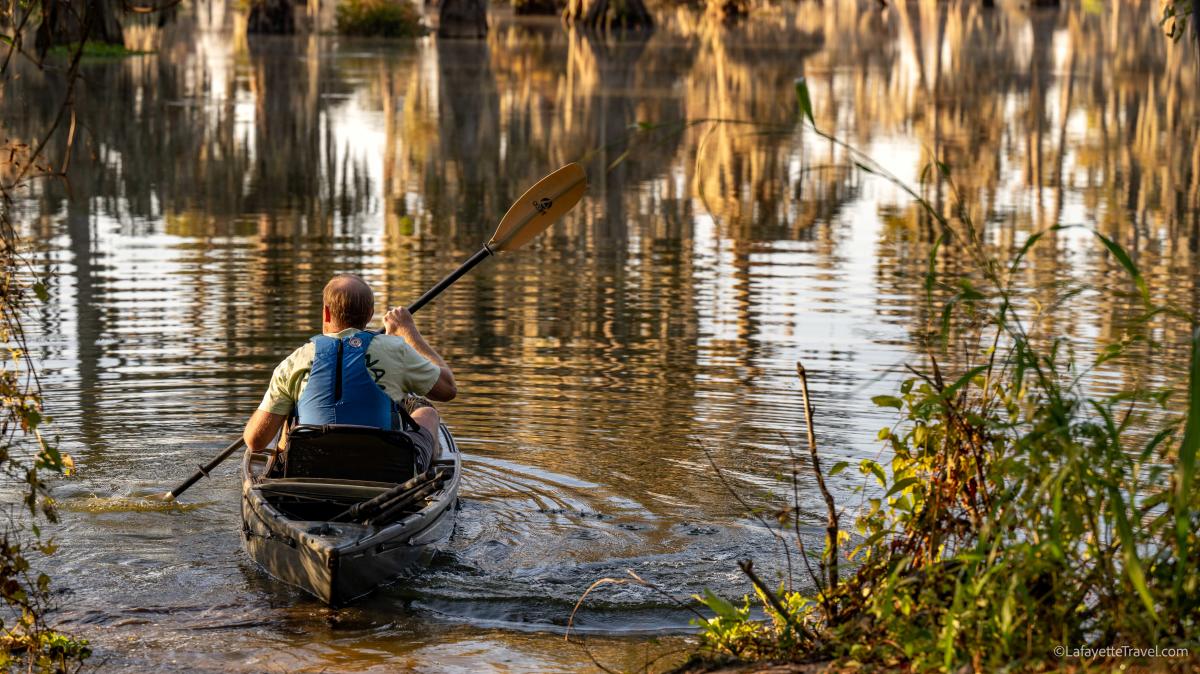
The kind of photography that inspires me are images that I'm jealous when I see them. It’s those images that I was like man, I wish I had been out there that morning or I wish I lived in that location to be able to capture that. As a landscape photographer we have the whole world as our palette and when I see an image captured especially locally that I miss out on that I chose to sleep in that morning those are the ones that really really inspire me to get out there the next day and capture those images. The kind of images that inspire me are those images that someone else captured. It's the ones where I wish I had slept in and, you know, instead got out there early in the morning and got on the lake here, like at Lake Martin or the Atchafalaya, somewhere here in Acadiana. I was the one who was able to capture that image. However, I'm really always proud of those people who choose to make that decision to get up or stay out late to capture those images because they're inspiring someone else as well. Those are the ones that are always the toughest. But I love seeing local people take a chance at capturing this image and challenging themselves. For me personally, other artists that have inspired me, photographers in the area are the two kind of what I would say, the grandfathers of swamp photography here in the state. CC Lockwood being one who really opened up this environment back in the seventies, and then Greg Gerard from St. Martin Parish, who was a great Atchafalaya photographer, both of those men really inspired a whole plethora of photographers to get out here and capture their own swamp landscapes.
What is your typical day as a landscape photographer?
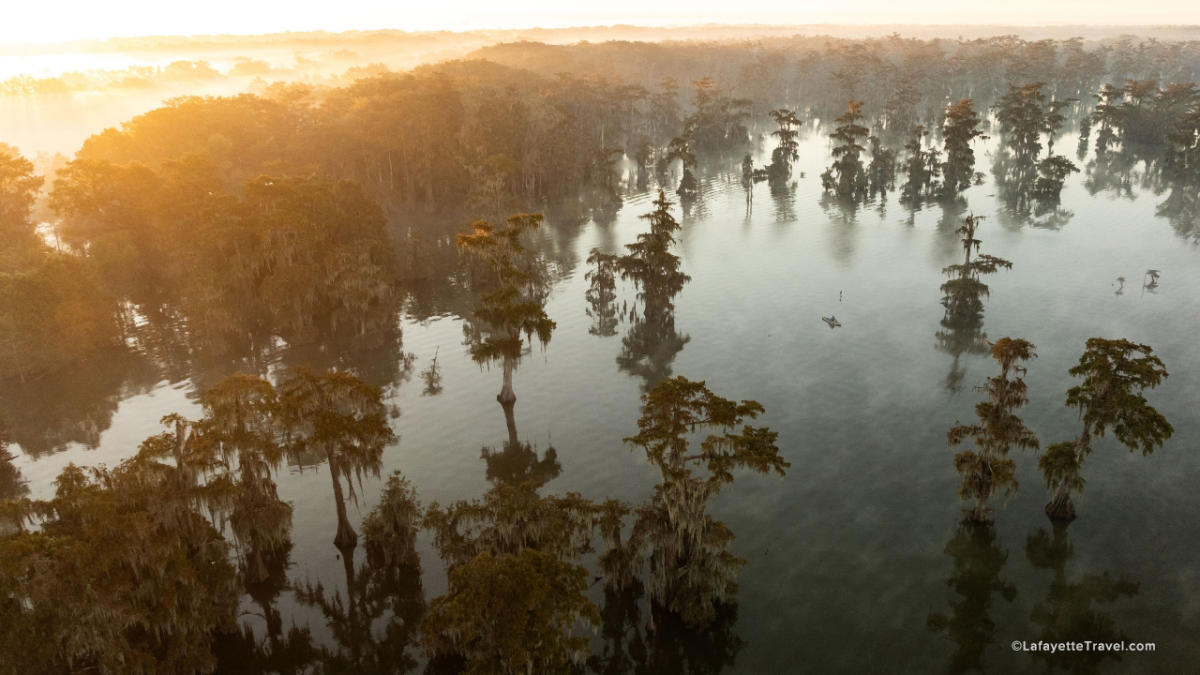
Back to Top of ListMy typical photography process starts more than just the day of the shoot. It's actually a week or maybe even two weeks prior. I start to think about what are the type of goals I want to set for myself, what images are my looking to create, how can I expand my portfolio? And the number one thing for me prior to ever getting on the water is looking at the weather and not just whether it's going to rain or not, not whether it's going to be cloudy or not, but looking at wind being on the on the water. Wind is probably my number one factor. I want to make sure that I have opportunities to paddle a nice glassy water if I can. That's my, you know, my desire, because that way I can get some really beautiful reflections. So I'm looking at what locations are going to be best suitable for the weather conditions that are coming up. When I actually approach that day, it's about getting on the water really early, so I got to set that alarm as early as I possibly can to the point where I should be groggy when I'm getting in the truck because I want to be on the water as early as I can. My goal is always be on the water about 45 minutes in advance. And that way I can get myself into position for that best possible light. Hopefully, you know, crossing those fingers that there's going to be some mist on the water. And if I get those conditions, those are about absolutely perfect. And it's almost impossible not to make a beautiful image when you've got misty conditions and glassy water out in the swamp.
Tell us about Swamp Base.
Back to Top of ListTell us about Alligators.
Back to Top of List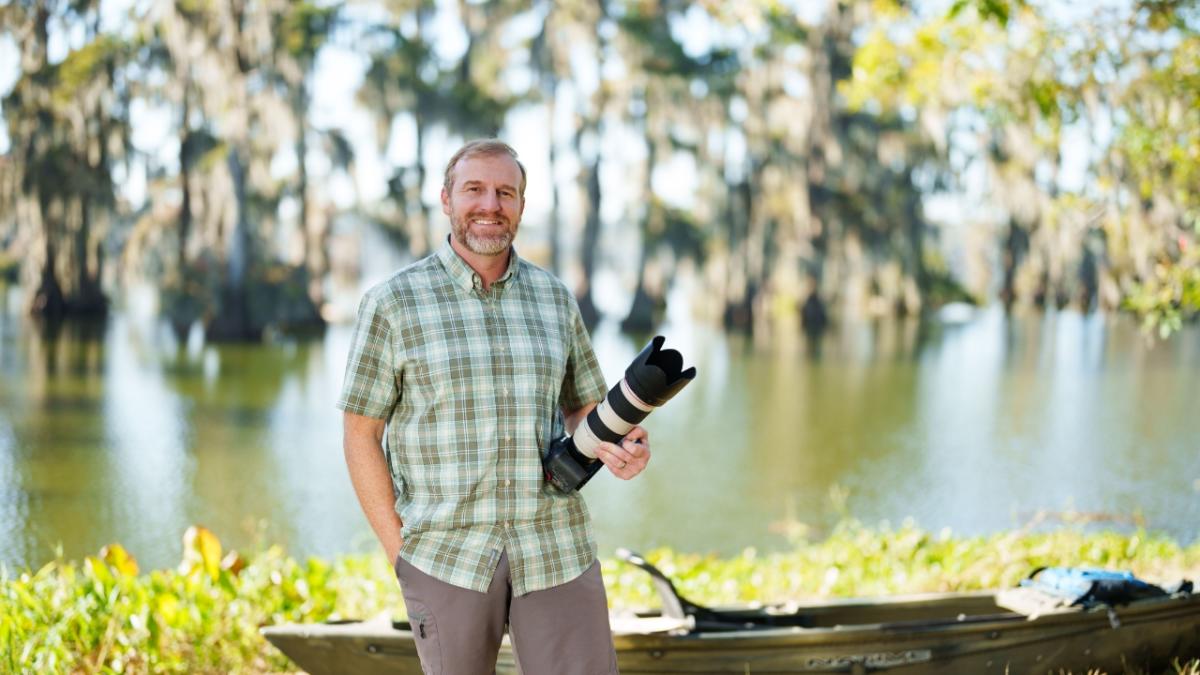
You know, when I'm on the water, I see alligators all the time. And actually it's kind of one of those things that if I'm not seeing them, I'm kind of missing the fact that they're that they're not there. A lot of photographers, even just the general public, are afraid of these creatures. And they are really beautiful creatures that are part of this habitat. I always get frustrated when I hear people say that a waterway or these swamps are infested with alligators. I mean, this is their ecosystem. We're actually the intruders. I've taken photographers from all over the world out into this environment and when we start off, usually as we're leaving the boat ramp, they're always concerned about the alligators trying to jump into the canoe or into the kayak. That's when they start at the end. By the end of that trip, we're chasing the alligators ourselves in those boats. They're wanting to get closer to them. They don't realize how shy they actually are. And to capture a beautiful image of an alligator is really difficult. So it's always kind of funny to see people arrive with a certain opinion and maybe a fear of this environment and then leave with a newfound respect and understanding of it.
Tell us about the swamp.
Back to Top of List


Lafayette Weekly
A weekly curated playlist by local musician Philippe Billeaudeaux featuring music by Lafayette, LA musicians with a weekly rundown of live music happening in and around the area…

Dwayne Dopsie
For Dwayne Dopsie, zydeco music has never been something separate from life; it’s been part of it from the very beginning. Growing up in a legendary musical family, he spent…

Lafayette's Summertime Guide
Summer in Lafayette is more than a season. It’s long days, cold drinks, live music drifting through the air, and time spent outdoors or somewhere cool when the heat kicks…

May Events Spotlight
If you want to spend time in the Hub City and know what events are happening, you're in the right place. We'll give you a rundown of live music and other monthly events…


