


- How did Maison Creole de Freetown come about?
- When did you decide you wanted to open the museum?
- Where is the museum located?
- What is the primary focus of the museum’s collection?
- What is a unique story or fact about Maison Freetown?
- Are there any special programs or guided tours for visitors?
- How does the museum acquire new pieces for its collection? How did the Attakapas Collective start?
- What is your earliest memory of being a musician/artist?
- What excites you about what you do?
- So where do you find your inspiration and ideas?
- What sort of reaction or response do you love to get from people viewing the museum or work?
- What are the projects that you would like to work on in the future that you haven't had time to?
- What is the main message you want your museum to convey to viewers?
- What goals do you set for yourself as a business owner, creator, and artist?
- What has your work done for you personally, and how has it changed your quality of life?
- Why is this work important and why do you keep it up?
- Who are you and what do you do?
- What is a significant fact about Freetown relating to Mardi Gras?
How did Maison Creole de Freetown come about?
Back to Top of List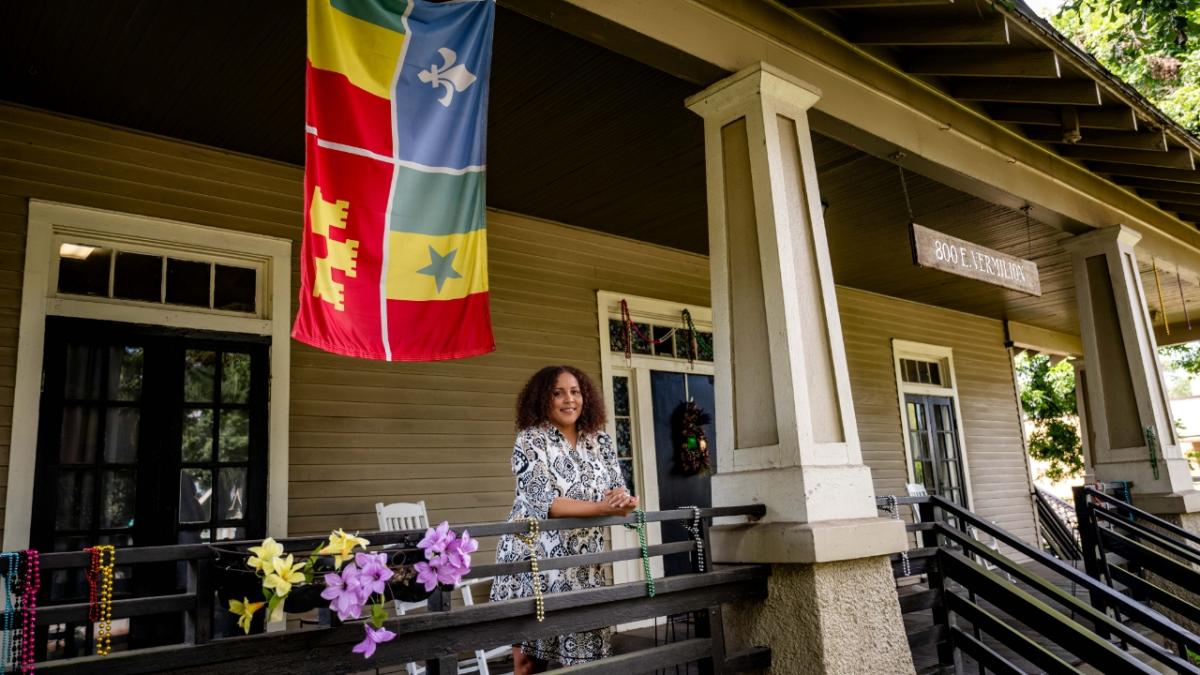
Maison Creole de Freetown, the African American History Museum that I manage, has been a labor of love for the last 14 years. We were looking for an opportunity to highlight cultural diversity here in Lafayette. It started as a cultural co-op, which was called “Attakapas Collective” to honor the indigenous people of this area. Originally, it was a small gift shop in the downtown area, but we quickly outgrew that space; we saw an opportunity to find another space where we could really grow and truly support not only the co-op shop, but the vision for the history museum as well.
When did you decide you wanted to open the museum?
Back to Top of ListWhere is the museum located?
Back to Top of ListWhat is the primary focus of the museum’s collection?
Back to Top of List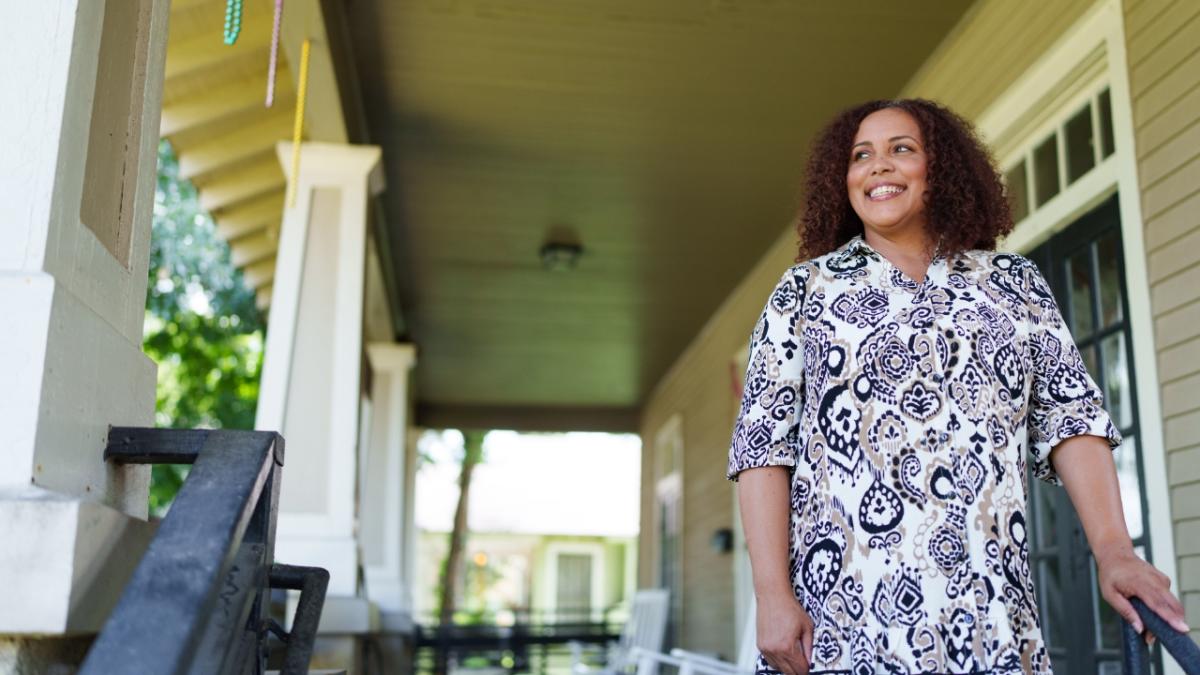
Our primary focus on our collection here is to tell the stories of underrepresented people in our community. We have archives that date back to the late 18th and 19th centuries that were actually dug up from the property, as well as historic places where we like to tell the stories of the people who occupied them. The primary focus of our collection is to give opportunities to artisans and creatives of our community. So much of our collection here is curated by the people within the city of Lafayette. We have maskers and Mardi Gras creatives that have beadwork on display. We’ve got Creole and Cajun music heritage showcased to highlight the linguistic significance of this area, as well as the musicians that have paved the way for many of our musicians in this community. We also have physical artifacts that were captured from the ground; it's like the land is wanting to tell a story too. So many things have happened on this property — there was a circus here, mayors have lived here, it was once a tourist home. So many lives have been lived in this house. Not only are the creatives and the artisans helping to tell the story, but the house itself is as well.
What is a unique story or fact about Maison Freetown?
Back to Top of ListAre there any special programs or guided tours for visitors?
Back to Top of ListHow does the museum acquire new pieces for its collection? How did the Attakapas Collective start?
Back to Top of ListWhat is your earliest memory of being a musician/artist?
Back to Top of List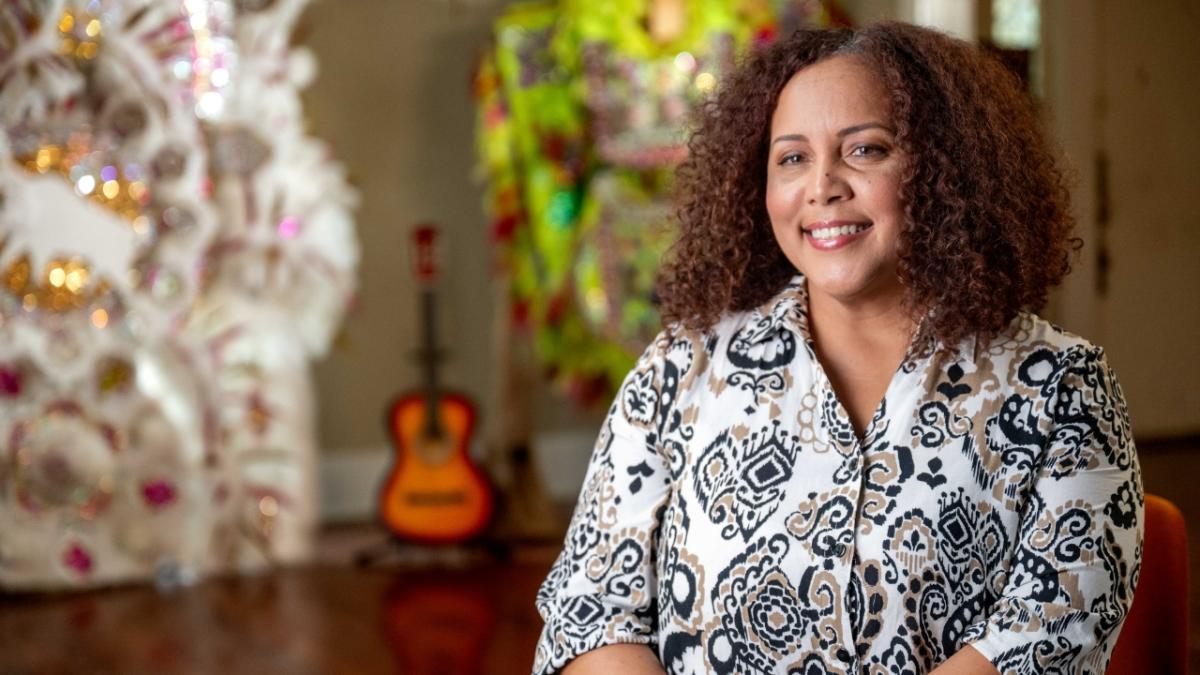
My earliest memory of being an artist and musician started at two years old. People know me for singing, but my first love was dancing. I was a gymnast at a very early age at Gerami’s Dance Academy. I would perform on stage, and something about telling stories through dance quickly grew into singing and music. Secondly, my dad would take me to the record shop, House Rocker Records, back in the day. Every Tuesday we would get new records and play those. So, I think I was introduced very early on to storytelling, whether it be through music or dance.
What excites you about what you do?
Back to Top of ListSo where do you find your inspiration and ideas?
Back to Top of ListWhat sort of reaction or response do you love to get from people viewing the museum or work?
Back to Top of ListWhat are the projects that you would like to work on in the future that you haven't had time to?
Back to Top of ListWhat is the main message you want your museum to convey to viewers?
Back to Top of List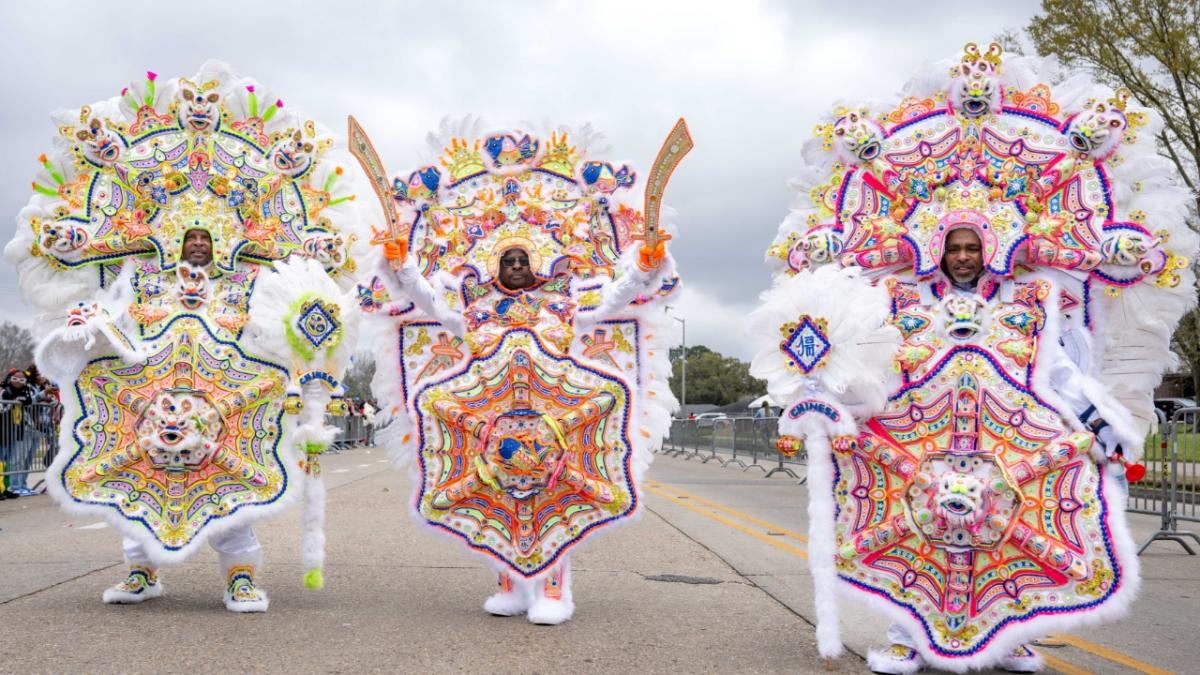
The main message I would love for the museum to convey to people is that it is a space for all of us to learn and to connect and to become closer as a culture. This space is an African American history museum, but it's American history, and it's all of our history. Most of the times when we showcase different exhibits, you'll find out that an African American person partnered with a Lebanese person. It was so many different peoples and cultures coming together, that created this place. We like to highlight some of those hidden stories that people may not know.
What goals do you set for yourself as a business owner, creator, and artist?
Back to Top of ListWhat has your work done for you personally, and how has it changed your quality of life?
Back to Top of ListWhy is this work important and why do you keep it up?
Back to Top of ListWho are you and what do you do?
Back to Top of ListWhat is a significant fact about Freetown relating to Mardi Gras?
Back to Top of List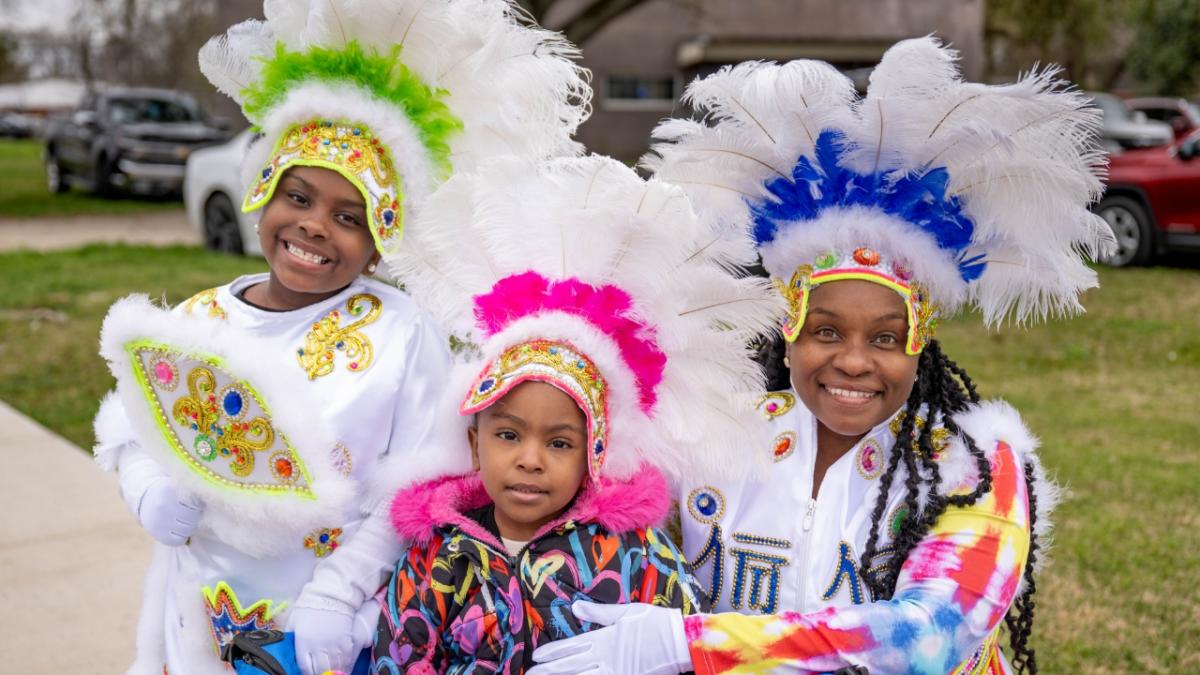
One significant aspect of Freetown is that this was where the Mardi Gras black maskers would meet and congregate during Mardi Gras time. They would collect and come together at the corner of Gordon Street and then parade throughout the different neighborhoods. However, this is where the artisans really started the tradition of Mardi Gras masking in Lafayette; it began in Freetown.


Corey Ledet
For Corey Ledet, becoming a musician started with a discovery close to home. He found his grandfather’s drum set and began hearing stories about the musician who had played…

A Guide to French Cuisine in Lafayette
Lafayette's cuisine starts in France, even if it took a detour through Nova Scotia, Spain, and Africa to get here. That heritage still shows up on plates around town, not just…

October Events Spotlight
If you're looking to spend some time in the Hub City and want to know what events are happening in October, you're in the right place. We'll give you a monthly…

Scenic Motorcycle Routes in Lafayette
Looking for scenic motorcycle routes in Louisiana? Lafayette makes an ideal starting point for exploring the back roads, bayous, prairies, and small towns of Cajun & Creole…


