Robert Dafford

Artist & Muralist

How do you describe your art?

Back to Top of List
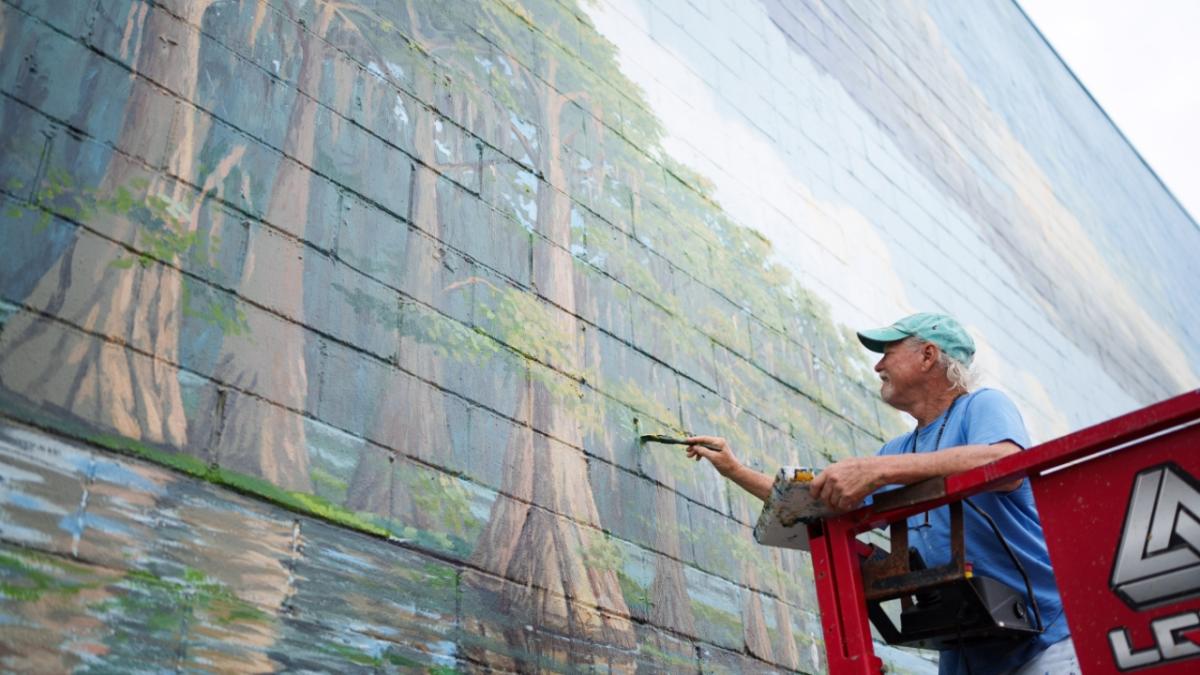
Well, I would say most of my work, of course, is big scale. Most of it is very big scale. It has a real physical impact on you. When you stand in front of it, you feel it. And I work a lot with the idea of transmitting positive energy, positive feelings, positive imagery, whenever I can. I think that's my personal, spiritual beliefs just have me feeling that it's a duty. There's so much, so many billboards for negative out there, and my job is to try to counteract some of that with positive as much as possible. I include positive energy in my work.

Robert Dafford - Artist / Muralist

What is your earliest memory of making art?

Back to Top of List
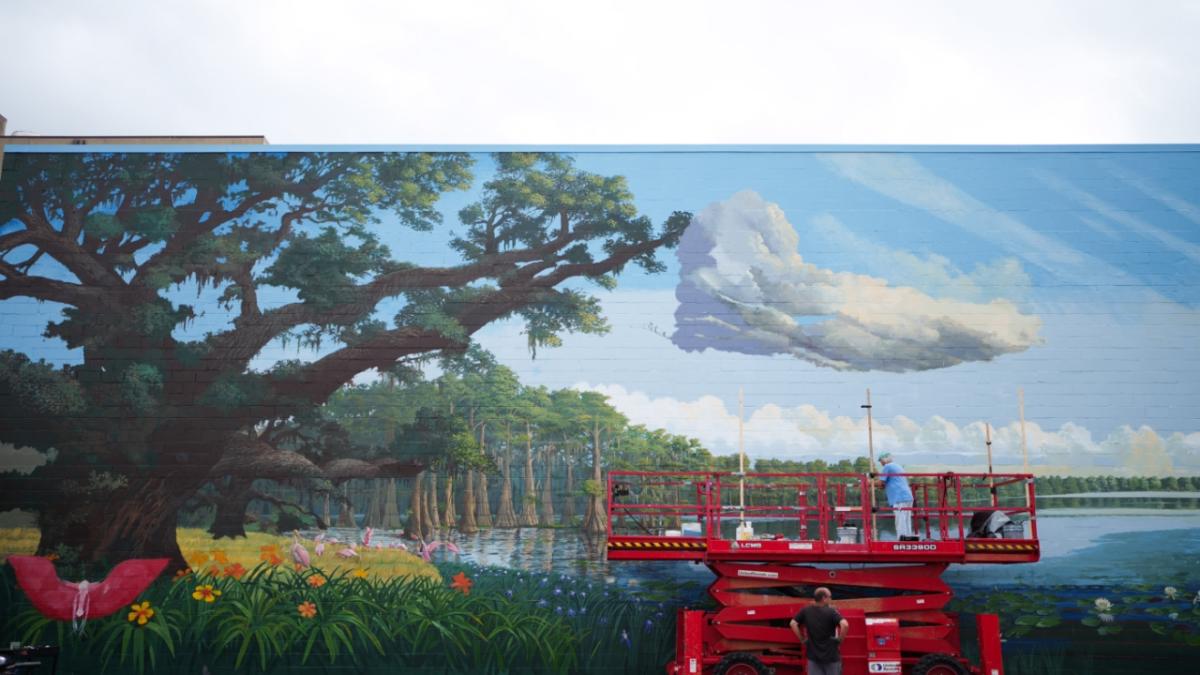
I distinctly remember being five years old and having these, illustrated storybooks that my parents had gotten for me and trying to copy, some Norse god in the sky on a flying horse. And it was an engraving which I realized the line quality of that was something I had never seen before in my coloring books, you know, and I was trying to duplicate that line quality. And in the middle of that drawing, I had the realization, it's going to take me 18 years to get this good. So I said, okay, I'm in. Because I wanted to be an artist.

Robert Dafford - Artist / Muralist

When did you decide you wanted to be artist?

Back to Top of List
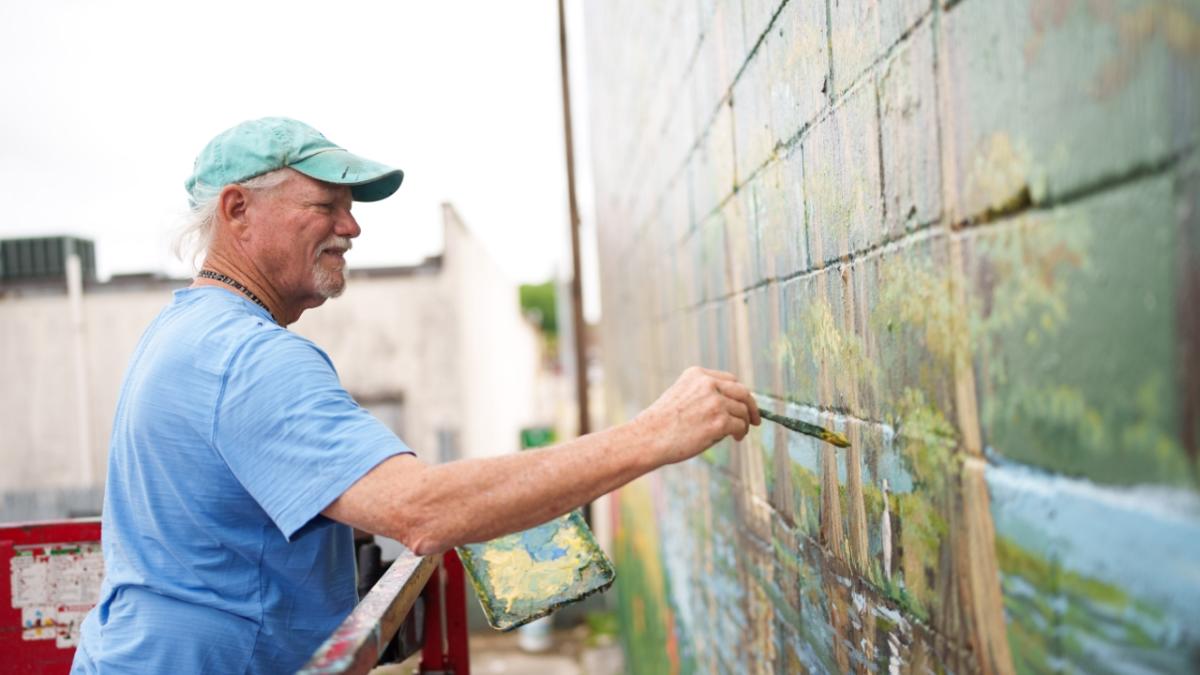
Now, when I was in high school, I discovered I could make money in the neighborhood by painting signs on buildings, and on trucks at a gas station or whatever I could do to make some money. We did. We did portraits and paintings and stuff in art class, and I sold a few paintings to make money. But painting on the side of buildings, got me going into the paint store. Beg some old, old painters to give me some advice on painting on brick, on concrete. And, I learned a little bit then, and I realized the signage I wanted to make was way more artful. The sign business in Lafayette in those days, in the 60s, it was still in the 40s. And the sign business was still in the 40s in the 70s, in the 80s. So in learning how to paint on buildings and trying to be more innovative, I found I had an aptitude and a desire for doing that, for painting big art. And I think what it was is my unrealized, as a young person, I didn't realize I had an ability and desire and a need and a duty to make big pictures, that transmitted what I thought would be higher culture, in an oil field, small town place that didn't have much culture. And I felt that that was something I was supposed to be doing.

Robert Dafford - Artist / Muralist

Where does the passion come from?

Back to Top of List
The passion that I had, just a burning desire to make big pictures, as well as I could as fast as I could in my 20s, my 30s, and my 40s, was tied up with desire, ambition, need, and wanting my town to be as hip as other big cities I had been in and seen great art. I wanted to make great art. So I had a passion to make great art. In the decades of doing that and in finding these big historical mural projects I got invited to; when I saw the people who lived there, being affected by the work, by seeing their history blown up, big, and people driving from California, from Ontario, Washington to Florida, coming to see those murals and those murals being about them and their history and them being proud of who they are, it gave me a different kind of a passion. I came to realize really, throughout the 90s that my early history in downtown development here in Lafayette, working to help revitalize our downtown, my early history in providing paintings about the Acadian exile, there was nothing that existed when the Cajun Renaissance started in the late 70s. There wasn't anything. And so I felt like it was my job to provide that. Over the decades and decades of providing people with their history themselves and them seeing the results of that being an actual attraction, having an actual economic impact on their little downtowns and their revitalization efforts gave me a different passion to want to help be a part of that. And I had a realization I'm really a community development person at heart. I have a different mission than a lot of artists follow in the mythos of the lone genius in the attic, creating something new. I'm glad we have that operating in Western culture, but it's not what I am. My passion is about developing community. Who we are, what we are. Let's be proud of who we are and what we are. Let's see what we can do as a people. And that's been more powerful than the desire to make great art, because that just kind of fell into place after decades and decades of doing the biggest and best work I could do. The passion is more about community development and that fits with this workshop I'm doing. Now I'm trying to help them go out and do that. 

Robert Dafford - Artist / Muralist

How do you feel when you finish an art piece?

Back to Top of List
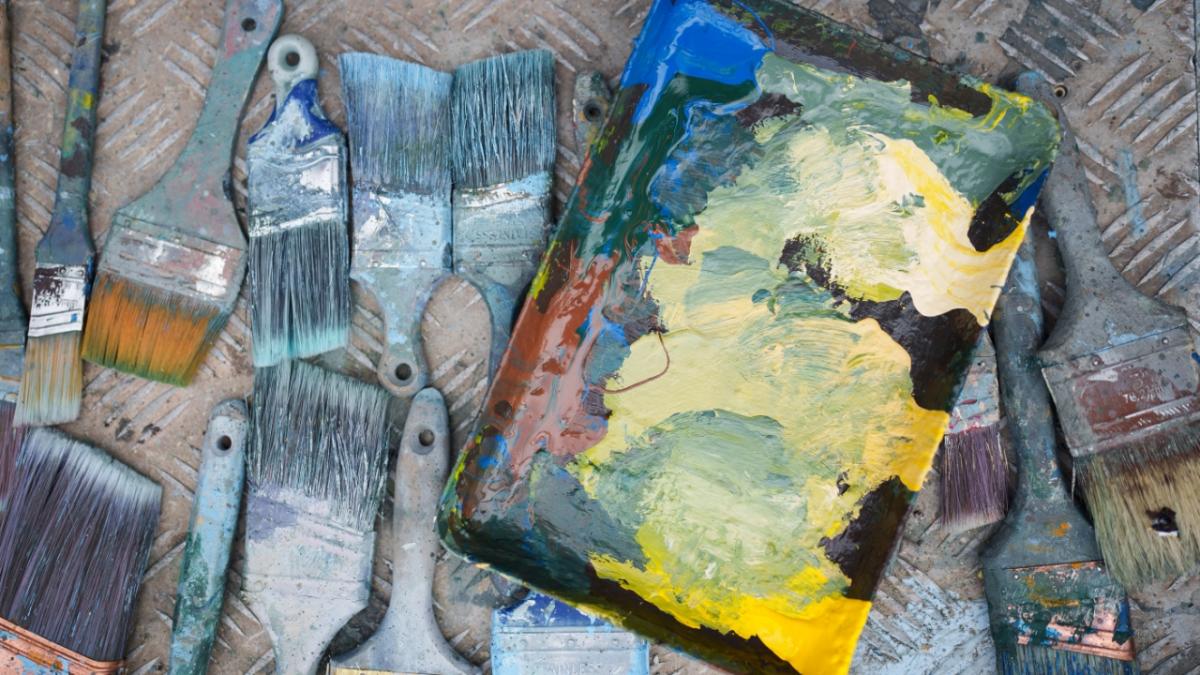
I came to realize about myself years ago, as long as there's budget, I'll keep painting on that piece. The important thing is to have the whole painting complete. It's not super developed here. We'll roll over here. My paintings are full of storytelling, you know, lots and lots and lots of information that we research and put in these historical murals. There's a lot to get brought up all to the same level. And if there were several others like it, they all have to be consistent somewhat at least. And when it's consistent, I can leave it alone because, as I said, if there was enough budget, I would keep painting that thing more and developing more and more and more and finer and finer and finer till the point that it looks fabulous and that over there looks real raw. And I realized I can't bring this whole painting up to the level that I would if I had unlimited funds. It led me to the realization that the thing is painting, creating and painting is the point. It's not what I'm painting and if what I'm painting is finished. The point is, okay, well, I got this done. Good. Let's go to the next one and I'll keep creating and painting on that one until it's consistent and I can go to the next one. So finished is kind of a fluid term. It depends on the context, the location, the need, how much development does it need. And when it's developed enough, I can leave it alone. When it's doing its job, it's exciting people. I can leave it alone. And get to work on another one. 

Robert Dafford - Artist / Muralist

What sort of reaction or response do you love to get from people viewing your art?

Back to Top of List
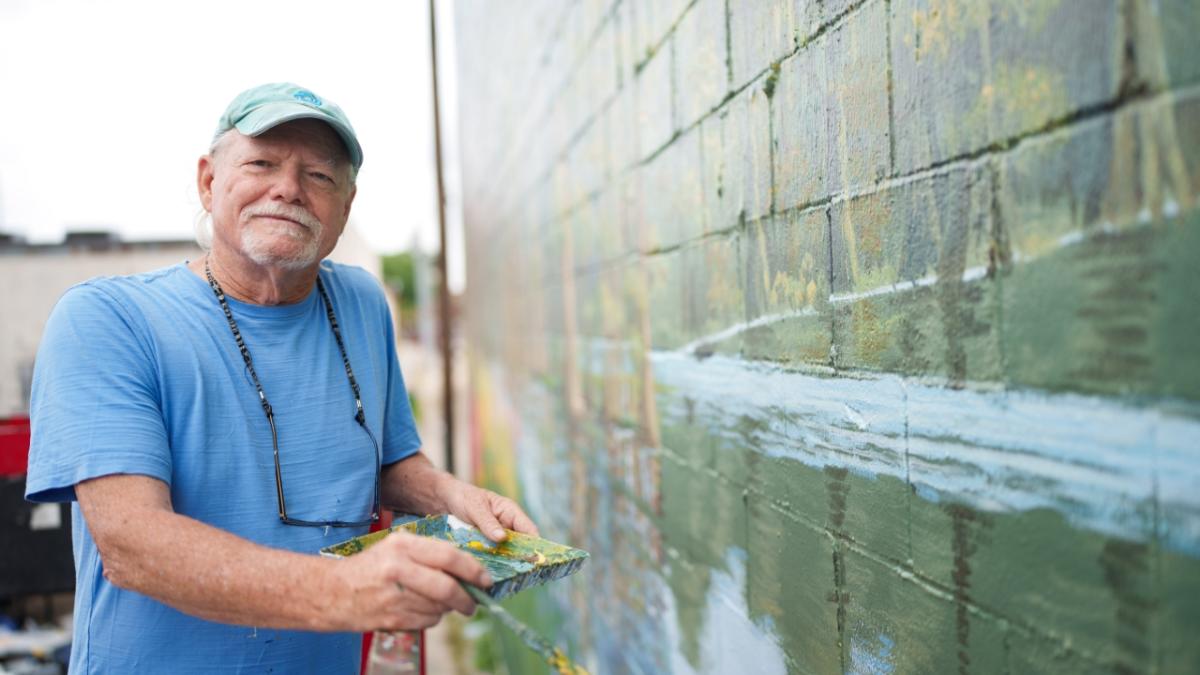
Well, there's several things, but, working in some of these downtown development projects, when you're standing there painting and you see a family or group of tourists walk up to a mural you did five years ago, and they're looking at it and they're just you can see them physically affected by it. It made me realize that, there's something tied up in the paint, some kind of energy that's active long after I finish. Seeing the reaction of the people means it's working. It's still working. And when a new one excites people, it's working. Because that's what is supposed to do, create some good feelings about being there, looking at art, realizing art's good, realizing art’s good for their city, realizing art is good for their attitude, their community. When that's happening, I feel like I've achieved what I'm supposed to be doing. 

Robert Dafford — Artist and Muralist

What are projects that you’d like to work on in the future that you haven’t had the time to work on?

Back to Top of List

While I would like to do, more multi-dimensional and more surreal kinds of work, hard to find clients who will pay for something beyond the scope of their existence and their business and their thinking and their clientele and their relationship with the community. Just pure imagination. You know, I do some private work or personal work like that, but, I'd like to do more, big-scale, multi-dimensional kinds of works. 

What has creating art done for you personally? How has it changed your quality of life?

Back to Top of List
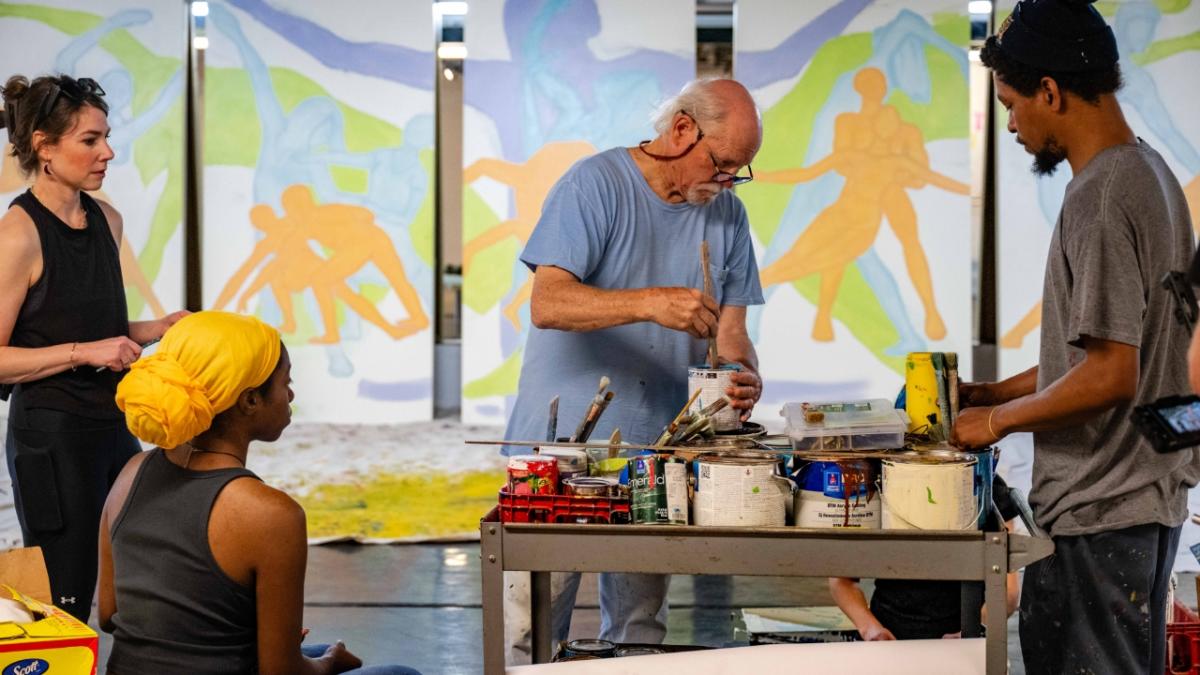
Well, realizing that my work is really about community and community development slowly changed my focus on why I do the work I do. Not how good can the work be, but why. How well can I make it become what it's supposed to become. That kind of comes with, I guess I started getting that really in my 40s and 50s. Was seeing it succeed has made me feel fulfilled. Seeing my abilities develop, fulfilled my need to be as fine an artist as I could be when I was young. I know what I can do, and I don't have that question. What can I do? I've fulfilled many needs from doing my work, and it developed me into who I am. And, I'm pretty happy with who I am. I mean, I still quest, still push, but, doing my work all of my life, I have grown into who I am and what I am and what my function is in this life. And I'm content on all of those questions. 

Robert Dafford — Artist and Muralist

What sort of message do you want your art to convey to viewers?

Back to Top of List
Well, most of my, almost all my mural work is socio political, and there are a lot of different messages, the importance of the industrial infrastructure that this city had and the importance of all of the people, the effect that it had on all the people that work there, all of their lives to create their city. The bird and butterfly mural I painted back in 1984 was response to a group of statewide big business people wanted to, fill in Atchafalaya Basin just fill it in and build, commercial, industrial, residential development throughout the whole basin. And I thought that’s a terrible idea. For one thing, it would be a disaster for the ecology of this region. So I painted that mural partly in response to the ongoing destruction of our environment. There's nothing left but a postcard that even a dragonfly can't get back into. That’s what motivated that mural. The car murals was to memorialize that that building was a parking garage in the 50s. That's why I painted 50s cars on it. There have been a variety of reasons for the murals that I've done, but they do all have a meaning. But there's too many to list. If they succeeded in exciting the people who were involved in having some effect on their involvement in their community and what they're doing, then that makes me happy. 

Robert Dafford — Artist and Muralist

What type of artist inspires you to want to do more and better work?

Back to Top of List
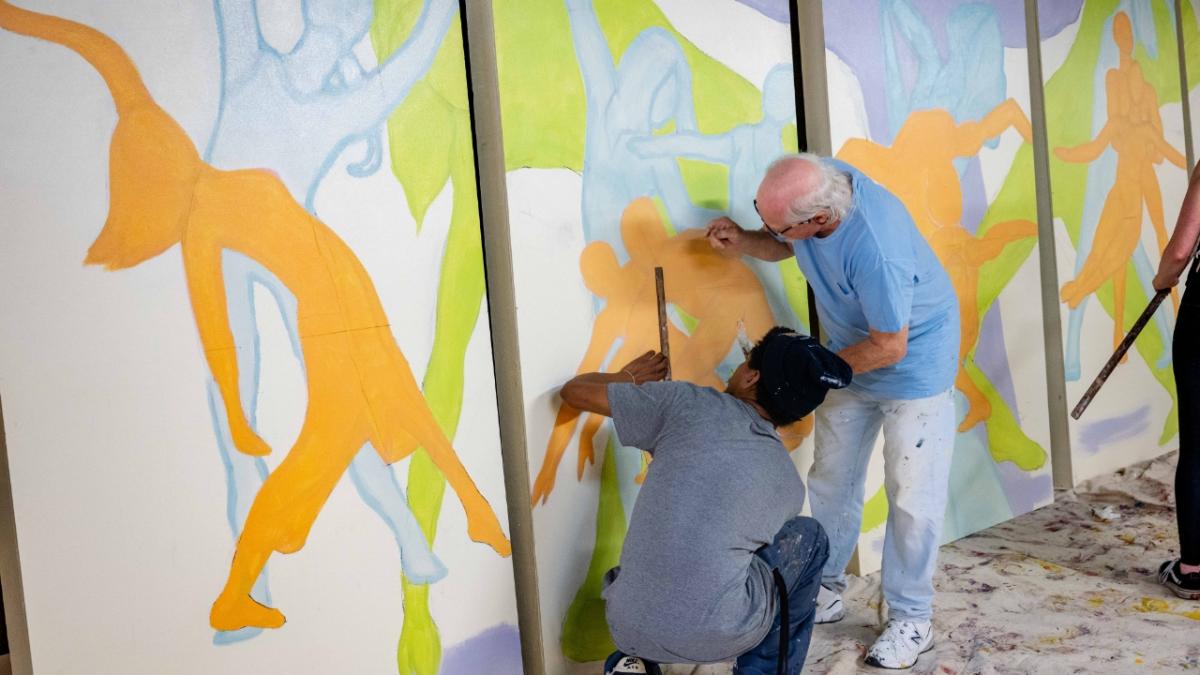
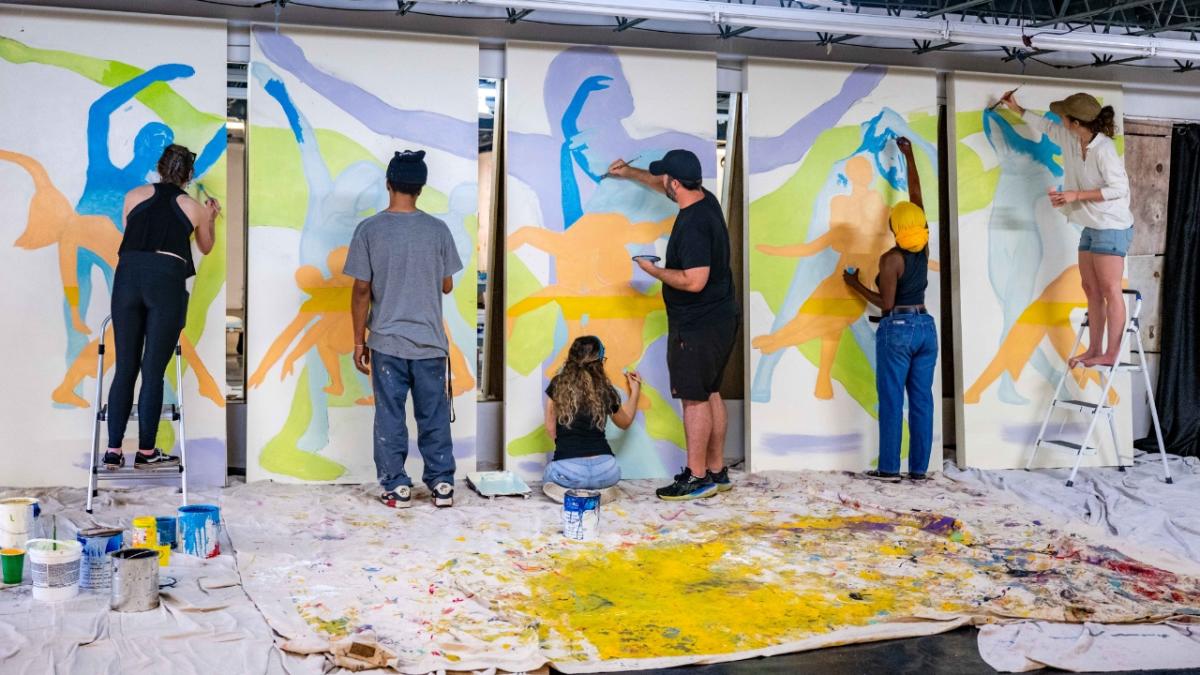
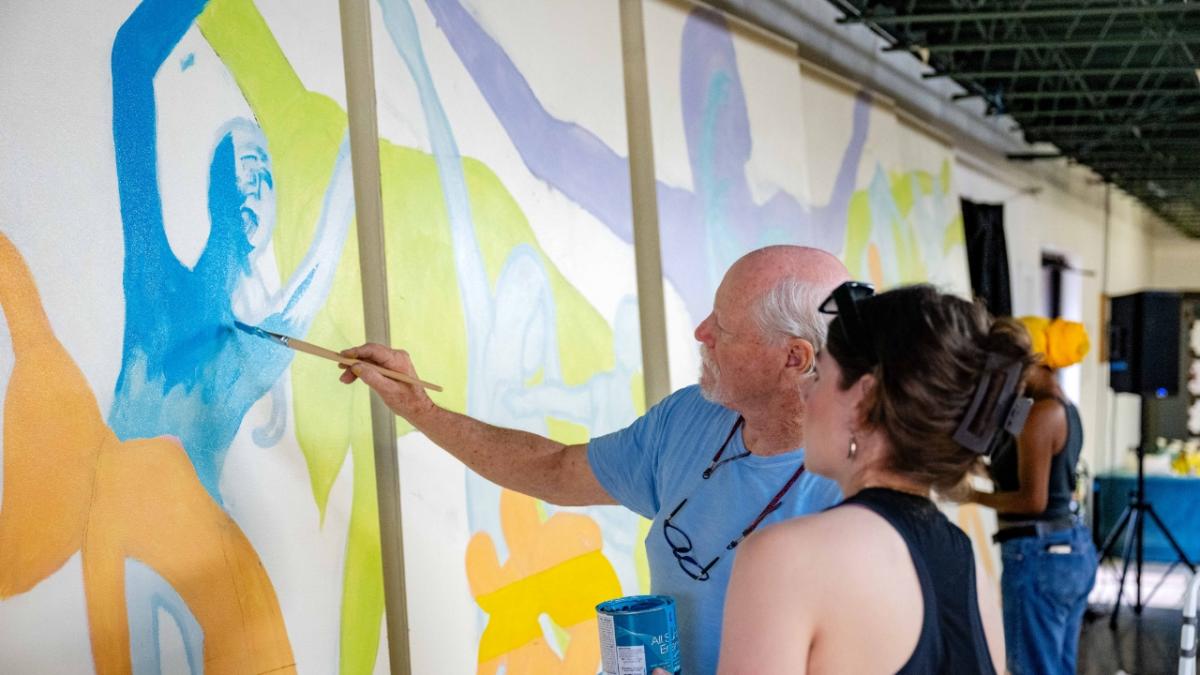
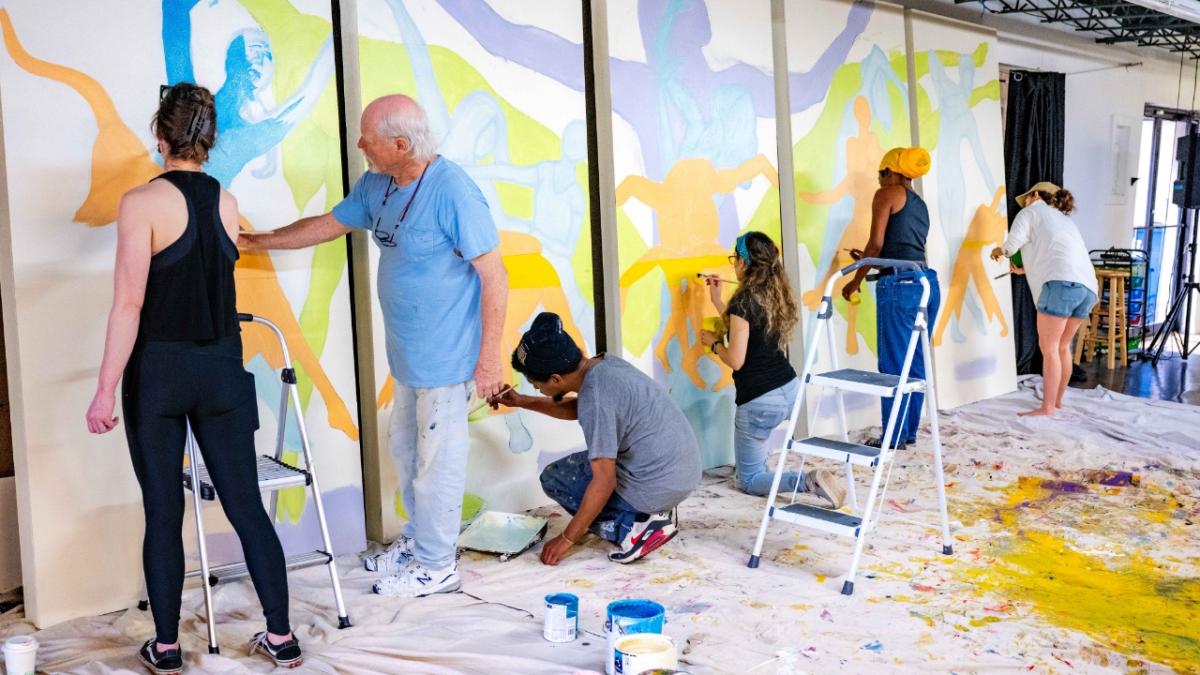
There are times I wish I were better at graphic development. Simpler or powerful statements. I mean, I guess Banksy would be at the top of that list. The New Shepard Fairey mural in downtown New Orleans is a pretty powerful graphic. My daughter Miriam, out in Los Angeles makes a huge, graphic mural, so I would like to be better at graphic design. As a personal painter it makes the modernists cringe, but I wish I could develop the skills that Maxfield Parrish had and his ability to channel visions of ancient civilizations on Earth into these paintings. I wish I had Andrew Wyeth’s skill with dry watercolor. I would love to have ten years to spend developing those skills. The goals have been to make the art as good as I can make it, but to make it be meaningful. The main goal I had is to make meaningful art. In the years I have to make art that matters, when communities scrape up their money to hire me to make something for them, I want to make something that they need to see. That's an ongoing goal. It's a goal to work with my daughters more. My daughters are both artists, and, collaborating with Basin Arts and with choreographers Cissy Whipp. The dancers, I showed my class how to do drawings. Figure drawing is really important in my work. Figure drawing has educated me and I told them that. We took their drawings and made the composition. They blocked in the composition, blew it up, and painted. The goal of teaching others how to do whatever they need to do to make their work better. That's a goal. But I guess my main goal remains in trying to make work that matters. 

Robert Dafford — Artist and Muralist

How has area/landscape of Lafayette/Acadiana influenced you?

Back to Top of List
There are a lot of aspects to the subject of being an artist growing up in Lafayette. First, physically, I mean, we have these oaks. They're stupendous beings. These oaks were surrounded with, and we don't have mountains. We don't have valleys and icebergs or cliffs. We have these giant oaks. And that's one of the things that affected me how to do that well. The swamps, the cypress forests, they're different than anywhere else. To me  they’re almost prehistoric. It takes me to, it cuts right through, you know, thousands of years of Western civilization. When I'm standing in front of a cypress forest and an alligator. I mean, these are ancient beings, and they affect me, in a way of, giving me a sense of timelessness and wanting to capture that is an important thing. The culture I grew up in, in Lafayette, the Acadian culture was really strong in my childhood. In the 50s, 60s, people still spoke French. There was French music, French food. Flash forward two years I was overseas. I spent four years in Greece, Italy, Spain, Northern Africa, and every time I come home on leave, I would see the people here in South Louisiana, really were the same culture as the people in southern France and southern Italy and southern Greece, and had that, feeling about, the importance of enjoying your life. Life is short. Have a good time. Stand up for your family, your friends, your work, your place, your town. So all that affected how I grew up. And what kind of person it made me. We're very lucky to have had this culture to grow up in. And it was almost lost. And, that gave me an impetus to participate in the Acadian Renaissance in the 70s and 80s, to be a part of it, try to help save it, because in the 70s, well, even in the 60s, mass American culture, fast food, television, radio, malls, cars, that aspect of American culture, commercial, monolithic, steamrollered every culture in America. And, I know there's a lot to be learned from the Italians and the Greeks and the Polish and the Mexicans and the French. We need to preserve all of that. That's who America is. We are all of these people, and we need to respect and develop those aspects that we have of each other. Growing up here gave me that from the inside out, you know, I saw it. I saw the foreign American oil businessmen come here and have nothing but disdain for the French people and the French language. And so we all grew up with the same kind of prejudice here. And, I understood that from the inside out. And it affected my need to work with, other cultures who were trying to say who we are, you know, who are we? What have we got? So it gave me a lifelong, lesson as a child to incorporate that in my feelings.

Robert Dafford — Artist and Muralist

Why is public art important?

Back to Top of List
I think it's important to have public art because it reflects the community, it informs the community. It enriches the community. It can be, like I said, a reflection of who you are and what you are here, what's valuable, what's important to you. And it also helps, in particular, an uneducated public. If they like this art, they're more likely to want to go look at some more art, and they're likely to become a little more aware of the fact that there are hundreds of thousands of artists working everywhere, all the time. A lot of the uneducated public has no idea that there are hundreds of thousands of jobs that artists do. They read the newspaper. No idea. 4 or 5 artists worked on putting it together, or the magazine, or their online content, or the car, or the clothes they're wearing, or the furniture they sit on, the house. Everything in our entire lives is designed by people, by artists. And, they get educated, they have jobs, they pay taxes, they do all of that so that every day they do everything everybody else does. We all pay our bills. But we're largely ignored by the general public. They have no idea that there are hundreds of thousands of artists working all around them all the time. And so they're oblivious to what it is that artists do for them. Public art can… It's so right there in front of you. You can't ignore it. It can help open that door to people who know nothing about art. If they like it, they might want to see more. And if they see more, they might learn more. So that's to me an important goal. 

Robert Dafford — Artist and Muralist

What words of advice would you give to a young artist just starting out?

Back to Top of List

I say, if you're if you're young and you're interested in art and you like drawing or you like painting, you keep at it, you just have to keep at it. You have to keep at it. You have to realize doing art is a job. It's a lifetime commitment, and it's rewarding as it can be. It gets difficult the older you get, the harder it is, because America is largely uneducated about the arts. And, they will make fun of you and give you a hard time. That's stupid. You're going to starve, blah blah blah blah. And so you have to develop a thick skin and you have to seek out other artists, make friends with other artists when you're young because you're all in the same group of people pushed to the outside. The center of culture in America's business. Businessmen don't generally care about art. Some of them do, and they will be the ones who will support you. But in your daily life, young artists need to make friends of other artists because they're going to be your friends throughout your life, because you're both going to be out there in the wilderness by yourselves a lot.

Inspiration Journal

Lafayette's blog showcasing the food, music, culture and history at the heart of Cajun & Creole Country.

See All Posts

Boris Fitzgerald

Our beloved Acadiana poet Darrell Bourque once referred to early America’s free-form poets as “marvelous rebels” for breaking the rules of traditional form and…

January Events Spotlight

If you're looking to spend some time in the Hub City and want to know what events are happening, you're in the right place. We'll give you a rundown of live music…

Getting to Lafayette

The city of Lafayette, LA is located in the center of Lafayette Parish at the intersection of I-10 and I-49 between New Orleans and Houston and only 35 miles north of the Gulf of Mexico.

Learn More