Acadian Cultural Museum
Back to Top of List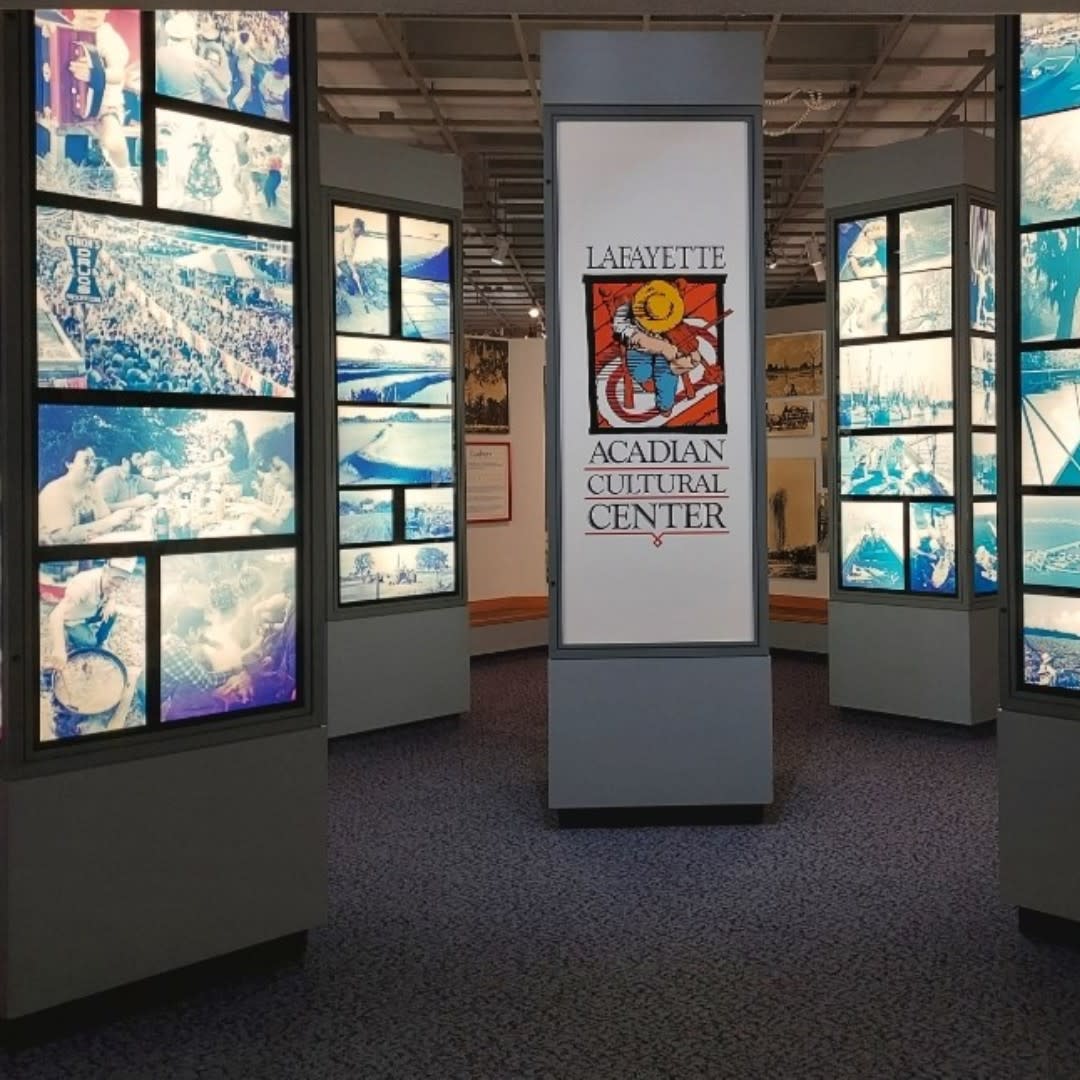
This is a carefully curated introduction to what we know as Acadiana and how its earliest residents created a way of life that blended European, Native American, African American, and Creole heritage. Acadian Cultural Center's exhibits delve into South Louisiana’s past and present, including its faith and traditions. There’s also a 35-minute film, The Cajun Way: Echoes of Acadiana, that is shown on the hour every hour starting at 9 a.m. Be sure to visit Tuesday - Friday at 2:45 p.m. for their recurring ranger talks that delve into all the themes mentioned above.
Cathedral of St. John the Evangelist
Back to Top of List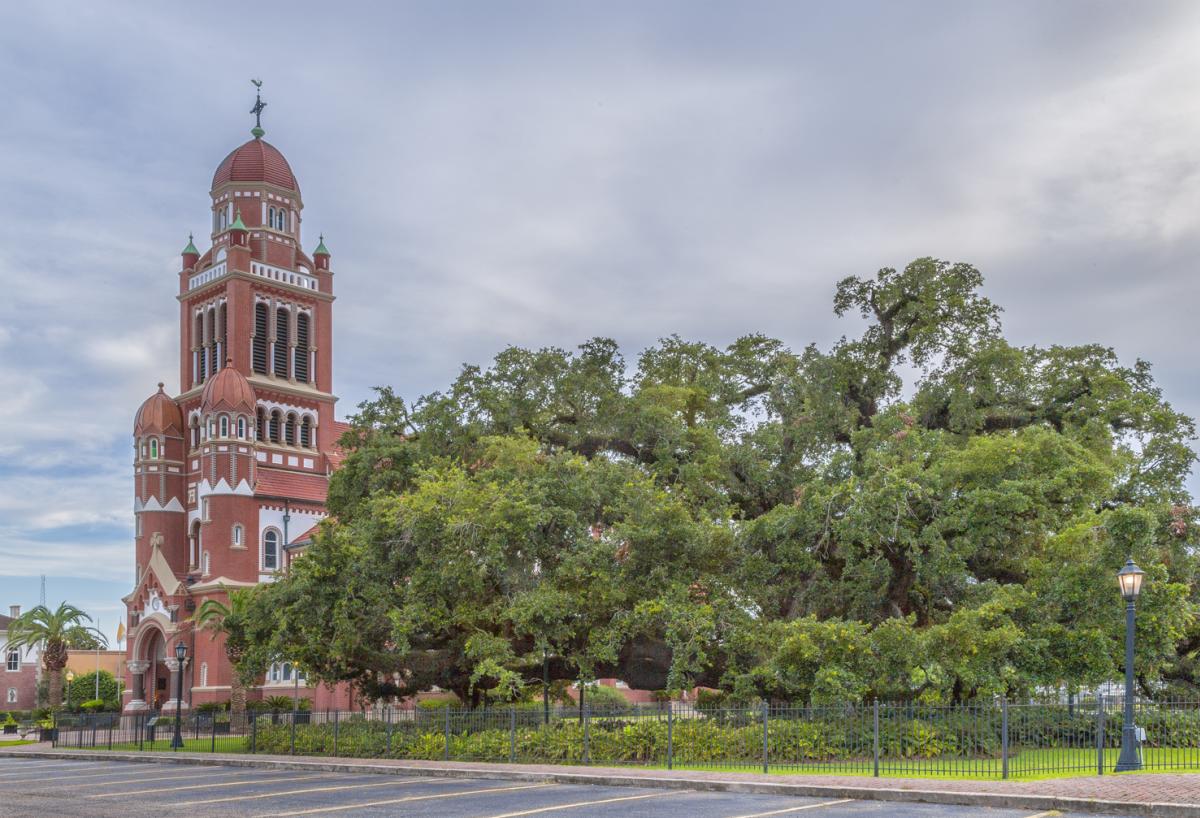
Also known as La Cathédrale St-Jean, the St. John's Cathedral in downtown Lafayette was founded in 1818. The founding church of the Catholic Diocese of Lafayette, its Romanesque Revival-inspired architecture was completed in 1918. The church’s cemetery is the oldest in Lafayette and holds the remains of prominent Lafayette families including that of Jean Mouton, a wealthy plantation owner who donated the cathedral’s land. What also came with the land is one of the largest live oak trees in the U.S. In the front corner of the cathedral’s property is the St. John Cathedral Oak, the spectacular, 500-year-old tree had spread its massive branches for a photo-worthy display. Click here to learn more about guided tours, upcoming services, and the church’s gift shop.
Charlene Richard, the “Little Cajun Saint”
Back to Top of List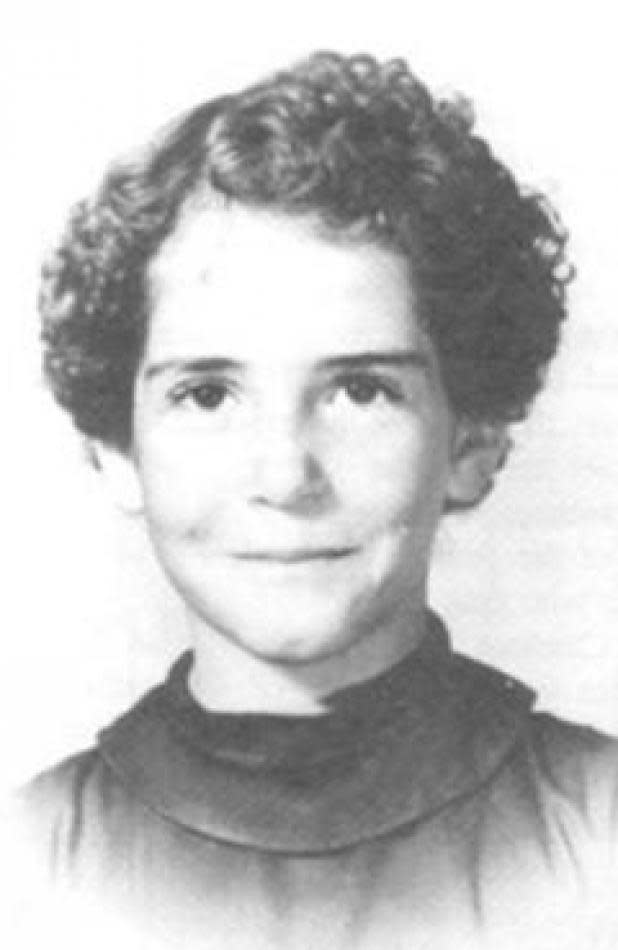
Image courtesy of CrowleyToday.com.
About 35 minutes from the heart of Lafayette is the resting place of 12-yer-old girl who is believed to have performed miracles. Charlene Richard, known as the “Little Cajun Saint," died from leukemia in rural Acadia Parish in 1959. But stories of her prayers to heal others in the weeks leading up to her death have made her an internationally renowned “folk saint”. Thousands have visited her grave in the last 59 years. Though not officially canonized, she is recognized by local clergy as the “Little Cajun Saint.” Click here to learn more about Richard’s story and legacy.
Grand Coteau
Back to Top of List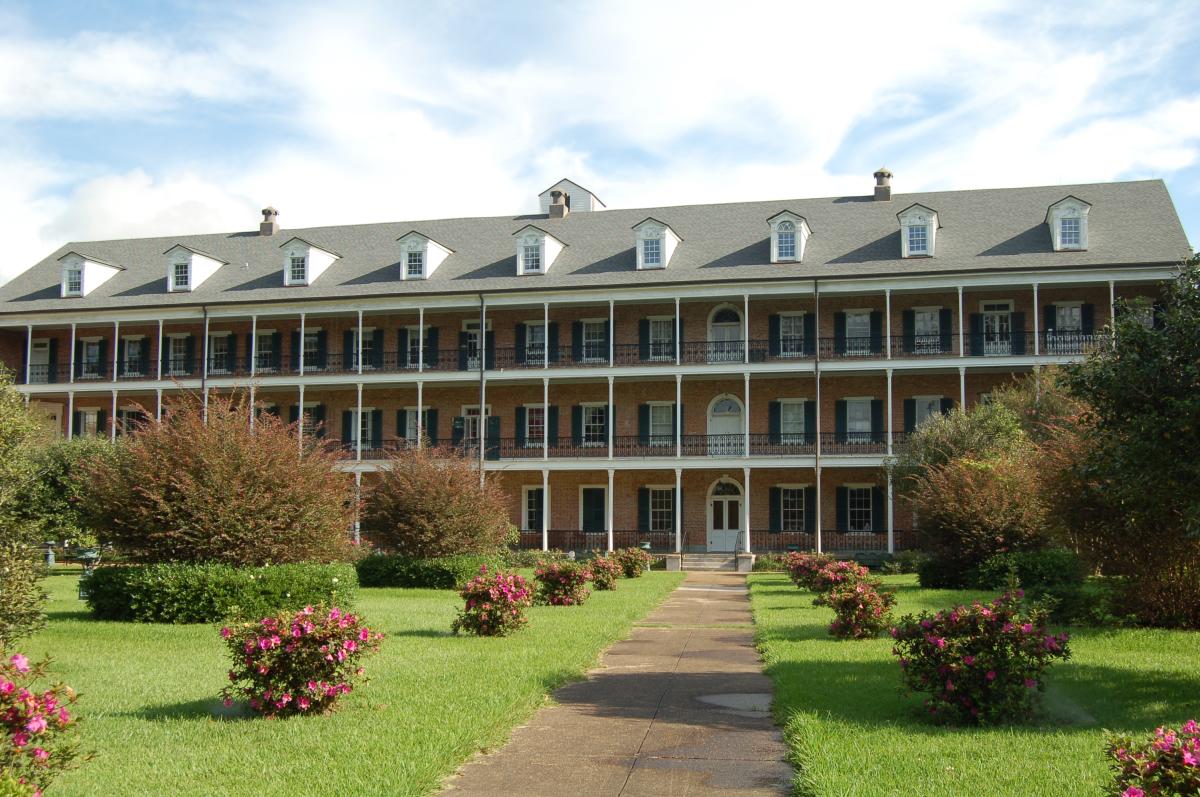
In 1821, a large plot of land in St. Landry Parish was donated by a prominent woman to two nuns who founded the Academy of the Sacred Heart. Though Union troops occupied the farming small community, the academy was spared during the Civil War and is known to be a place of a miracle dating back 150 years. Berchmans Academy, named after the saint is believed to have healed the dying woman at the girls' school, was built in 2006. Each year, visitors pass through historic Grand Coteau to visit its sacred cornerstones, which is a quaint walk from antique shops and boutiques.Click here to learn more about the town of Grand Coteau.
St. Martin de Tours, St. Martinville
Back to Top of List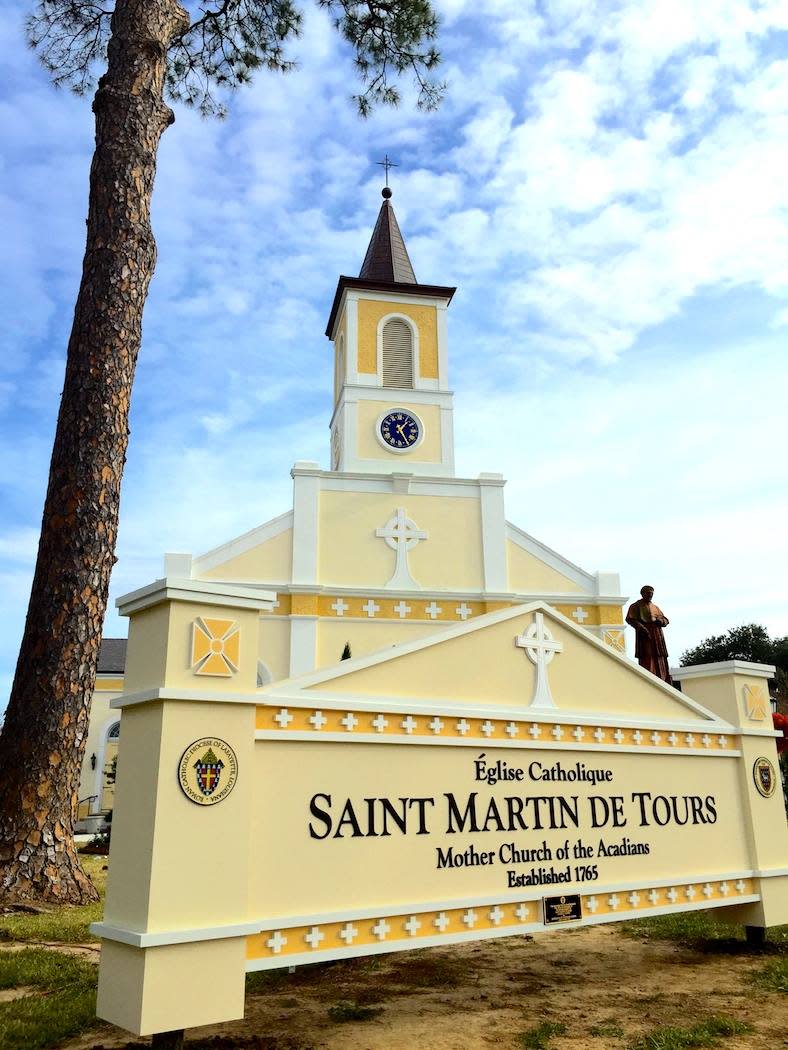
Image courtesy of Facebook.com/SaintMartindeToursCatholicChurch/.
On the banks of the Bayou Teche is one of Louisiana’s oldest Catholic churches, Saint Martin de Tours. Located in downtown St. Martinville, St. Martin was founded by the earliest Acadian settlers exiled from Nova Scotia. The church was founded in 1765 and was placed on National Register of Historic Places in 1972. St. Martinville is one of the first locations exiled Acadians arrived and settled, making this church the “Mother Church of the Acadians.” Just a short distance from the church are local restaurants the Evangeline Oak and the Museum of the Acadian Memorial.
St. Peter Roman Catholic Church, Carencro
Back to Top of List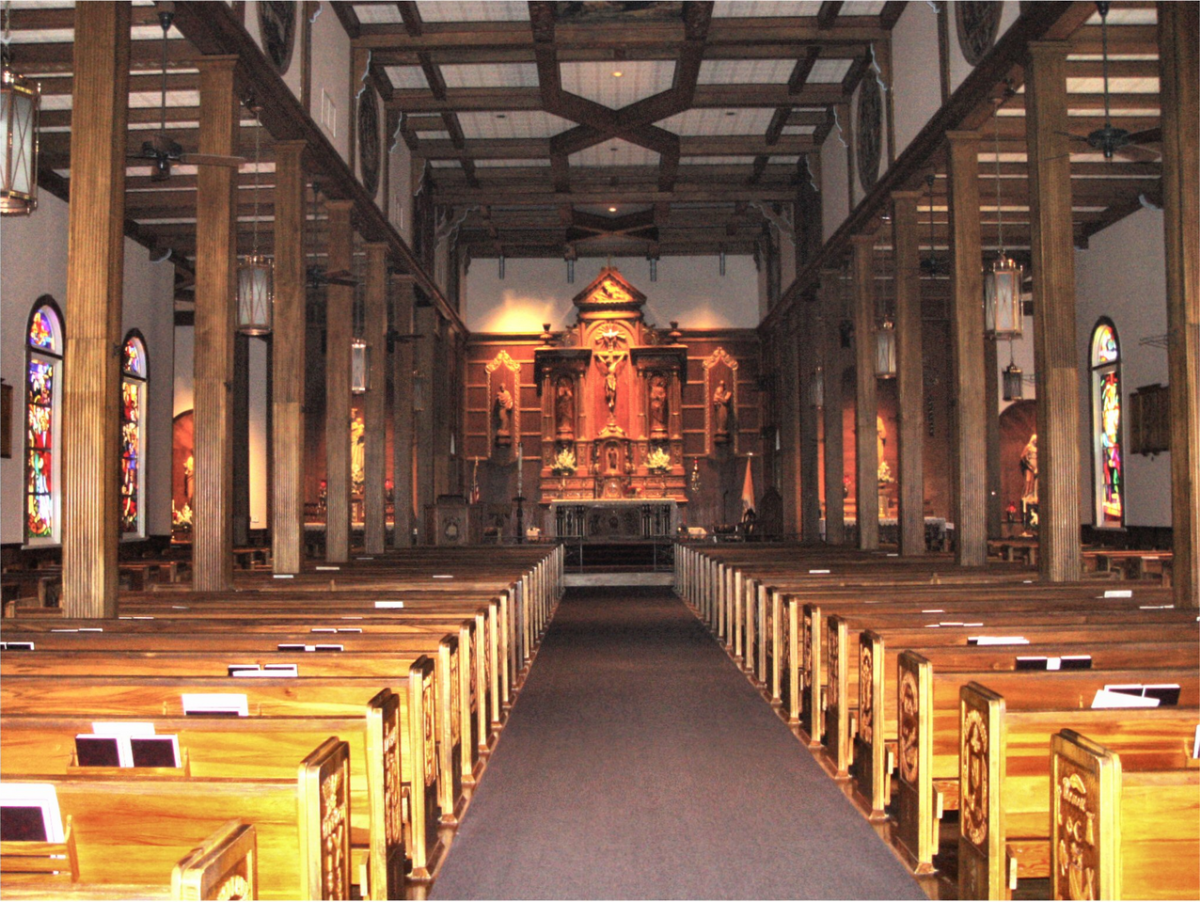
Image courtesy of NewOrleansChurches.com
Built in 1904, St. Peter Roman Catholic Church, faces out into Carencro’s main drag lined with local shops and restaurants. Pieces of the church were designed, carved and built in Europe, including the main alter. Inspired by Baroque architecture, the hand-carved alter was brought from Belgium to the U.S. to be on display in the Chicago World Exposition in 1893. Click here to learn more about the church here.
Holy Ghost Catholic Church, Opelousas
Back to Top of List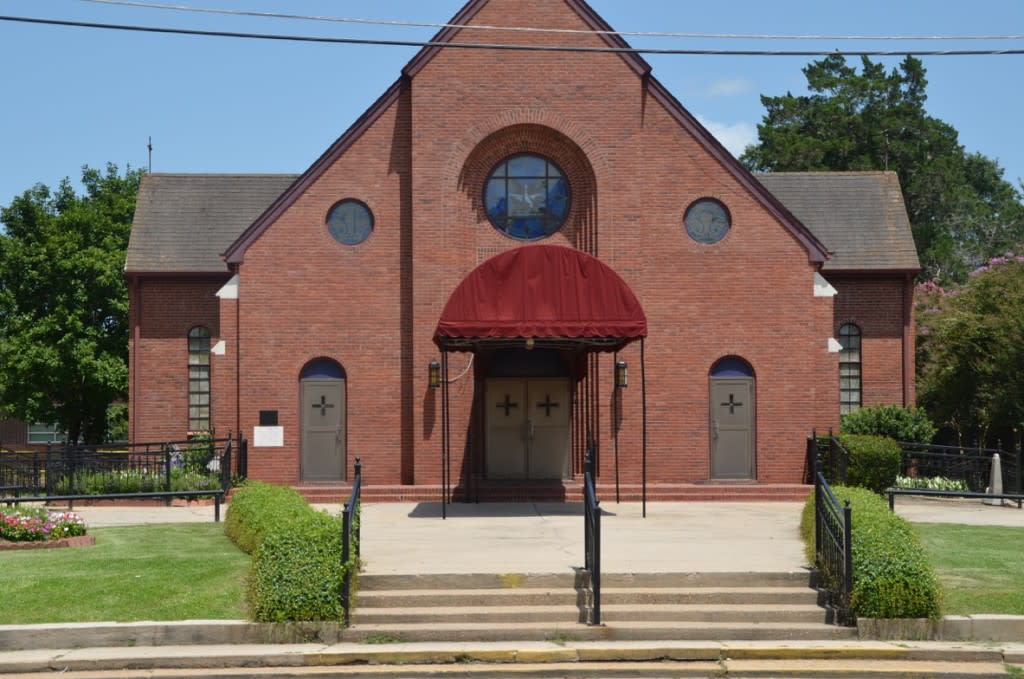
Image courtesy of CreoleGen.org.
Cradled in the birthplace of zydeco, is a place of worship that celebrates its own Creole heritage by hosting a cultural festival each fall. Built in 1920, Holy Ghost Catholic Church recently began a $3 million expansion to better serve its congregation of about 2,400 families. It is known to carry the largest Catholic congregation of African Americans in the country. The gospel choir sings on the first, third and fifth Sundays of the month during the 11 a.m. mass. Click here to learn more about upcoming services and events including the annual Creole Festival.