


- Holy Family Catholic School
- Holy Family Covenant
- Saint Paul the Apostle Catholic Church Parish
- Saint Paul the Apostle Church Bell
- Saint Paul the Apostle Parish Rectory
- Trinity Christian Methodist Episcopal Church
- Good Hope Chapel
- Maison Freetown
- Longfellow-Evangeline State Historic Site
- Rural African American Museum
- Laura's II
- Holy Ghost Catholic Church
- The African American Museum
Holy Family Catholic School
Back to Top of List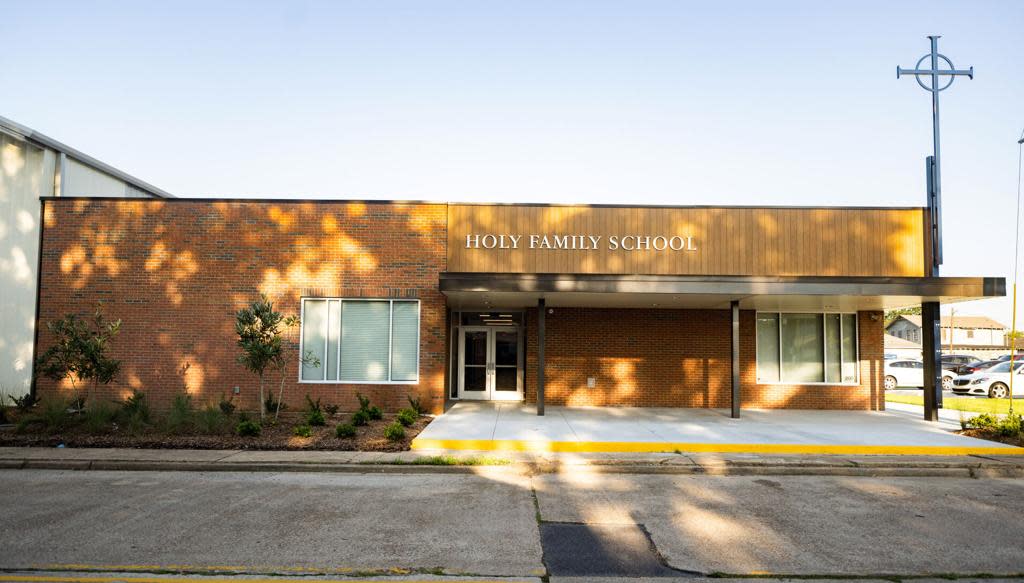
In the early 1900s, Black families in Lafayette recognized that the education available to their children offered few opportunities beyond manual labor. Determined to secure a better future, parents such as Archile and Sedonia Figaro joined with other community leaders to advocate for meaningful academic instruction. Their efforts were supported by the Sisters of the Holy Family, who helped establish one of the first Catholic schools for Black children in the city. As the community grew, church leadership responded by founding Saint Paul the Apostle Catholic Church and expanding educational facilities to meet increasing enrollment. Despite challenges such as limited funding and structural setbacks, the school continued to develop and add grade levels over time. Mid-century expansion brought a modern campus that reflected the community’s commitment to education. Following desegregation in the 1970s, the school adapted once again, continuing its mission under the name Holy Family Catholic School. Today, the legacy of these families and the Sisters of the Holy Family remains a powerful example of perseverance and dedication to educational equity. Holy Family Catholic School is located at 200 St John St, Lafayette, LA 70501.
Holy Family Covenant
Back to Top of List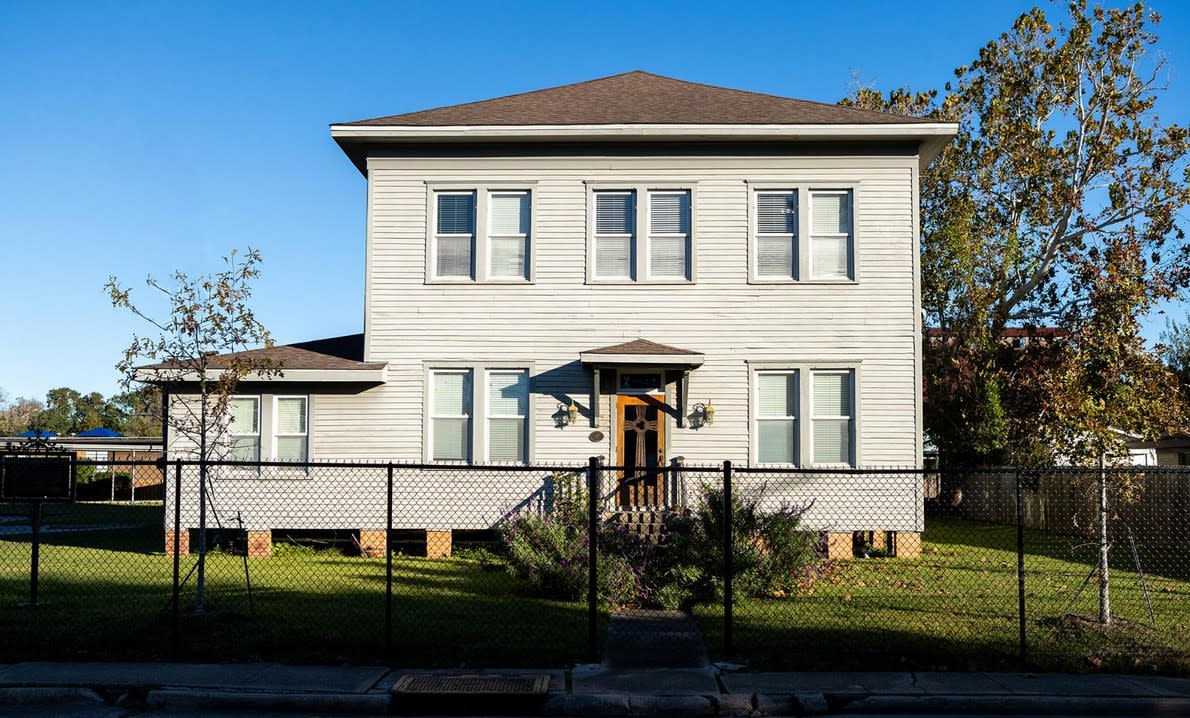
The arrival of the Sisters of the Holy Family in Lafayette in 1903 marked a turning point in education for Black Catholics in the city. Founded in New Orleans by Henriette Delille, the community was committed to providing academic instruction to African American and Indigenous students at a time when such opportunities were rare. Working alongside local families and parish leadership, the Sisters helped establish Saint Joseph School, the city’s first Catholic school for Black children. In the early years, they lived in modest and temporary housing while dedicating themselves fully to teaching and service. As Saint Paul the Apostle Parish developed, the school expanded and was later known as Saint Paul School, overcoming setbacks that included limited resources and building failures. A permanent convent was eventually constructed, reflecting the growing stability of both the school and the parish. By the mid-twentieth century, enrollment had increased significantly, prompting the relocation of older students and the construction of a larger elementary facility. Despite financial hardships, the Sisters sustained their mission through personal sacrifice and community support. Their enduring legacy is remembered for shaping generations of students through faith, compassion, and a commitment to education.
Saint Paul the Apostle Catholic Church Parish
Back to Top of List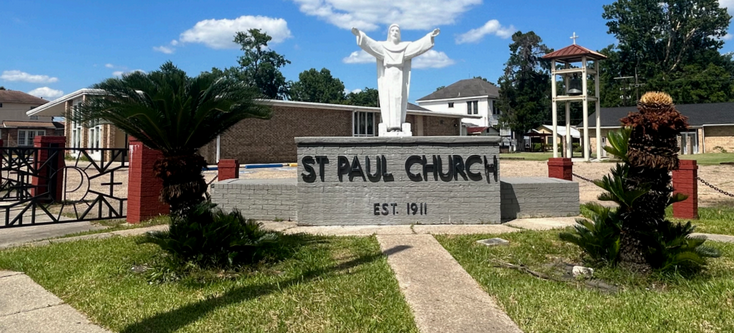
The creation of Saint Paul the Apostle Catholic Parish in 1911 marked a major step toward religious equality for African American Catholics in Lafayette. Before its founding, Black parishioners were required to worship under segregated conditions at Saint John the Evangelist Church, where their participation in church life was restricted. In response to growing dissatisfaction, Father William J. Teurlings worked with Black Catholic organizations to establish a parish where African Americans could worship and serve fully within the church. The new parish allowed congregants to take on visible roles such as ushers, altar servers, and choir members, fostering a sense of dignity and belonging. Construction of the original church reflected both the determination of Black parishioners and the support of allies who contributed resources and materials. The church quickly became a spiritual home for African American Catholics from Lafayette and surrounding communities. As the congregation grew, the building was expanded and improved, symbolizing the parish’s strength and perseverance. Later church structures preserved elements from earlier buildings, maintaining a physical connection to the parish’s history. Today, Saint Paul the Apostle Parish stands as a lasting testament to faith, resilience, and the pursuit of equity in worship and community life. Saint Paul Catholic Church is located at 326 South Washington St., Lafayette, LA, 70501.
Saint Paul the Apostle Church Bell
Back to Top of List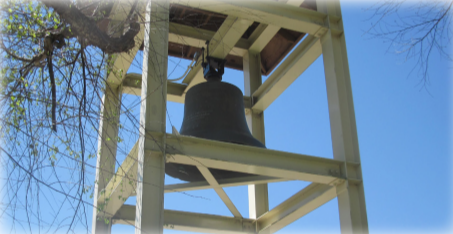
The history of the Saint Paul bell mirrors the long struggle of African American Catholics in Lafayette to be recognized as equal members of the church. Originally purchased through the financial sacrifices of Black parishioners at Saint John the Evangelist Church, the bell symbolized their commitment to a faith community that did not yet treat them equitably. Although African Americans were restricted in where they could sit and how they could participate, they continued to support the parish both spiritually and financially. When Saint Paul the Apostle Parish was established in 1911, the bell became a powerful expression of the community’s desire for a church of their own. Years later, as Saint Paul Parish expanded its facilities, the bell was transferred to the new church, where it finally belonged. Financial challenges prevented the construction of a bell tower for decades, leaving the bell displayed but silent for many years. Despite this, the bell remained a visible reminder of perseverance and faith. In the late twentieth and early twenty-first centuries, renewed efforts honored the bell’s legacy through rededication and fundraising. Today, the ringing of the bell stands as a living symbol of resilience, unity, and the hard-won right to full participation in church life. Saint Paul Catholic Church Bell is located at 326 South Washington St., Lafayette, LA, 70501.
Saint Paul the Apostle Parish Rectory
Back to Top of List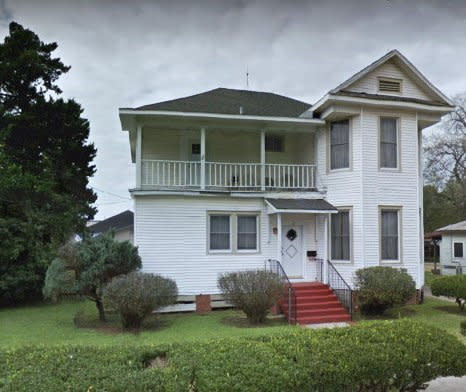
In 1914, leadership of Saint Paul the Apostle Parish was entrusted to the Holy Ghost Fathers, a religious order known for its mission to serve formerly enslaved people and economically marginalized communities. At the time, priests serving the parish lived in modest conditions near the church, reflecting the limited resources of the growing congregation. Recognizing the need to strengthen education and parish life, Bishop James Blenk sought support beyond the local community. This effort led to the involvement of Katharine Drexel, a nationally recognized philanthropist dedicated to advancing opportunities for African American and Indigenous communities. Her visit to Lafayette resulted in financial support for the construction of a permanent rectory for Saint Paul Parish. Completed in 1914, the two-story residence provided stability for parish leadership and symbolized increased investment in the parish’s future. Today, Drexel’s contribution is remembered as part of her broader legacy, later recognized when she was canonized as a saint in 2000. Saint Paul Catholic Church Rectory is located at 326 South Washington St., Lafayette, LA, 70501.
Trinity Christian Methodist Episcopal Church
Back to Top of List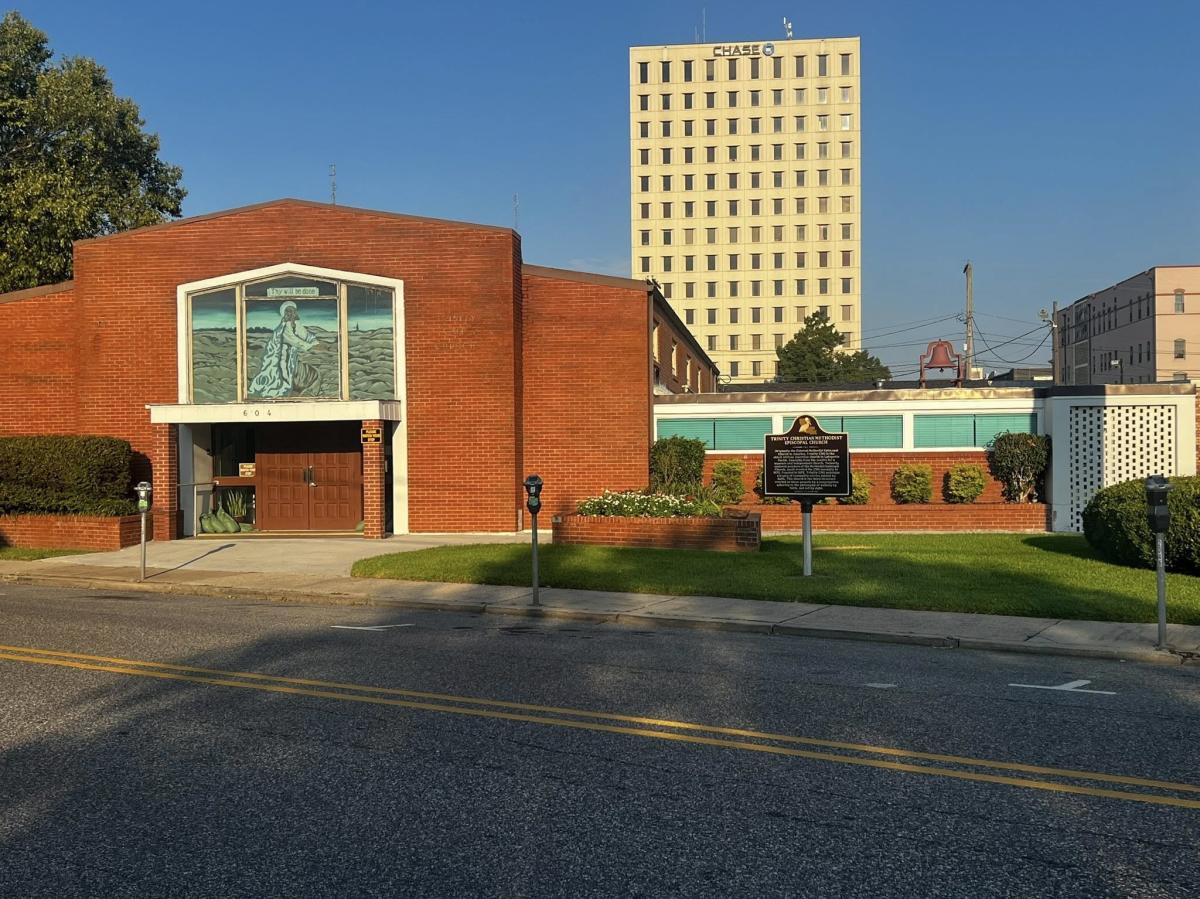
Trinity Christian Methodist Episcopal Church, founded in 1872 by former slaves of the Mouton Plantation, is the oldest African American church in Lafayette. Before the church existed, Black Protestants worshipped in tents or temporary spaces provided by the White community, including a site near Lee Avenue and East Vermillion Street. The original one-story wooden building on Polk Street served the congregation for decades, though fire and deterioration required several reconstructions. By the 1950s, the growing membership led to the construction of a new Midcentury Modern church on Lee Avenue, funded through community efforts, philanthropy, and creative fundraising events. The church became a hub for interracial fellowship, hosting youth events, performances, and conferences that welcomed people of all races during an era of segregation. Trinity CME also nurtured the arts, commissioning murals and hosting theater events, and broke new ground when a female member was appointed presiding elder in the New Orleans district. Architecturally, the 1954 building reflects Midcentury Modern design, with open interior spaces, exposed structural wood, expansive windows, and a detached steeple emphasizing verticality. The church’s design balances both geometric horizontal and vertical elements, creating a sense of openness and light. Over its more than 150-year history, Trinity CME has been a center of faith, education, and community leadership. Its legacy continues to represent resilience, cultural pride, and the pursuit of racial and economic unity in Lafayette. The Trinity Christianm Methodist Episcopal Church is located at 604 Lee Avenue, Lafayette, LA 70501.
Good Hope Chapel
Back to Top of List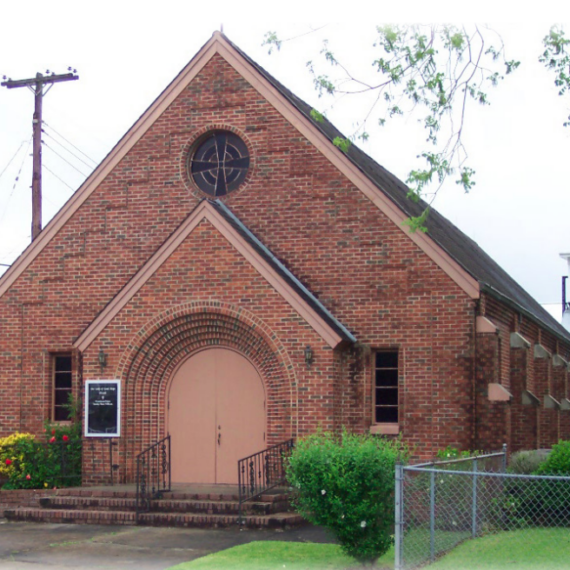
In 1949, Saint Paul the Apostle Catholic Parish built Our Lady of Good Hope Chapel to serve African American parishioners in the Freetown and Port Rico neighborhoods of Lafayette. Before the chapel’s construction, Mass for these communities was occasionally held in Good Hope Hall, a building established in 1904 by a local benevolent society to support charitable work and community gatherings. The hall also became a celebrated venue for African American jazz musicians, including Louis Armstrong and Ethel Waters, highlighting its cultural significance. The new Gothic Revival brick chapel was blessed in January 1950, with Monsignor William Teurlings, the first pastor of Saint Paul Parish, officiating the dedication. A statue of the Blessed Mother, donated by former Mayor Robert J. Mouton, was placed on the chapel grounds, symbolizing both faith and community support. Our Lady of Good Hope Chapel became an important spiritual center for local African American Catholics, providing a dedicated space for worship and parish life. Today, the chapel functions as an annex to Saint Paul the Apostle Parish, with the Divine Word Missionaries celebrating Mass and maintaining its role in the community. The chapel’s history reflects both the resilience of African American Catholics and their commitment to preserving faith and cultural heritage. Its enduring presence continues to serve as a place of worship, community gathering, and historical remembrance. Our Lady of Good Hope Chapel is located at 301 East Convent Street, Lafayette, LA 70501.
Maison Freetown
Back to Top of List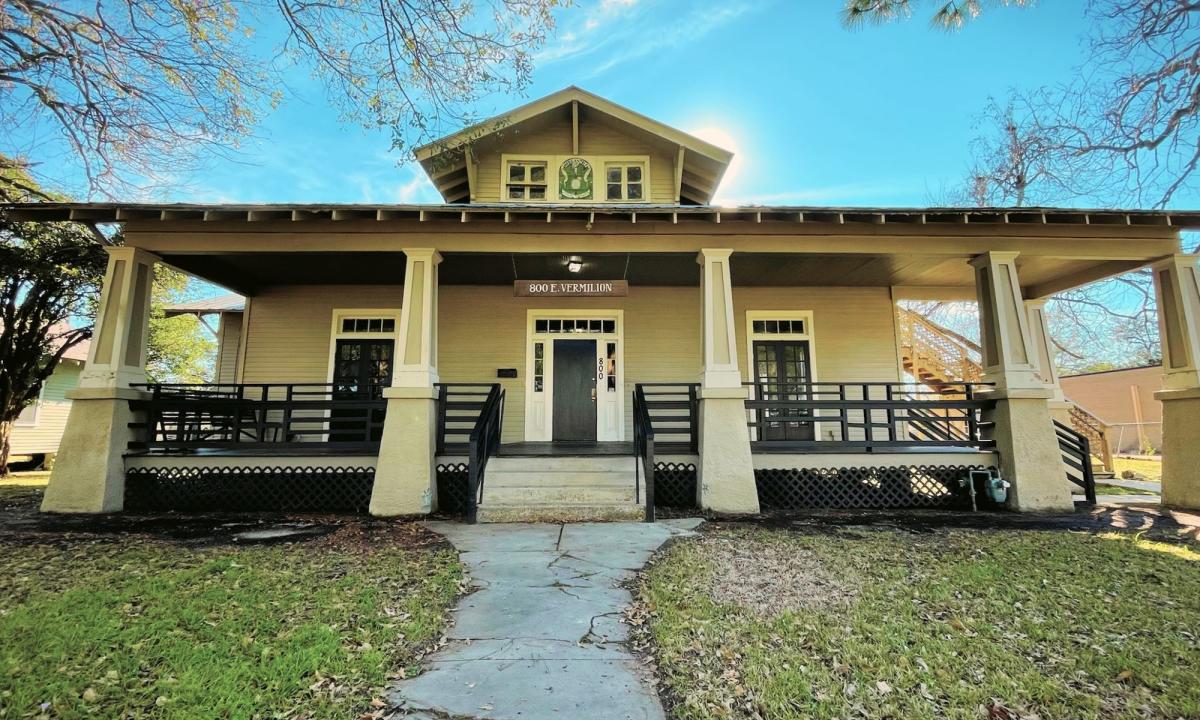
Maison Freetown is Lafayette's only African American history museum and cultural center, residing in a historic neighborhood that served as a post-emancipation safe haven for free people of color and formerly enslaved people. The center's mission is to document and preserve the often-untold stories and rich cultural legacies of this resilient Black community. It is managed by the reinstated True Friends Society, an organization that originally protected Black residents from vigilante groups and provided vital community support in the late 1800s. The museum actively collects and archives oral histories and artifacts to ensure these experiences are documented for future generations. It also celebrates African American ingenuity through exhibits like the inventions room and honors local Creole music and Black Mardi Gras traditions. Through art galleries, workshops, and community events, Maison Freetown fosters a deeper appreciation for Black contributions to local and national culture. Maison Freetown is located at 800 E Vermilion St, Lafayette, LA 70501.
Longfellow-Evangeline State Historic Site
Back to Top of List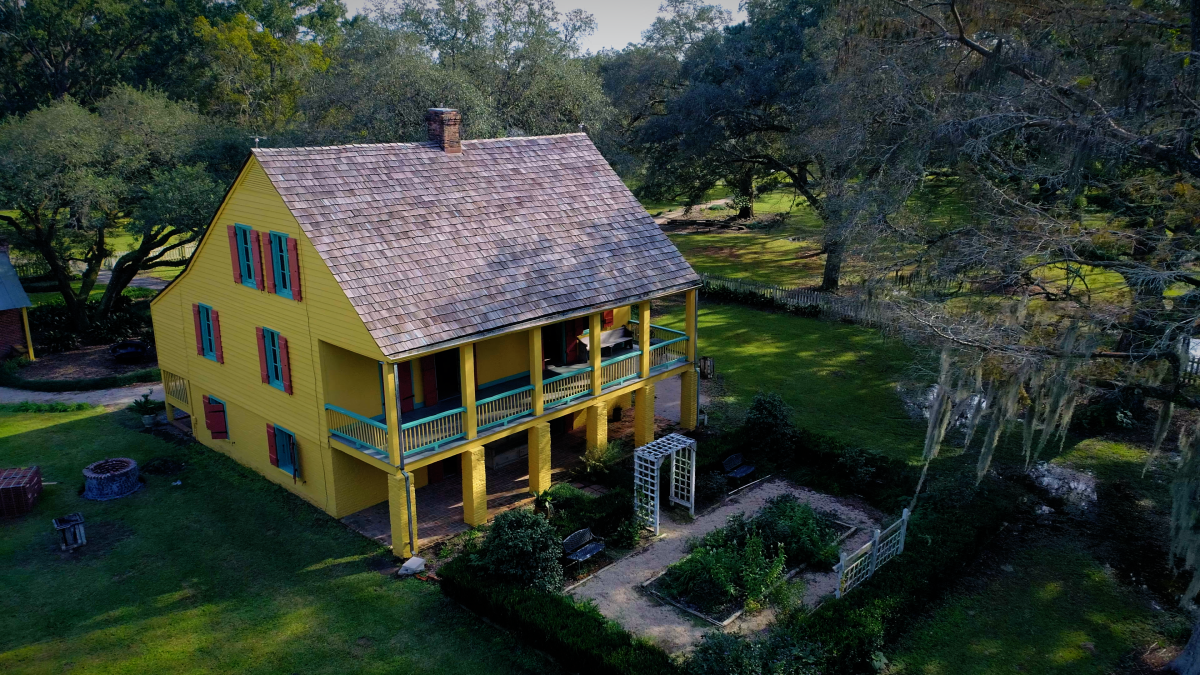
The Longfellow-Evangeline State Historic Site has great African American heritage importance because it preserves and presents the history of enslaved people and free people of color in the Bayou Teche region. The site, a former working plantation, highlights the lives of the enslaved population and their vital role in the plantation economy, which grew indigo, cotton, and sugarcane. Visitors learn about the complex cultural interplay between African, Acadian, Creole, and other communities who shaped the area's unique heritage. The site contrasts the wealthy plantation owners' lives with those of the enslaved and Acadian families through structures like the Maison Olivier and a reproduction farmstead with slave quarters. As Louisiana's oldest state park, it ensures these often-overlooked stories are recognized as an integral part of regional history. Longfellow-Evangeline State Historic Site is located at 1200 N Main St, St Martinville, LA 70582.
Rural African American Museum
Back to Top of List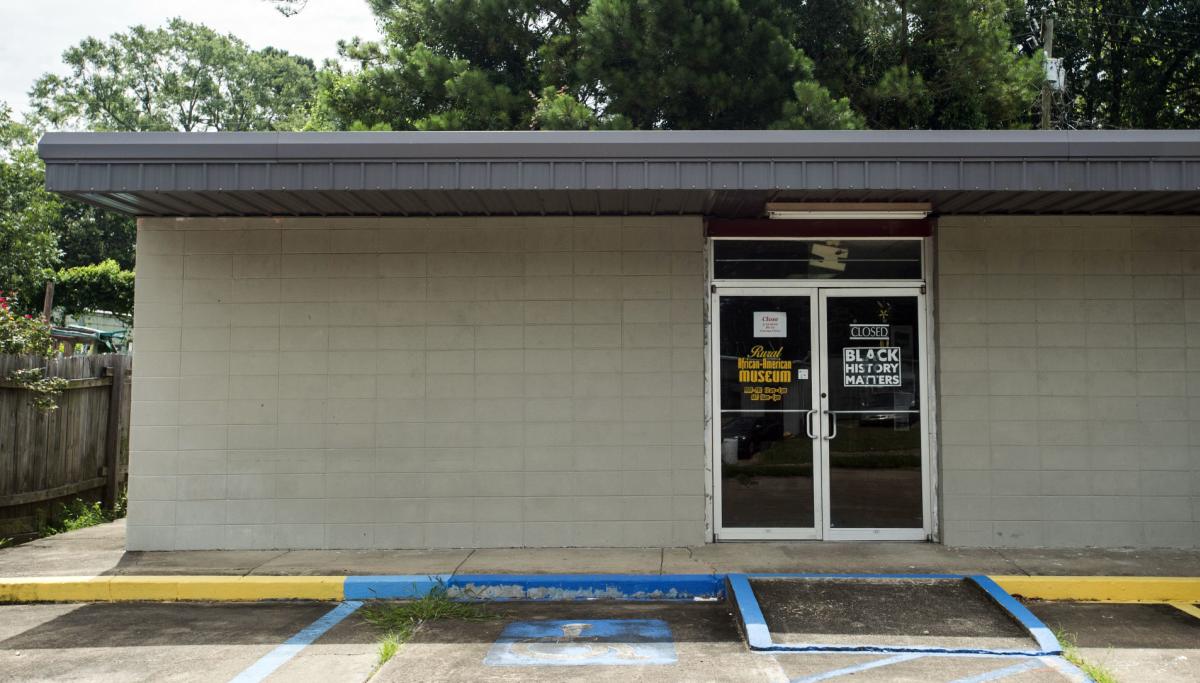
The Rural African American Museum in Opelousas holds significant importance for African American heritage by specifically preserving and documenting the unique history of Black individuals and families in rural St. Landry Parish, Louisiana. The museum features exhibits that illustrate the daily lives, struggles, and triumphs of Black sharecroppers in the late 19th and early 20th centuries through personal artifacts like antique farm equipment and furniture. It highlights an often-overlooked segment of the African American experience, from the realities of slavery to the vibrant Creole cowboy culture of today. Founded by Wilken Jones, a local retired teacher whose own great-grandfather was an escaped slave, the museum adds a deeply personal and local dimension to the broader historical narrative. The museum also serves as a vital community hub, offering educational programs and honoring local African American achievements, ensuring this specific heritage is not forgotten. The Rural African American Museum is located at 1414 N Main St, Opelousas, LA 70570.
Laura's II
Back to Top of List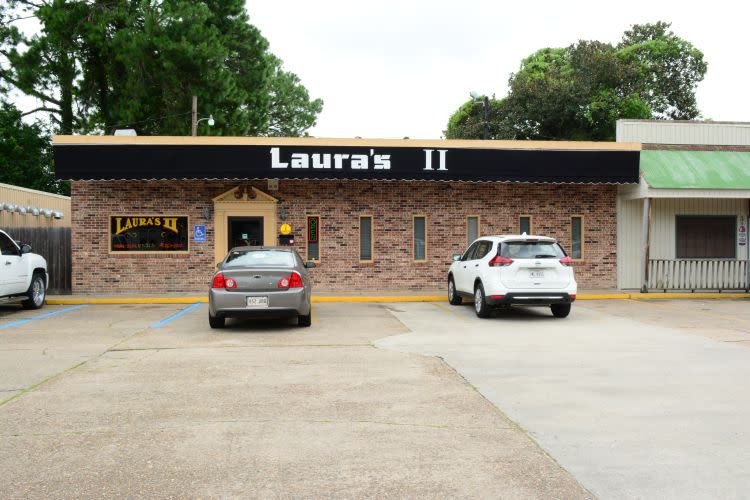
Laura’s II is a cornerstone of African American and Creole heritage in Lafayette, Louisiana, serving as a vital link to the region’s cultural and culinary history. As a third-generation business, the restaurant carries on the legacy of Laura Williams Broussard, who opened the city's first soul food eatery in her own kitchen in 1968. Current owner Madonna Broussard continues this tradition by preparing family recipes, most notably the internationally famous stuffed turkey wings and rich "sticky gravy". The establishment serves as a significant milestone for Black entrepreneurship, representing the resilience and community leadership of African American women in Lafayette. Its cultural impact gained global visibility after being featured by Anthony Bourdain on Parts Unknown, where it was celebrated as an authentic pillar of the local community. In 2025, this legacy was further solidified when Madonna Broussard was recognized as a James Beard Award semifinalist for Best Chef: South. Today, the restaurant remains a key destination on the Lafayette Plate Lunch Trail, offering a "genuine" site for experiencing Afro-Creole foodways. With a fourth generation of the Broussard family already working in the kitchen, Laura’s II continues to preserve and celebrate Black history through every meal served. Laura's II is located at 1904 W University Ave, Lafayette, LA 7050.
Holy Ghost Catholic Church
Back to Top of List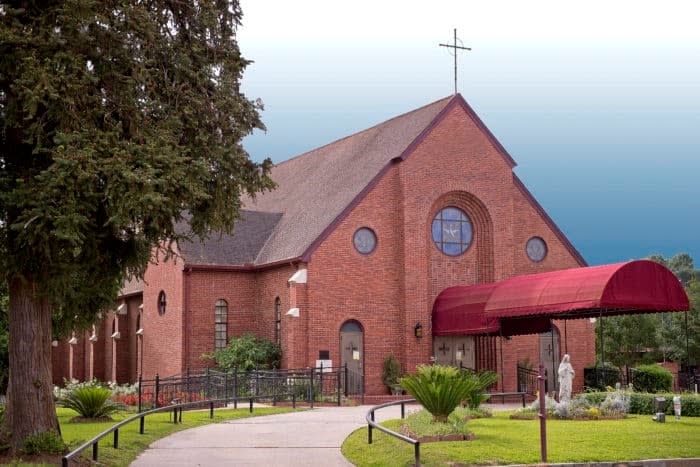
Holy Ghost Catholic Church in Opelousas, LA is a cornerstone of African American heritage as the largest historically African American Catholic parish in the United States. Founded in 1920 during the height of the Jim Crow era, it provided a necessary spiritual and social haven for the black community amidst widespread segregation. The parish established the first accredited school for children of color in Louisiana, run by the Sisters of the Holy Family, which produced many successful professionals. It continues to be a vibrant community, celebrating its rich culture through African American religious art and a lively gospel choir. The church's enduring legacy highlights the resilience and profound impact of Black Catholics in Louisiana and the nation.
The African American Museum
Back to Top of List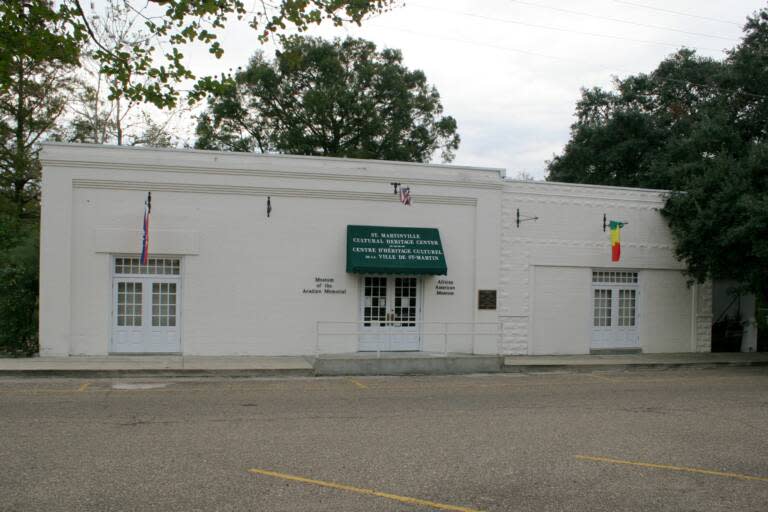
The African American Museum in Saint Martinville is essential for documenting the arrival of Africans in Southwest Louisiana and the unique development of the region's free people of color. It emphasizes the complex history of the Attakapas District, detailing the rise and fall of slavery and the subsequent economic struggles during the Reconstruction era. A primary goal of the museum is to show who Africans were before their arrival, specifically highlighting the rich culture and spirituality of West African tribes like the Wolof, Bambara, and Mandingo. By tracing local family names to historical figures, the institution bridges the gap between the past and modern-day descendants still living in the community. In 2025, the museum continues to foster cultural pride through special exhibits, such as those honoring Black Mardi Gras traditions and local trailblazers. Its location within the St. Martinville Cultural Heritage Center ensures that African American heritage is presented as an integral, non-distant part of the town’s collective identity. The African American Museum is located at 125 N New Market Street, St Martinville, LA 70582.

