Don's Seafood
Back to Top of List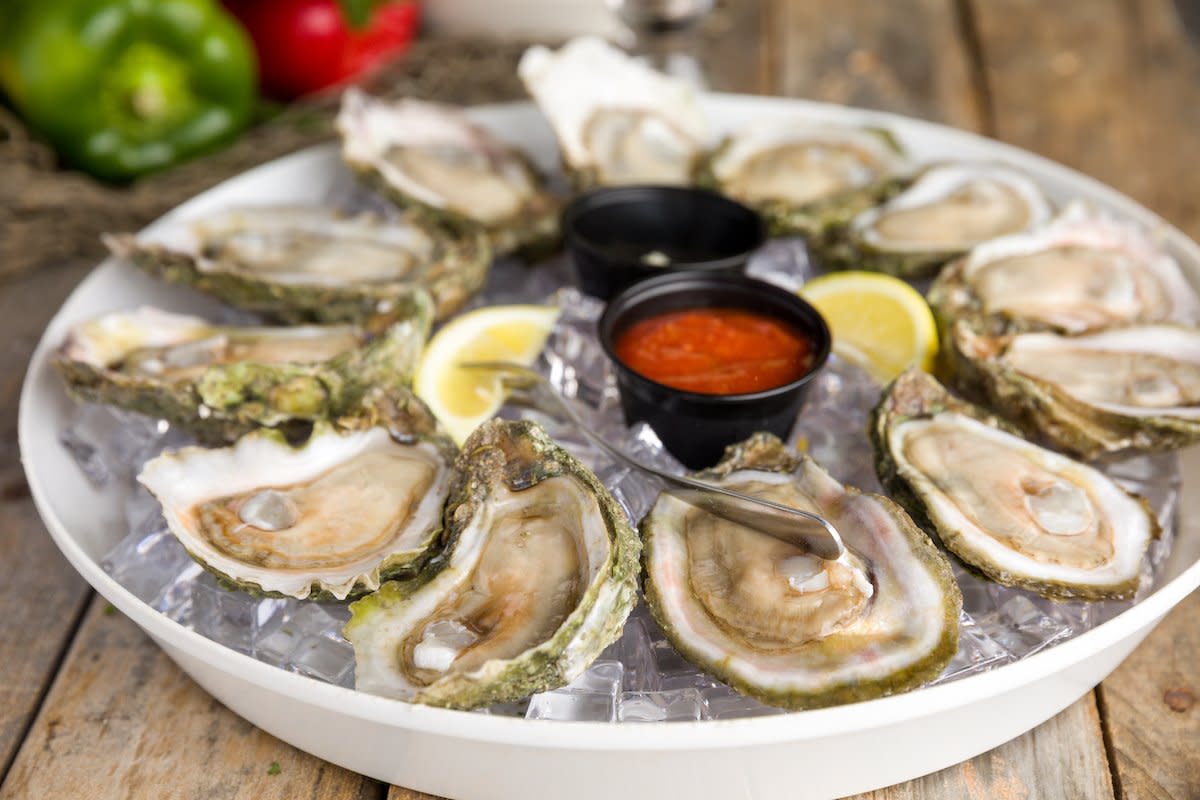
In 1934, a year after Prohibition ended, a 24-year-old named Don Landry borrowed $400 from his uncle and opened Don’s Beer Parlor in downtown Lafayette. Ninety years and four generations later, the Landry family still runs it. The Lafayette location on Johnston Street keeps an open charbroiler where you can watch the Jacked-Up Oysters come off the fire under bacon, jalapeños and pepper jack. Order the chicken and andouille gumbo or the shrimp étouffée, add boiled crawfish if the season is right, and save room for the white chocolate bread pudding. The original downtown building closed in 2020, so head to the Johnston Street location.
Mandez's Seafood Bar & Grill
Back to Top of List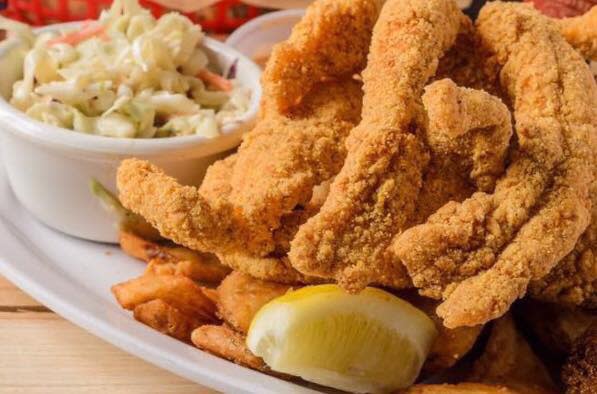
The name is a splice of the owners’ surnames, Ryan Manfre and Jeff Hernandez, who opened this Midtown spot on Doucet Road in 2017. The kitchen at Mandez’s Seafood Bar & Grill is more ambitious than the exterior suggests. The Grilled Gulf red snapper comes with crawfish pepper jack cream sauce and jumbo lump crab, and the seafood nachos are on house-made chips with crawfish tails and Mandez sauce. If you’ve never tried eggplant fries, this is the place to order them, and they have a following of their own. Speaking of fries, round out your meal with the beignet fries covered in powdered sugar.
The Cajun Table
Back to Top of List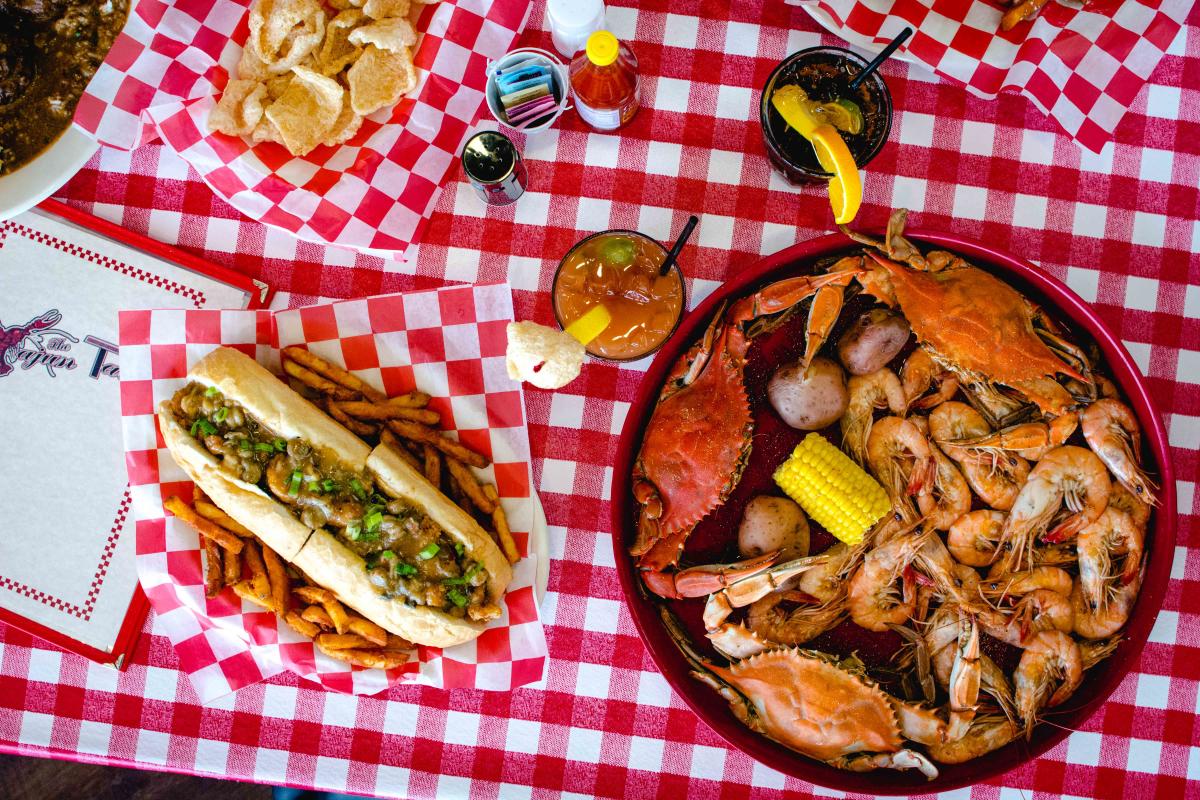
Sean Suire farms crawfish on Cow Island in Vermilion Parish. His wife, Lauren, spent years in New Orleans restaurants, and they started The Cajun Table as a food truck in 2015, later opening the restaurant on Ambassador Caffery in 2017. They decorated the room with cypress planks, hundred-year-old tin and crawfish traps from his great-grandfather’s shed, making sure zydeco music was always playing. The crawfish comes from their own ponds, which is why they are usually among the first in town to start boiling each season and why they took the Acadiana Advocate’s 2024 crawfish bracket. Boiling starts at 4 p.m. In April, they opened a drive-thru-only outpost called Boil and Go at 6974 Johnston St., closer to the ponds, for anyone who wants crawfish without the wait.
T-Coon's
Back to Top of List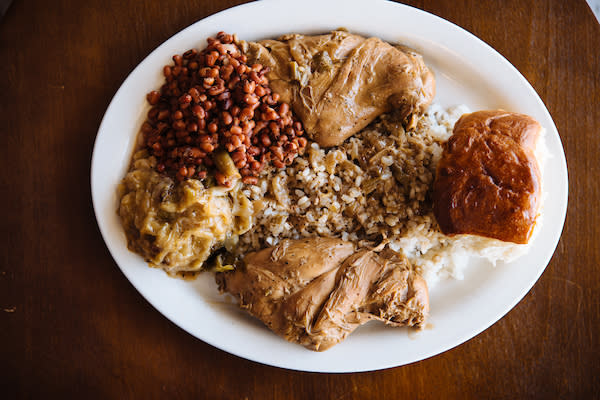
David Billeaud opened T-Coon’s in 1993 and named it for his father’s childhood nickname, earned for being mischievous as a raccoon. The T is a Cajun French diminutive. This is a plate lunch house in the truest sense, meaning a cafeteria line, a rotating daily special and gravy that took someone’s whole morning to keep an eye on. Breakfast starts at 6 a.m. at T-Coon’s and is worth the early alarm for the crawfish omelet, the house-made sausage or the sweet potato pancakes. Daily lunch specials keep things interesting but remember that everything closes at 2 p.m. If you can’t get enough of the house-made seasoning, you can even take a shaker of “The Stuff” home to add a dash of Cajun nostalgia to your eggs when you’re missing Lafayette.
Lagneaux's
Back to Top of List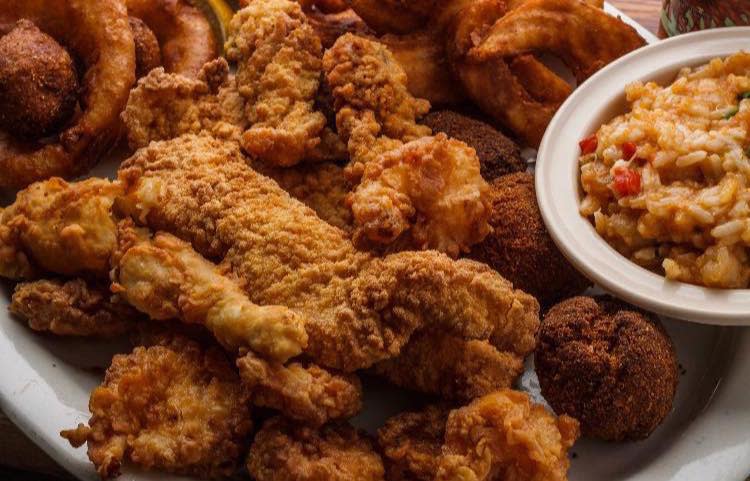
Family-owned since 1965, Lagneaux’s has spent decades earning the nickname King of Seafood on Ridge Road. People come from near and far for the seafood buffet, where boiled blue crab, fried catfish, gumbo and étouffée come out in volume, though the full menu holds up just as well if you would rather order the crawfish étouffée outright. There is also a meat market attached, which is the move if you want boudin, cracklin or smoked sausage to take with you.
Bon Temps Grill
Back to Top of List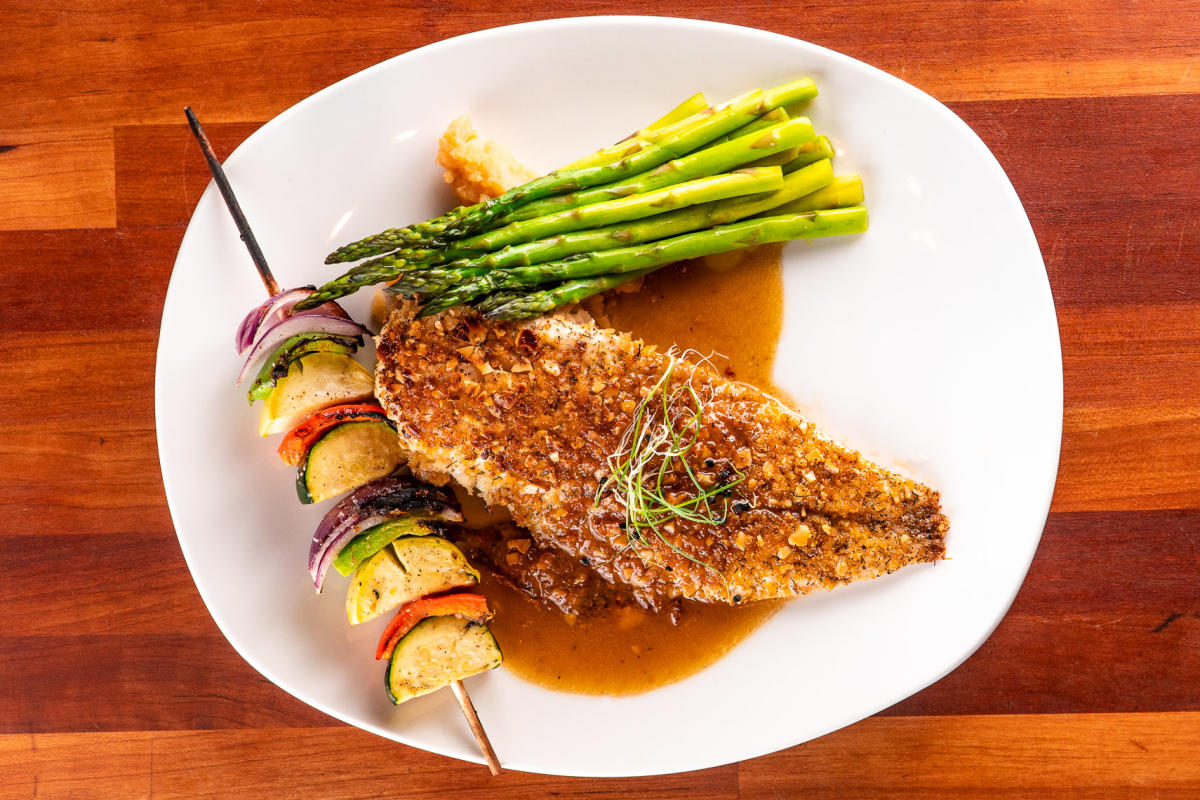
Brothers Steven and Patrick O’Bryan run Bon Temps Grill, and they cure and smoke their own boudin, sausage and tasso on a wood-fired grill. Look out for the alligator symbol on the menu to point you to local favorites like the shrimp and tasso and blackened flounder. The alligator bang bang and the crawfish enchiladas both have their loyalists as well, and the bananas Foster bread pudding was invented to settle an argument between the brothers about dessert. The weekend welcomes brunch and comes with bottomless mimosas.
Dwyer's Cafe
Back to Top of List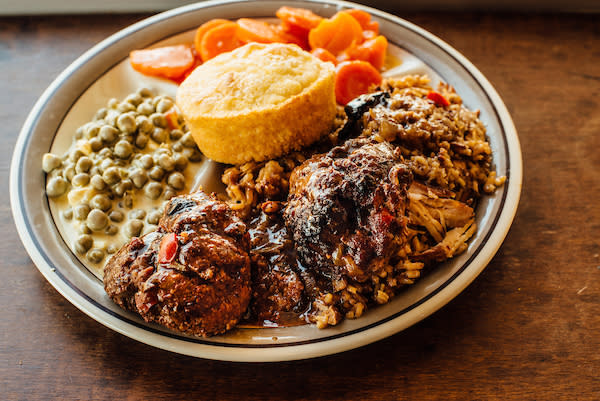
Dwyer’s has been on Jefferson Street since 1927, when it was Pop Stinson’s Cafe. Stanley Dwyer bought it in 1965; his son Mike took over in 1975, and Mike’s sons run it now. The food is plate lunch and diner-style breakfast done exactly right. That means including chicken fried steak, boudin balls, shrimp po’boys and sweet potato pancakes with cane syrup on the menu is non-negotiable. What makes Dwyer’s worth a detour is Wednesday morning, when la table française has been meeting for more than four decades so that native French speakers have somewhere to keep the language in their mouths. Sit nearby and listen.
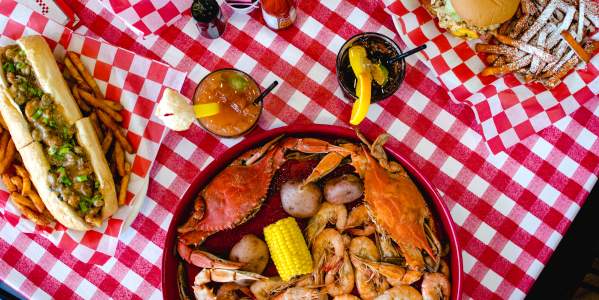
Looking for even more places to eat Cajun food in the heart of Louisiana Cajun & Creole Country? Check out all our Cajun restaurants.